To Dikgang Molebatsi, plants are like friends. He doesn’t just water them and walk away; he pays attention. This young crop scientist and farmer is transforming South African agriculture, driven by a passion for organic practices and a desire to empower others.
“I always had a different eye. With me, plants. I treat them like human beings. I know when they are happy and I know when they are sad,” he shares.
Molebatsi is a young crop scientist from the North West whose journey into agriculture was shaped by his family, passion, and a desire to change narratives in South Africa’s farming sector.
Inspired by his grandfather, who grew maize and sunflowers, and by caring for plants in his home garden, Molebatsi pursued an undergraduate and honours degree in crop science at North West University. His goal was to become both an agronomist and a farmer.
Upon graduating, he dreamed of venturing into plant breeding, specifically aiming to improve drought tolerance in maize varieties using wild relatives. However, limited resources led him to pivot toward practical farming.
Related stories
- Graduate to grower: Mashau fertilises farm dream on one hectare
- Accidental farmer finds purpose and profit in livestock
- Group 500 Africa builds stronger farms through unity
Planting roots with Mojadi Farms
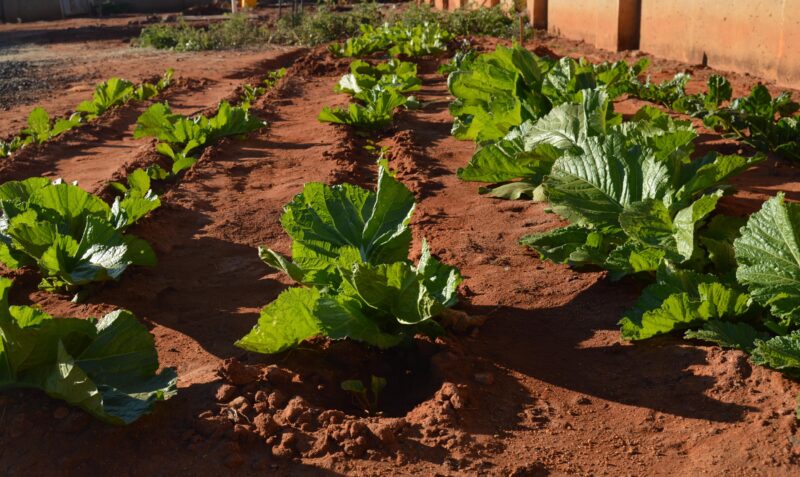
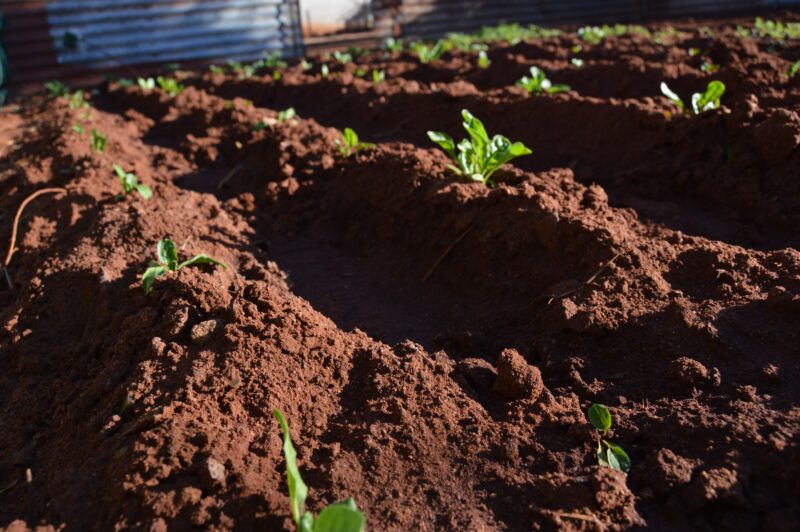
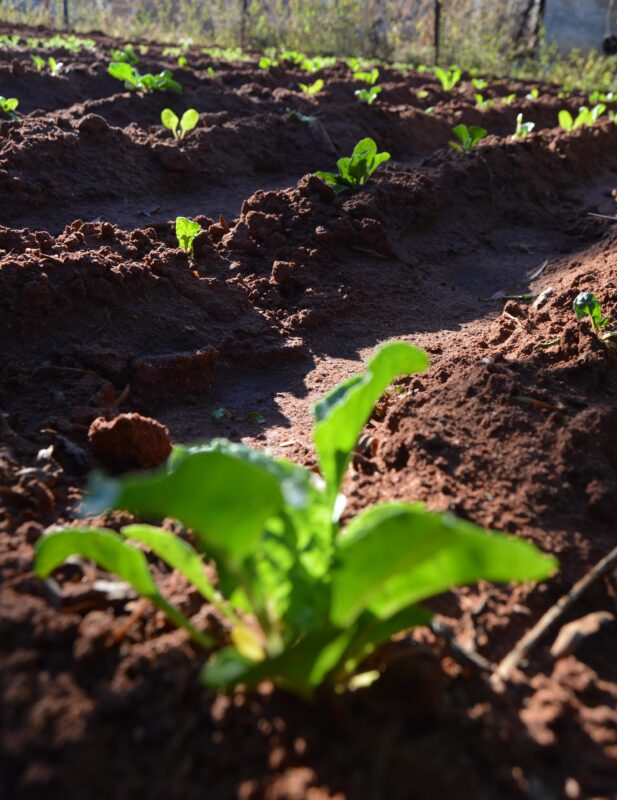
Mojadi Farm Holding is a project that began modestly on a plot the size of a typical yard in North West, where he has since begun producing spinach and carrots while preparing to erect a proper nursery.
Without waiting for perfect infrastructure, he began operations by utilising an open field, made available by his current employer. This space now serves as the temporary base for their seedling production.
Mojadi Farm Holding has also begun planting niche crops like peanuts and yucca, with plans for further expansion.
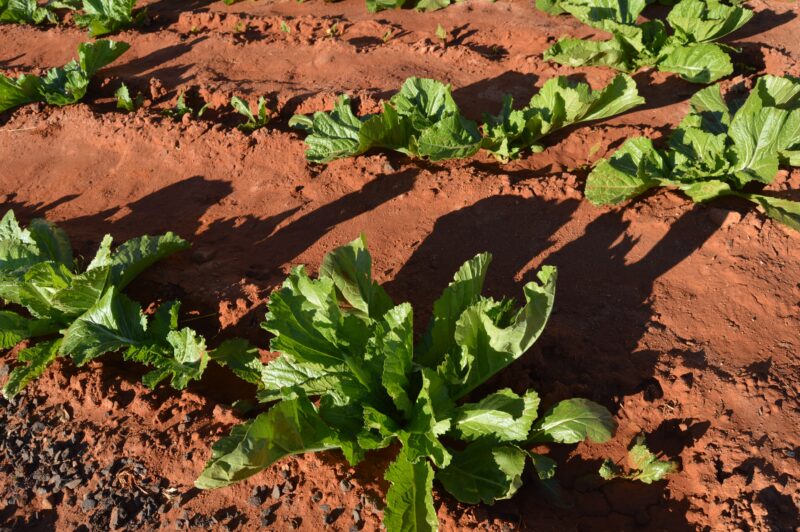
Molebatsi has planted 300 spinach plants and expects a yield of over 1 000 bunches. “With spinach, you can harvest as much as you can for about two to three months, especially if you harvest the outer mature leaves,” he explains.
The soil he’s working with is untouched, rich in organic matter, which he is determined to preserve through organic practices. “We’re capitalising on the organic matter content of the soil. So far, everything’s just going well.”
Turning his degrees into action
For Molebatsi, the path to hands-on farming was shaped not only by passion but also by the hard truths of the job market. Like many young professionals in South Africa’s agricultural sector, he discovered that academic qualifications alone are often not enough to secure meaningful employment.
While many graduates hope to enter the field as agronomists or crop advisors, they are often met with limited opportunities and, at times, disappointing placements. “Most farmers would take me to do general work. They’re not just going to take me and put me in a managing position.”
Faced with this reality, Molebatsi decided to forge his own path. His decision to start Mojadi Farm Holding was not only a response to limited job prospects but also a bold step to change perceptions. “I’m trying to change the narrative so that I’m an agronomist, but I’m also a farmer.”
Back at the farm, Molebatsi is committed to keeping his land free from synthetic fertilisers. He makes compost from maize stalks and plans to use manure and other organic inputs to maintain soil health.
“I don’t want to see any fertiliser with my eyes, they affect the biological life in the soil, killing the beneficial microorganisms. So the organic way is the best way,” he says.
Beyond sustainability, he believes in climate-smart agriculture. In the future, Mojadi Farm Holding nursery will also explore genetically improved, drought-resistant crops, not through chemical modification, but through gene incorporation to make varieties more climate resilient.
READ NEXT: Podcast: Soil scientist smitten with agriculture
A solo start, but a shared mission
Despite the scale of his vision, Molebatsi has had no external funding. “It cost me about R4 000 to start, including a water tank and sprinklers. It was self-funded,” he says.
He encourages aspiring farmers to start small and let their work attract support. “Funding will find you along the way,” he advises. “Start with something, even if it’s just a backyard garden. Funders want to see motion.”
Molebatsi points to several avenues of potential support for aspiring farmers, including institutions such as the Land Bank, the department of agriculture, and the Agricultural Research Council (ARC), all of which offer funding opportunities for agricultural ventures.
However, he emphasises that access to this kind of assistance is often dependent on whether the applicant has already demonstrated commitment and initiative. In his experience, these organisations are more likely to take a project seriously and consider it worthy of investment when they can see tangible evidence of progress, no matter how small.
Molebatsi is also mentoring two young farmers: a woman studying environmental sciences and a man in KwaZulu-Natal who has already made his first spinach sales and expanded to cabbage production.
“It humbles me more than anything. We are the Covid-19 students; we didn’t have much practical training. To know that I can help someone be productive means a lot.”
Mentorship, for him, is also part of a larger plan. He is laying the foundation for the Mojadi Farming Academy, which will offer digital learning, mentorship, learnerships, and consultation services. It’s his way of ensuring knowledge isn’t gatekept, and young farmers have access to the practical tools they need to succeed.
More than a farm
Molebatsi’s project is more than a production venture. It’s a grassroots initiative that seeks to empower the community, reshape how young people see agriculture, and promote home gardening as a food security solution.
“I don’t like the idea of having a pavement in your house but no garden. Why not spend that money growing your own food?”
Through Mojadi Farm Holding, Molebatsi is not only building a sustainable agricultural business but also challenging outdated perceptions of agronomists, encouraging more young people to pursue farming, and creating a legacy rooted in science, resilience, and community empowerment.
He encourages fellow graduates not to wait for perfect conditions but to start where they are. Whether it’s a backyard garden or a small vegetable patch, Molebatsi believes action is the best way to gain experience and attract attention from funders.
READ NEXT: Foot-and-mouth disease: What farmers need to know