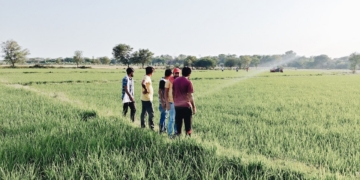
As Mzansi strides into the future, the agricultural sector stands at a pivotal juncture, poised for growth amid challenges. Paul Makube, senior agricultural economist at FNB, sheds light on the sector’s trajectory and the anticipated landscape for the upcoming year.
The echoes of 2023 reverberate through the agricultural corridors, marked by a tumultuous start. Unfavorable weather conditions and intermittent electricity supply plagued the sector, testing the resilience of farmers. “The challenges we faced in the past year were significant,” acknowledges Makube. “But adversity often sparks innovation and adaptation.”
2024 looks good for agri
Despite early setbacks, a turnaround in weather patterns salvaged the year, delivering a commendable harvest by the end of the summer crop season. “We saw nature’s restorative power in action,” says Makube. “This recovery provides a promising foundation for the year ahead.”
However, the specter of load shedding continues to loom, amplifying input costs and disrupting operations across the agricultural spectrum. Makube emphasises, “Our farmers are resilient, but sustainable solutions are imperative to mitigate the impact of energy crises on agriculture.”
Hope flickers on the horizon with a silver lining in input costs. Fertiliser prices witnessed a decline, offering a respite after previous escalations. Furthermore, a downward trend in fuel costs augurs well for producers, hinting at a potential easing of financial burdens.
Yet, challenges persist on the biosecurity front, threatening trade and exports. Diseases like foot-and-mouth disease and avian influenza necessitate concerted efforts toward efficient vaccine production and collaborative solutions.
Amidst these trials, the sector’s exports exhibited resilience, hinting at its adaptability and potential for growth. “Our agriculture exports demonstrate tenacity,” states Makube. “They serve as a testament to our capacity to navigate adversity and thrive.”
Looking ahead to 2024, cautious optimism permeates Makube’s outlook. “Favourable soil moisture levels and predictions of mild impacts from weather patterns offer a glimmer of hope,” he asserts. Global grain production and stable international prices further bolster the prospects, laying a foundation for stable domestic food inflation.
Makube concludes that the sector anticipates progress, propelled by innovation and strategic interventions. Investments in technology and logistical improvements signal a readiness to fortify supply chains and enhance efficiencies.
READ NEXT: Malawi’s maize woes escalate as nation leans towards SA
Sign up for Mzansi Today: Your daily take on the news and happenings from the agriculture value chain.