Following a disappointing implementation of the Presidential Economic Stimulus Package (Pesi) in previous years, the department of agriculture has reworked the initiative and the third phase has been implemented.
According to the department of agriculture, the launch of phase 3 aims to build on this success by empowering communities, boosting agricultural productivity, and fostering sustainable economic growth, particularly in rural areas.
“The Pesi focuses on supporting subsistence projects and vulnerable households through packages for large stock, small stock, poultry, and piggery. Following the launch, these households and farmers will begin receiving their packages to enhance agricultural production,” the department said in a statement.
Speaking at the launch in North West recently, deputy minister Nokuzola Capa encouraged communities to continue farming and producing food. She also applauded the North West province for its commitment to including youth and women in agriculture.
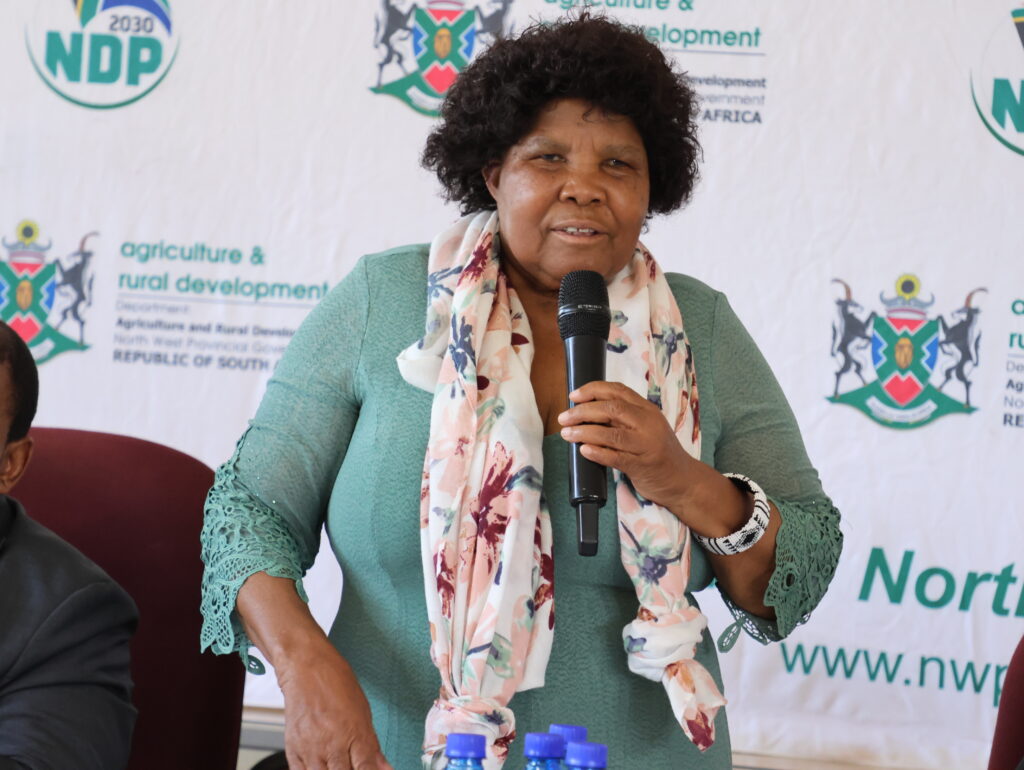
“I encourage the youth of Makgobistad and the province at large to participate in making this presidential initiative a success,” she said.
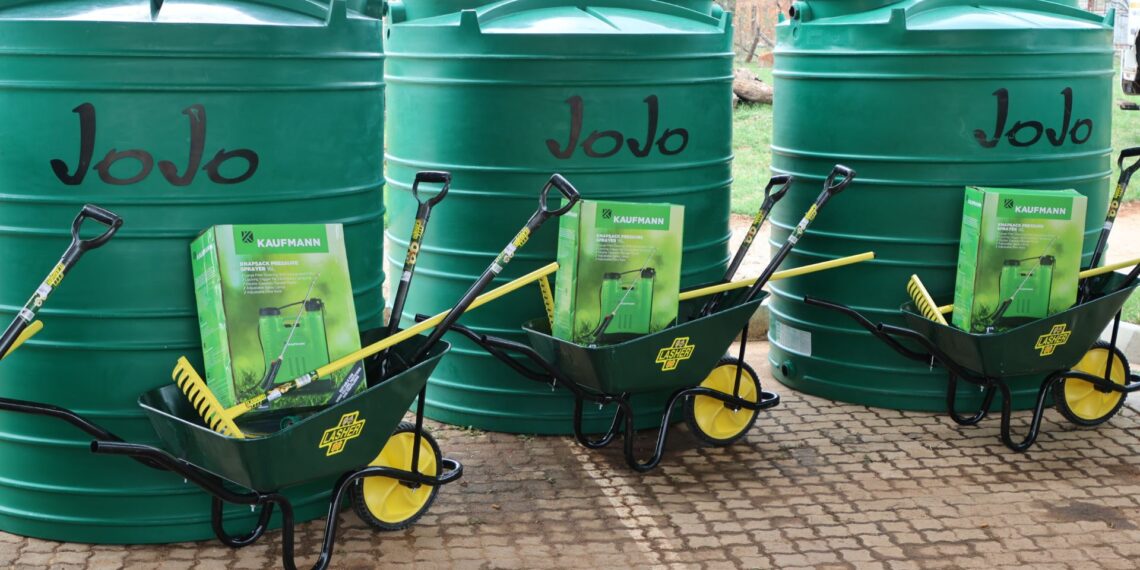
Several households from Ratlou Local Municipality received garden tools to enhance food production, while others received livestock feed.
Related stories
- Training and collaboration crucial for programmes like Pesi
- Farmers left in limbo as Pesi voucher programme comes to an end
- All eyes on govt to improve Pesi voucher rollout
One of the beneficiaries, Kgosimoruti Erick Hassen, said he was happy with the assistance he received from the government.
“I am extremely happy and appreciate what the government has done for me. This support will help as my animals have been struggling due to the drought and late rains,” Hassen said.
Another beneficiary, Goitseone Lekgotla, received garden tools to support her vision of becoming a quality vegetable producer.
Thamsanqa Rabasotho, a young farmer from Mahikeng, received livestock as a start-up kit. Rabasotho called upon farmers to utilise the support they get from the government to scale up their operations.

“I am grateful for the opportunity to be part of the graduate programme, where I learned most of the skills I use today,” he said.
Meanwhile, the government said farmers and communities actively involved in agriculture must visit their nearest agricultural offices to explore the various support initiatives provided by the department.
READ NEXT: Farm extension services key to inclusive agricultural success
Sign up for Mzansi Today: Your daily take on the news and happenings from the agriculture value chain