The world is in a crisis when it comes to its global bee population and agricultural role players are on a mission to save the global bee population with some creative initiatives. However, experts warn that we might be doing more harm than good.
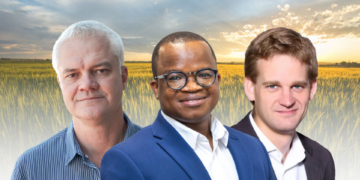
This week, Thabile Nkunjana, agricultural economist at the National Agricultural Marketing Council (NAMC) joins Farmer’s Inside Track to explain this further.
Nkunjana points out that when it comes to food production globally, it is vital to save the bees.
“Bees are essential for pollination of most crops, meaning they are needed for food production globally.
“It is a very important factor to have bee populations globally and to have it across countries because it is important for economic activities. It is also important for a healthy ecosystem,” he says.
While global bee population numbers might be dwindling due to various viruses, Nkunjana explains that farmers are looking at creative ways to reverse this.
“As much as we are trying to do that, of course there are going to be other effects that are not intended in terms of the measures being taken, to make sure that there are enough bees to keep our ecosystems functioning globally.”
Furthermore, because of the rapid population growth globally, there might be unintended hindrances in achieving the desired outcome, Nkunjana adds.
Science, he believes, will play an important role to ensure that we are not losing a lot of bees.
“However, it is more complex than that. The research world will have to explore a lot of other means to make sure we are not causing more harm to the whole system.
“It is going to be important that we explore all other possible solutions in terms of making sure that we are not doing more harm than we are trying to help,” Nkunjana says.
Further in the podcast, Nkunjana unpacks:
- A suggested approach in terms of saving the global bee populations; and
- What bee farmers and others in the value chain can do.
Want to know more? Listen to the full episode of Farmer’s Inside Track
Option 1: Click here to listen on Spotify (all mobile and other devices).
Option 2: Click here to listen on any Apple device.
Option 3: Click here to listen on Google Podcasts.
ALSO READ: Podcast: Raisin industry opportunities for new farmers