Tuesday, June 9, 2026
SUBSCRIBE
22 GLOBAL MEDIA AWARDS
Food For Mzansi
  • News
  • Changemakers
  • Lifestyle
  • Farmer’s Inside Track
  • Food for Thought
No Result
View All Result
  • News
  • Changemakers
  • Lifestyle
  • Farmer’s Inside Track
  • Food for Thought
No Result
View All Result
Food For Mzansi
No Result
View All Result
in Inspiration

Poultry and potatoes power Fort Hare graduate’s farming vision

With no job opportunities after graduating, Phikolomzi Kato chose a different path – starting with just 15 chickens at home in the Eastern Cape. Today, he is growing Ngubengcuka Agritech, combining academic knowledge with practical experience to build a sustainable and market-driven farming enterprise

by Vateka Halile
10th April 2026
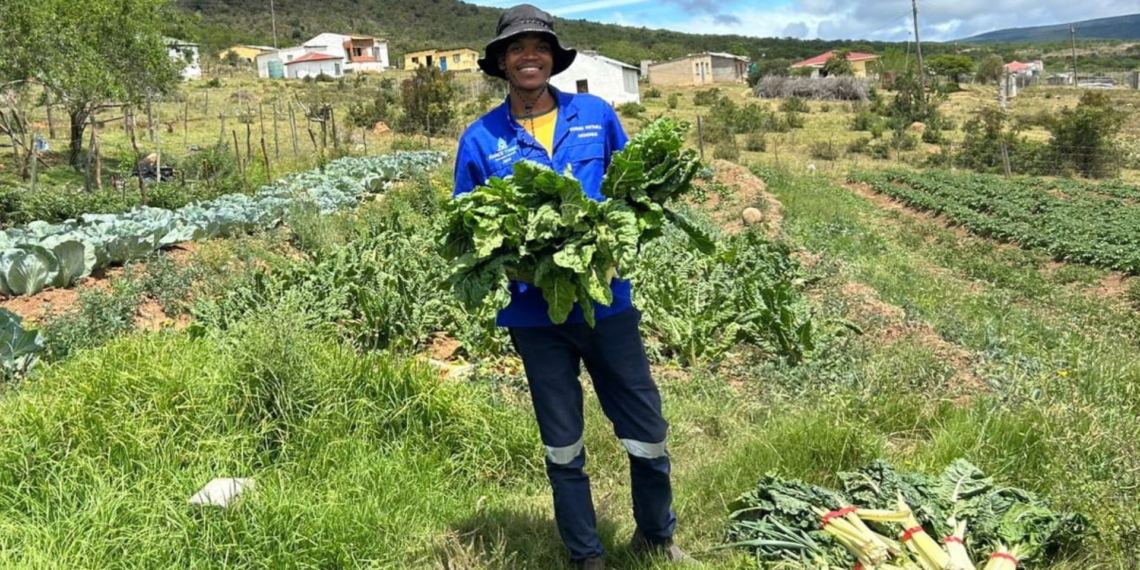
Phikolomzi Kato chose farming as a starting point after facing unemployment post-graduation, opting for a business that did not require significant capital. Photo: Supplied/Food For Mzansi

Phikolomzi Kato chose farming as a starting point after facing unemployment post-graduation, opting for a business that did not require significant capital. Photo: Supplied/Food For Mzansi

Share on FacebookShare on TwitterShare on WhatsApp

Phikolomzi Kato is among many graduates who struggled to find employment after completing their studies. Drawing on a strong family background in farming, he chose a path that required little start-up capital. 

He began in 2024 with just 15 chickens and the land available at home, As his confidence grew, he expanded into crop production and eventually established Ngubengcuka Agritech in Qoboqobo, Eastern Cape.

Now farming on half a hectare of his father’s land, he is slowly building his enterprise. 

Small start, big vision 

Kato holds an honours degree in agricultural economics from the University of Fort Hare, where he graduated in 2022. He returned home while applying for jobs, but nothing came through. 

The frustration, along with the cost of living, pushed him to think differently and turn to farming. “At home, we had about 15 chickens, which later grew to more than 100 chicks. I started selling them to buy seeds,” he says.

“I began by making seedbeds and sowing my own seedlings, including cabbage, tomato and spinach. That was my starting point.”

Kato adds that he later began breeding the smaller chickens, eventually introducing larger breeds. 

What works for him, he says, is combining traditional methods with simple homemade techniques, such as using ikalika to chase pests, though he admits it is not as effective as commercial chemicals.
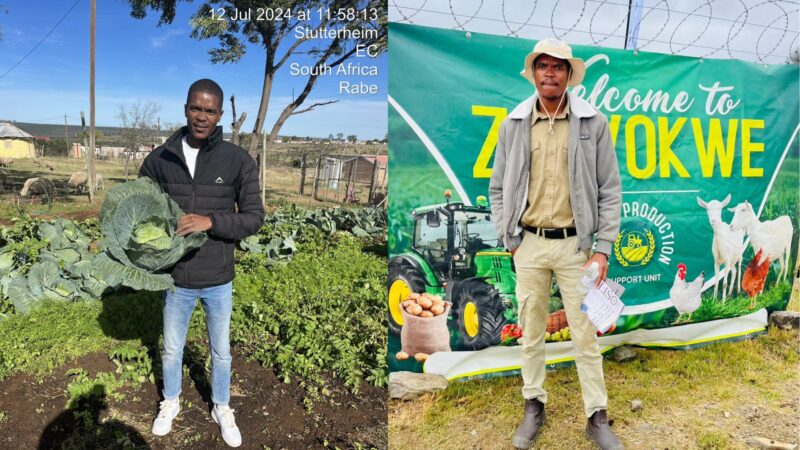
For Phikolomzi Kato, traditional methods remain an effective and accessible way to maintain produce quality and manage insect pests. Photos: Supplied/Food For Mzansi

“I also got a Hampshire cock to improve the quality of my chicks, based on what people prefer and what is easy to market,” he explains. Many people in his area prefer indigenous or improved breeds over standard commercial chickens, which pushed him to improve his flock.

Overall, he says he combines what he learned in class with the knowledge he grew up with at home. 


Related stories
  • Animal health graduates strengthen defences as FMD risk grows
  • Jobless EC graduates strike gold with peanut butter co-op
  • Lulutho’s leap: From three little pigs to thriving fields

Turning knowledge into growth

Kato tells Food For Mzansi that one of the key lessons from university is that agricultural economics is a critical part of agriculture, as it focuses on the market side and helps determine trends. He explains that it links the economy with food production, ensuring that what is produced meets consumer needs fairly.

“I can say agricultural economics is the bridge between agriculture and agribusiness.”

Despite his progress, Kato says water scarcity remains his biggest challenge. “I usually collect water from the river using my father’s horse, and I also use the horse for land preparation,” he says.
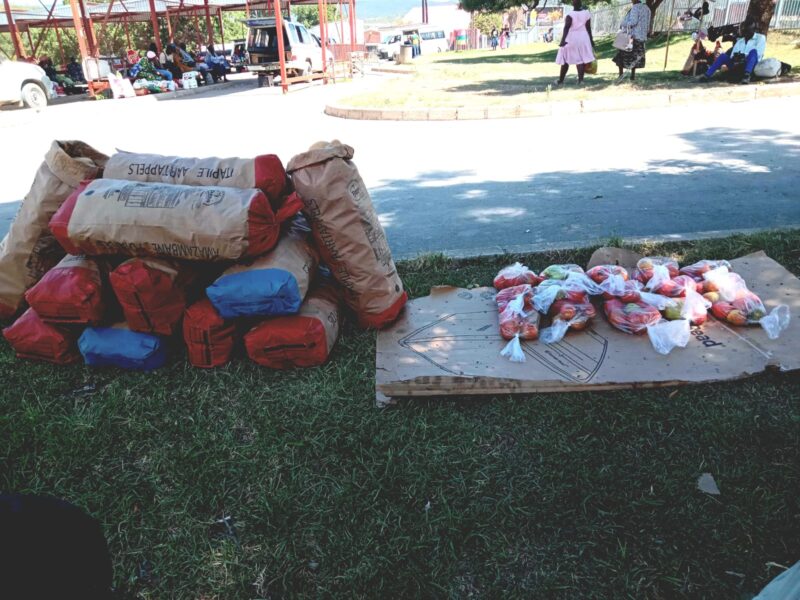
Phikolomzi Kato has built a steady client base among hawkers in his hometown. Photo: Supplied/Food For Mzansi

Because he is aiming high, Kato admits he is not yet where he wants Ngubengcuka Agritech to be. The lack of a stable water source continues to slow down the business.

He adds, “Even this year, I’m still trying to grow. I’m planning to expand onto a two-hectare piece of land I recently leased, but I need proper fencing first. I will also be producing more potatoes.”

Farming with strategy and vision

Looking back at his journey, Kato says his studies are the powerhouse behind his potential in farming, as he continues to apply the practical experience gained during those years.

“I gained personal experience that I now use to support myself. For me, farming is not just about doing; I plan everything,” he says.

“I know what can help me solve specific problems, whether it is pesticides or fungicides. All that information came from my studies, so when it comes to knowledge, farming is not a challenge for me.”

He notes that he has built an informal market within his community and occasionally supplies hawkers in town, while working towards entering formal and commercial markets. 

Most of the work in his business is labour-intensive, he explains, from fetching water with horses to managing daily operations. 
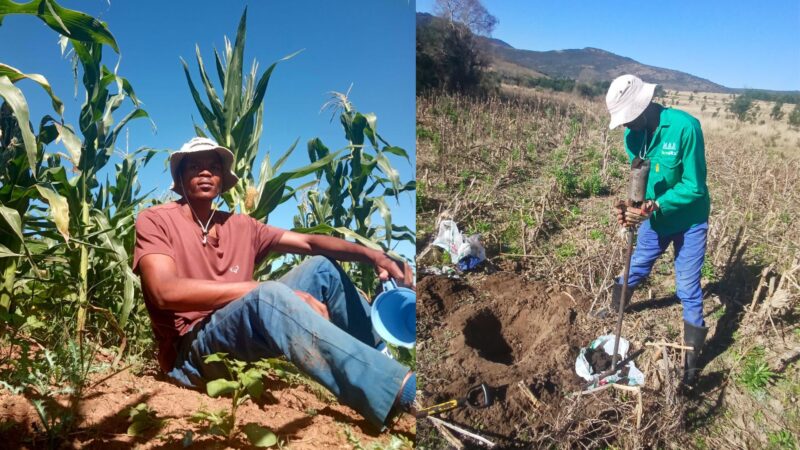
Phikolomzi Kato also offers free soil sampling services to his community, helping farmers better understand their soil and improve their production. Photos: Supplied/Food For Mzansi

“From now on, I’m planning to focus on producing potatoes on a large scale. With a good irrigation system or water tanks, and a bigger piece of land, I can achieve that.” 

Part of his vision is to position his company among the leading potato producers in the Eastern Cape.

He adds that he currently practises intensive farming, using fertilisers and pesticides to maximise yields while working on limited land. “Sustainable farming focuses on methods that optimise yields while protecting the soil, such as organic practices,” he explains. 

With sustainability in mind, Kato is working hard and someday soon, his vision will pay off.

READ NEXT: Bolu Farming: A partnership grounded in shared agricultural values

Sign-up for the latest agricultural news delivered straight to your inbox every day with Mzansi Today!

Vateka Halile

Vateka Halile grew up in rural areas of Cofimvaba in the Eastern Cape. She was raised in a traditional family setting and found writing to be a source of comfort and escape. Vateka participated in an online citizen journalism course through Food For Mzansi, and her passion for health and medicine-related stories was born. Her dedication to community work and love for social justice and solidarity spaces is evident in her quality time with the community when she isn't working.

Tags: Agricultural EconomicsEastern CapeInspire meMixed farming
Competition Commission launches probe into SA’s poultry market
News

State delays choke SA’s multi-billion rand poultry export potential

by Lisakanya Venna
5th June 2026

With local demand stagnating, South African poultry producers are ready to target global markets with 120 000 tonnes of new...

Read moreDetails
How to choose the right farm insurance to protect your business

Farm insurance no longer optional as climate shocks intensify

5th June 2026
Hopa brings hope and market access to EC grassroots farmers

Hopa brings hope and market access to EC grassroots farmers

4th June 2026
Climate-smart genetics: How to choose the right cattle breed

Climate-smart genetics: How to choose the right cattle breed

4th June 2026
Fruits and nuts drive SA’s record agricultural export surge

Fruits and nuts drive SA’s record agricultural export surge

4th June 2026

SA’s pistachio industry targets 8% of global export market

Oh, so oatsy! Creative ways to spice up breakfast

Farm insurance no longer optional as climate shocks intensify

This week’s agri events: 08 – 12 June

New Bayer and Khula partnership to boost funding for 50 farmers

Join Food For Mzansi's WhatsApp channel for the latest updates!

JOIN NOW!
Next Post

Rainbow expert shares blueprint for poultry farming success

THE NEW FACE OF SOUTH AFRICAN AGRICULTURE

With 21 global awards in the first six years of its existence, Food For Mzansi is much more than an agriculture publication. It is a movement, unashamedly saluting the unsung heroes of South African agriculture. We believe in the power of agriculture to promote nation building and social cohesion by telling stories that are often overlooked by broader society.

Self-taught EC farmer builds 6-hectare agribusiness from scratch

SA’s pistachio industry targets 8% of global export market

This week’s agri events: 08 – 12 June

How SA’s new food labelling laws will impact food producers

The Sustainability Institute: Breaking rural poverty cycles

South Africa Wine wins top award for climate intelligence tech

  • Awards & Global Impact
  • Our Story
  • Contact Us
  • Cookie Policy
  • Privacy Policy
  • Copyright

Contact us
Office: +27 21 879 1824
News: info@foodformzansi.co.za
Advertising: sales@foodformzansi.co.za

Contact us
Office: +27 21 879 1824
News: info@foodformzansi.co.za
Advertising: sales@foodformzansi.co.za

  • Awards & Global Impact
  • Our Story
  • Contact Us
  • Cookie Policy
  • Privacy Policy
  • Copyright

Chat Options

I'm Lerato, your AI assistant!
No Result
View All Result
  • News
  • Changemakers
  • Lifestyle
  • Farmer’s Inside Track
  • Food for Thought

Copyright © 2024 Food for Mzansi

This website uses cookies. By continuing to use this website you are giving consent to cookies being used. Visit our Privacy and Cookie Policy.