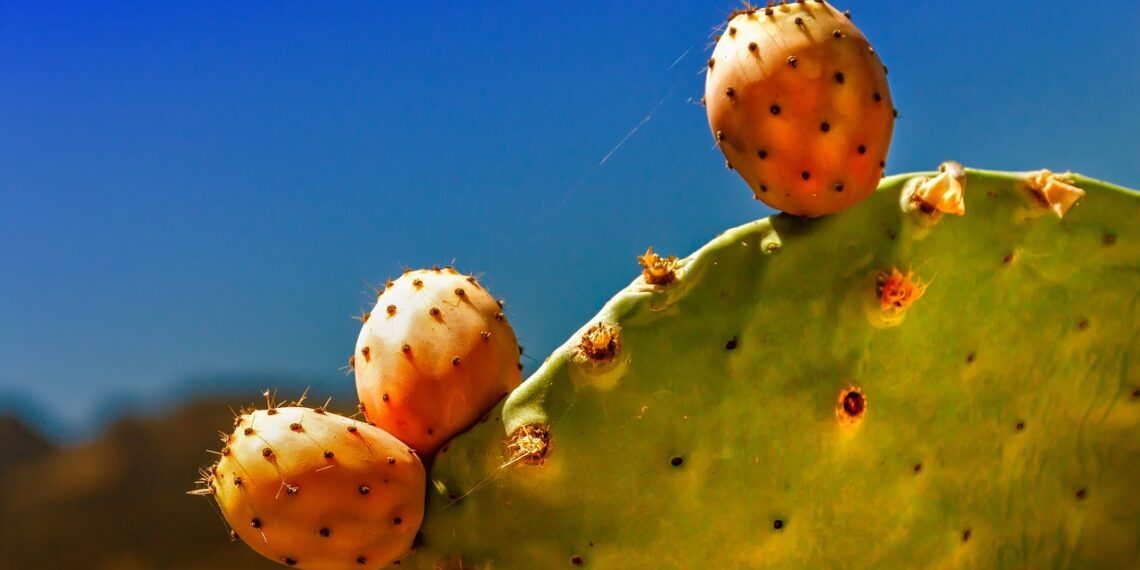
The prickly pear cactus might seem annoying because of its spiky leaves and thorns, but it’s a sturdy plant that can survive in tough conditions. Plus, it’s packed with good nutrients. So, even though it can be a bit of a bother, it’s worth it in the long run.
In an article published by Health For Mzansi, experts unpack this cactus and its various aspects, including its introduction to South Africa over 300 years ago.
Next-level resilience
The article provides information on the cultivation of the cactus pear, emphasising its drought-resistant nature and suitability for areas with scarce water resources. It also mentions the importance of proper planting techniques and optimal growing conditions.
According to Eastern Cape-based horticulturalist Marina Jordaan, the spineless cactus pear is a drought-resistant plant that can thrive in dry climates. It requires minimal irrigation and full sunlight for optimal growth. This makes it a sustainable crop for South Africa, especially in areas with scarce water resources.
ALSO READ: Aloe: A firm favourite that never goes out of style
Various health benefits
Personal experiences and testimonials are included, such as Nomasoja Mahem’s account of using cactus water for various health benefits, including joint flexibility, improved menstrual cycle, weight control, and better skin and hair health.
“My father drinks cactus juice. He says that it boosts his knee flexibility and helps restore mucus production, which is very good for someone in their 60s,” Mahem shares.
The article also includes expert opinions, like Samantha Travas, an agronomist from Tanzania, highlighting the potential medicinal benefits of prickly pear cactus. She also touches on its role in reducing blood sugar levels, lowering cholesterol, managing hangovers, and reducing inflammation.
Click here to read the full article.
This article was first published by Health For Mzansi and written by Vateka Halile.
READ NEXT: Climate change: Sub-Saharan Africa needs to up adaptation game