Wednesday, April 15, 2026
SUBSCRIBE
21 GLOBAL MEDIA AWARDS
Food For Mzansi
  • News
  • Changemakers
  • Lifestyle
  • Farmer’s Inside Track
  • Food for Thought
No Result
View All Result
  • News
  • Changemakers
  • Lifestyle
  • Farmer’s Inside Track
  • Food for Thought
No Result
View All Result
Food For Mzansi
No Result
View All Result
in Lifestyle

Dandelion: From backyard weed to profitable medicinal plant

The global demand for nutrient-rich dandelion greens and herbal supplements is on the rise. Experts say farmers can tap into this lucrative market by selling fresh leaves or value-added products like caffeine-free coffee substitutes from roasted roots

by Vateka Halile
19th November 2025
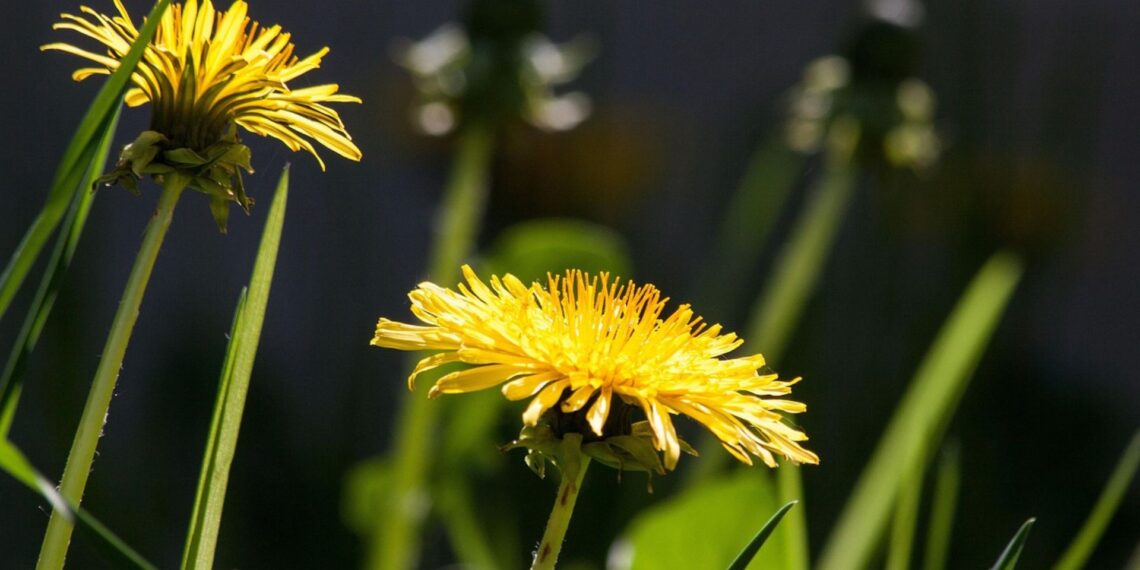
Because dandelion attracts pollinators, it plays a small but important role in supporting biodiversity in Mzansi gardens.
Photo: Pixabay

Because dandelion attracts pollinators, it plays a small but important role in supporting biodiversity in Mzansi gardens. Photo: Pixabay

Share on FacebookShare on TwitterShare on WhatsApp

Dandelion is often dismissed as a common weed, yet this wild plant boasts an impressive array of health benefits and has been used in natural medicine for centuries. 

Some enjoy it as herbal tea, while others use it medicinally. Experts say dandelion supports the human body in many ways.

In South Africa, there are two main species of dandelion: Taraxacum officinale (common dandelion) and Hypochaeris radicata (false dandelion), according to Dr Asanda Sokombela, an assistant technician (horticulture unit) at the University of Fort Hare in the Eastern Cape.

Plantation management

Sokombela notes that the common dandelion is hardy, herbaceous, and native to Europe and Asia, while the false dandelion is toxic to livestock. Proper identification is therefore crucial for both human and animal safety.
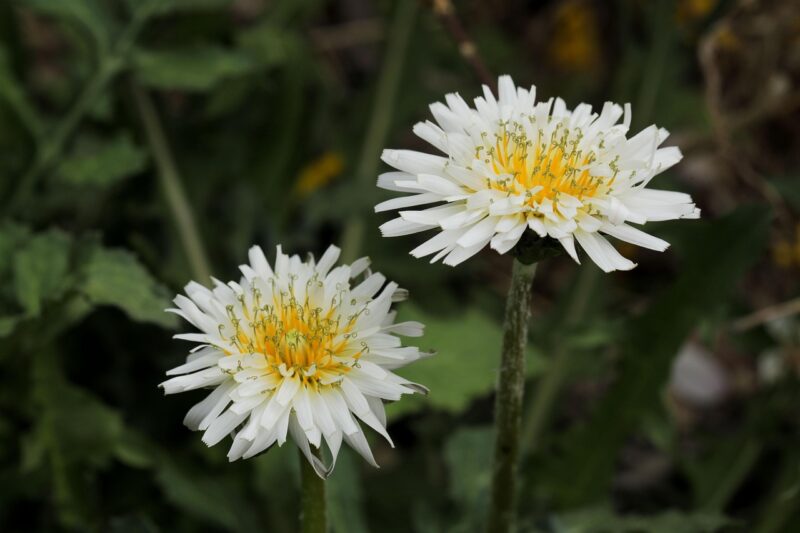
In some cultures, white dandelions are associated with purity, resilience, and quiet strength, contrasting the boldness of yellow dandelions. Photo: Pixabay

If you want to cultivate the plant, she says, common dandelions flourish in cool to temperate climates with moist, well-drained soils. 

They thrive in the Western Cape’s Mediterranean climate, Gauteng and the Highveld with summer rainfall and cold, dry winters, the misty and moist KwaZulu-Natal Midlands, and the Eastern Cape’s cool summers and cold winters.

They prefer full sun but can tolerate partial shade, and while mature plants are relatively drought-tolerant, moderate, consistent moisture is essential during germination and early growth.

Dr Asanda Sokombela, an assistant horticulture technician at the University of Fort Hare. Photo: Supplied/Food For Mzansi

The plant grows best in loose, fertile soil that is slightly acidic to neutral, with a pH range of 6.0 to 7.0. Loamy or sandy-loam soils enriched with compost or aged manure allow the long taproot to penetrate easily.

She emphasises that overly compacted or waterlogged soils should be avoided, as they may stunt growth or cause root rot. 

“Dandelions are also resilient, tolerating light frosts and mild heat once established.”

Asanda Sokombela

Despite their hardiness, dandelions are vulnerable to pests such as aphids, caterpillars, and slugs, which can stunt growth, and to fungal diseases like powdery mildew in humid conditions. 

📢 Stand Up, Be Seen, Be Counted

We want to provide you with the most valuable, relevant information possible. Please take a few minutes to complete this short, confidential survey about your farming practices and challenges. Your feedback helps us tailor our coverage to better support the future of agriculture across Mzansi.

What is your main commodity farmed?
CAPTCHA image

This helps us prevent spam, thank you.

They may also carry viruses such as tomato ringspot virus, which can spread to other crops. 


Related stories
  • Farming with saffron in South Africa: Here’s how you do it
  • Pumla brings food to life with herbs and spice
  • Moringa: Mzansi’s miracle tree takes root

Sokombela recommends integrated pest management strategies, including regular inspection, maintaining good airflow, and pruning overcrowded plants to ensure healthy and productive dandelions.

More than just a weed

Tshwane-based plant pathologist Sibongile Jiyane explains that dandelion grows almost everywhere and has long been valued for its ability to aid digestion, reduce bloating, and support liver health through gentle detoxifying properties.

“People often drink dandelion tea to flush excess water from the body and to help clear the skin,” she says. 

Sibongile Jiyane is a plant pathologist based in Tshwane. Photo: Supplied/Food For Mzansi

“You can easily make it at home by drying the leaves or roots and steeping them in hot water, or even add fresh greens to salads, as they are rich in vitamins and minerals.”

All parts of the plant can be used medicinally, with the roots considered the most potent. Dandelion is rich in calcium, iron, vitamins A, B, C and D, protein, chlorine, and is among the best natural sources of potassium. 

A business opportunity

Dandelion is not only valuable for health but also offers lucrative opportunities for farmers, says Babalwa Mpambani, an agronomist and scientific manager in horticulture research at the Dohne Agricultural Development Institute in the Eastern Cape.

She explains that the dandelion greens market is substantial, driven by demand for nutrient-rich leafy greens in salads, smoothies, and even pesto. “Global interest in dandelion products is expected to grow steadily, particularly as awareness of the plant’s health benefits rises.”

“Farmers can harvest and sell fresh dandelion greens to markets, restaurants, and health-food stores, where they are highly prized,” she says. 

Babalwa Mpambani is an agronomist and scientific manager in horticulture research at the Dohne Agricultural Development Institute. Photo: Supplied/Food For Mzansi

Leaves and roots can also be dried to produce teas, powdered extracts, or capsules for the herbal supplement market. Roasted dandelion root can be packaged as a caffeine-free coffee substitute, tapping into the growing market for alternative beverages.

Mpambani notes that while consumer interest in natural, health-promoting foods is driving demand, the market remains limited by low awareness of dandelion’s versatility and benefits. Educating consumers and creating value-added products can unlock significant opportunities for growers.

With proper care, identification, and sustainable cultivation, this once-overlooked weed can become a powerhouse herb in South African households and on farm tables, providing nourishment, natural remedies, and business opportunities for years to come, adds Mpambani.

READ NEXT: Medicinal plants conference highlights healing & profit potential

Sign-up for the latest agricultural news delivered straight to your inbox every day with Mzansi Today!

Vateka Halile

Vateka Halile grew up in rural areas of Cofimvaba in the Eastern Cape. She was raised in a traditional family setting and found writing to be a source of comfort and escape. Vateka participated in an online citizen journalism course through Food For Mzansi, and her passion for health and medicine-related stories was born. Her dedication to community work and love for social justice and solidarity spaces is evident in her quality time with the community when she isn't working.

Tags: Agro-processingConsumer interestEastern CapeInform memedicinal plants

Related Posts

Rooibos cosmetics offer growth path for agripreneurs

Rooibos cosmetics offer growth path for agripreneurs

11th April 2026
Biosecurity to breeds: Master the art of egg production

Biosecurity to breeds: Master the art of egg production

7th April 2026

No oven needed: Easy no-bake dessert recipes

Pickled fish recipe: Tradition and taste in every bite

Why Africa’s medicinal plants are the next big agricultural export

Spekboom recipe: The ‘wonder plant’ your kitchen needs

Matcha mania: The green tea trend taking over Mzansi

Farm clinics bring healthcare closer to Cape Winelands workers

Rooibos cosmetics offer growth path for agripreneurs
Lifestyle

Rooibos cosmetics offer growth path for agripreneurs

by Vateka Halile
11th April 2026

Rooibos isn’t just for tea anymore. South African agripreneurs are tapping into its antioxidant power to create skincare products with...

Read moreDetails

Rainbow expert shares blueprint for poultry farming success

11th April 2026
Poultry and potatoes power Fort Hare graduate’s farming vision

Poultry and potatoes power Fort Hare graduate’s farming vision

10th April 2026
The business of farming: How to make your farm bankable

The business of farming: How to make your farm bankable

10th April 2026
Western Cape pledges R22m for drought-hit livestock farmers

Western Cape pledges R22m for drought-hit livestock farmers

10th April 2026

Four lessons from Colombia to fix South Africa’s land reform

Energy and innovation ignite 5th Mzansi Young Farmers Indaba

How climate-friendly farming is paying off for rural EC communities

Competition Commision report: Prices drop at farm, but not at tills

Poultry and potatoes power Fort Hare graduate’s farming vision

Join Food For Mzansi's WhatsApp channel for the latest updates!

JOIN NOW!
Next Post
Lunghi Mashaba and Ricardo Tivana, the first Limpopo learners to complete the Citrus Secondary Programme, are paving the way for future careers in the citrus industry. Photo: Supplied/Food For Mzansi

SA citrus celebrates orange tariff victory and record exports

THE NEW FACE OF SOUTH AFRICAN AGRICULTURE

With 21 global awards in the first six years of its existence, Food For Mzansi is much more than an agriculture publication. It is a movement, unashamedly saluting the unsung heroes of South African agriculture. We believe in the power of agriculture to promote nation building and social cohesion by telling stories that are often overlooked by broader society.

AgriTrends: SA farmers adapt as global shocks reshape agriculture

Every drop counts: Managing precision irrigation for export citrus

Four lessons from Colombia to fix South Africa’s land reform

Sugar industry hopeful as phase 2 of master plan launches

100 ha of hope: Aphiwe revives family farming legacy in Engcobo

Didiza calls for radical shift in youth land access and finance

  • Awards & Global Impact
  • Our Story
  • Contact Us
  • Cookie Policy
  • Privacy Policy
  • Copyright

Contact us
Office: +27 21 879 1824
News: info@foodformzansi.co.za
Advertising: sales@foodformzansi.co.za

Contact us
Office: +27 21 879 1824
News: info@foodformzansi.co.za
Advertising: sales@foodformzansi.co.za

  • Awards & Global Impact
  • Our Story
  • Contact Us
  • Cookie Policy
  • Privacy Policy
  • Copyright
No Result
View All Result
  • News
  • Changemakers
  • Lifestyle
  • Farmer’s Inside Track
  • Food for Thought

Copyright © 2024 Food for Mzansi

This website uses cookies. By continuing to use this website you are giving consent to cookies being used. Visit our Privacy and Cookie Policy.