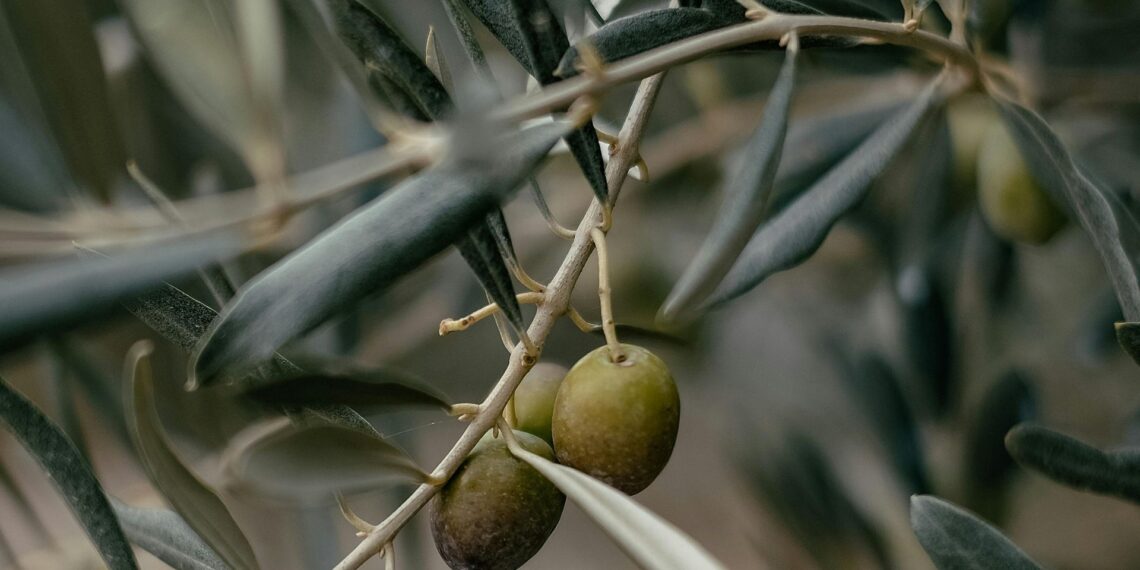
The olive oil industry in South Africa has gained significant importance in recent years, contributing to the economy, agriculture, and culinary culture.
South African olive oils have gained international recognition for their quality, with many winning awards at global competitions. This helps to elevate the country’s reputation in the gourmet food market.
During the recent Gather to Grow session on Instagram Live, SA Olive chief executive officer Wendy Petersen, olive producer at Willow Creek Estate Nicolaas Roodt, and agricultural economist Nozipho Puwana discussed the opportunities and challenges within South Africa’s olive industry.
Navigating the storms
According to Petersen, the industry is supported through a statutory levy on both local and imported products, which funds initiatives to expand the sector.
Despite a production capacity of just over 2.8 million litres of olive oil annually, the nation still imports around five to six million litres each year. Petersen encouraged South African producers to consider olive farming as a lucrative diversification option, especially for those in the wine industry facing market oversupply.
Petersen said the quality standards South African producers maintain, have bolstered the reputation of local olive oil internationally.
“Our producers have put a lot of effort and measures in place to drive quality,” she said.
Related posts
- 2024 SA Olive Awards: Top EVOOs shine in annual ceremony
- Goedgedacht Trust breaks olive harvest record
She mentioned the country’s “commitment to compliance scheme” (CTC) that certifies quality and authenticity. This standard has enabled local producers to gain recognition in the ESA Olive Awards and international competitions.
Puwana spoke about the global market dynamics and remarked on how climate impacts are reshaping the industry.
“Extreme events like heatwaves and droughts are affecting production capacity,” she said.
Promoting a healthier option
Puwana added that South Africa’s relatively low production volume presents a chance to tap into the growing demand for extra virgin olive oil, particularly in African markets. According to Puwana, the demand for olive oil over seed oils has surged with consumers increasingly prioritising health.
Roodt offered a glimpse into the on-the-ground challenges in olive farming. “In my expertise, coming from the Nuy Valley, we’ve got very low rainfall, very high heat [and] a lot of pests and fungi.”
He shared how his business addresses these challenges through careful cultivar selection, choosing varieties like Arbequina and Favolosa that thrive in this climate.
ALSO READ: Farmers urged to adopt electric vehicles for a greener future
Sign up for Mzansi Today: Your daily take on the news and happenings from the agriculture value chain.