Thursday, October 22, 2026
SUBSCRIBE
22 GLOBAL MEDIA AWARDS
Food For Mzansi
  • News
  • Changemakers
  • Lifestyle
  • Farmer’s Inside Track
  • Food for Thought
No Result
View All Result
  • News
  • Changemakers
  • Lifestyle
  • Farmer’s Inside Track
  • Food for Thought
No Result
View All Result
Food For Mzansi
No Result
View All Result
in News

Rural women in front lines of fight against climate change

Rural women have an essential part to play in the African continent's struggle to adapt to climate change. Their communities also tend to bear the brunt of climate change related extreme weather events like droughts and floods

by Vateka Halile
19th March 2022
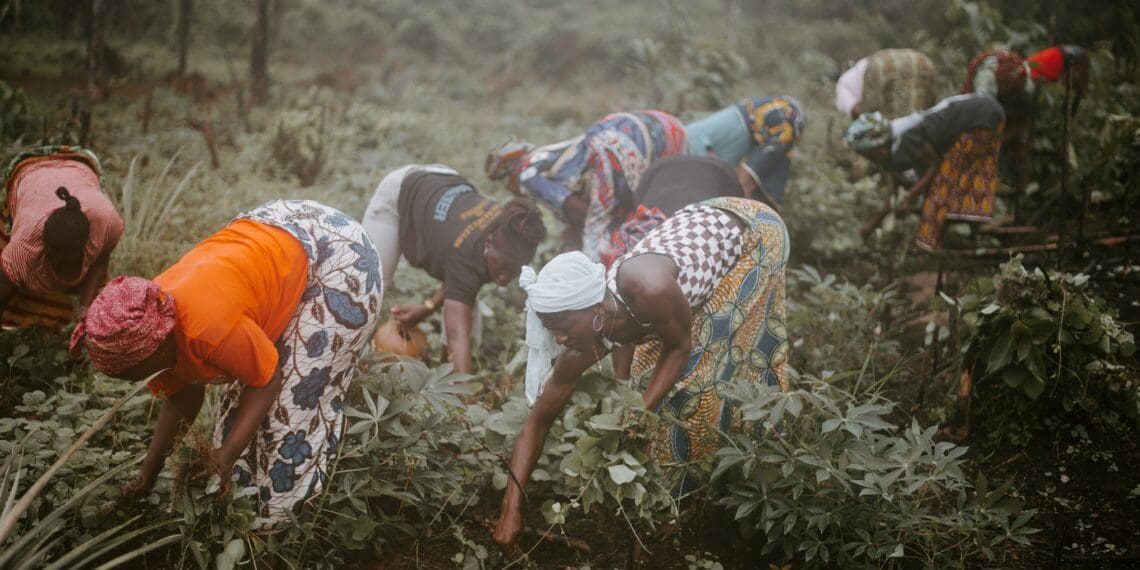
Climate change is a major threat to agriculture and food security. The war against climate change, while everyone's fight, is however raising serious questions around gender equality and the participation of women. Photo:Supplied/Food For Mzansi

Climate change is a major threat to agriculture and food security. The war against climate change, while everyone's fight, is however raising serious questions around gender equality and the participation of women. Photo:Supplied/Food For Mzansi

Share on FacebookShare on TwitterShare on WhatsApp

The threat of climate change related events to agricultural production, food security, and human settlements is a matter of grave concern for South Africa, according to Makhotso Sotyu, deputy minister of environment, forestry and fisheries. She was speaking during a side event at the commission for the status of women meeting held in New York recently.

In various areas of the African continent, there has been devastating extreme weather events associated with flooding and drought, said Sotyu. This is increasing food insecurity, while wildfires are destroying vast tracks of land.

However, according to Sotyu, African women are resilient and will be required to play a major role in the fight against climate change and its devastating impact on agriculture.

“The African rural farming communities of largely women will thus need to transform unsustainable production, consumption and land use patterns towards climate resilient agricultural practices,” she said.

According to the deputy minister climate change is causing massive livelihood losses and damages for African women. This included, among others, the loss of biodiversity.

Risk widening gender gap

Reports tabled at the comission show that human pressures will likely push one million species towards extinction in the coming years.

If left unchecked these inter-linkages between climate change, biodiversity loss, desertification, land degradation, pollution and the Covid-19 pandemic could unleash devastating effects on humanity, especially for African women, Sotyu said.

“The economic risks posed by climate change could widen the gender gap, including gender violence,” she cautioned.

Many other African countries advocate for the need to integrate gender perspectives into our design, funding, implementation, monitoring, and evaluation of policies and programmes on climate change.

According to Sotyu this is a stance South Africa supports. However, in addition, the country agrees on gender mainstreaming across sectors at all levels of government.

Africa’s sustainable future needs…

Across the African continent, countries are advocating for resources to implement climate action measures. This is because the burden of climate change falls heaviest on the most vulnerable sectors of society.

Environment, forestry and fisheries deputy minister, Makhotso Sotyu. Photo: Supplied

Burden-shifting to developing countries and unilateral efforts to redefine and narrow eligibility for climate change support, as well as placing conditionality on support, are specific threats to gender rights in developing countries, Sotyu said.

“We recognise and appreciate the important roles that women and girls are playing as effective, powerful leaders and change-makers for climate adaptation and mitigation.

“They are involved in sustainability initiatives around the world, in their communities, and their participation and leadership results in more effective climate action,”

However, much more needs to be done to fully realise the empowerment of women and girls, particularly in developing countries, Sotyu said.

“As stated in the 2030 Agenda for Sustainable Development, to empower women and girls to have a voice and be equal players in decision-making related to climate change and sustainability is essential for sustainable development. Without gender equality today, a sustainable equal future remains beyond our reach.”

ALSO READ: Reducing inequality could help tackle climate change

Sign up for Mzansi Today: Your daily take on the news and happenings from the agriculture value chain.
Vateka Halile

Vateka Halile grew up in rural areas of Cofimvaba in the Eastern Cape. She was raised in a traditional family setting and found writing to be a source of comfort and escape. Vateka participated in an online citizen journalism course through Food For Mzansi, and her passion for health and medicine-related stories was born. Her dedication to community work and love for social justice and solidarity spaces is evident in her quality time with the community when she isn't working.

Tags: Climate changeWomen in Agriculture
News

CPAs urged to register for free governance support toolkits

by Staff Reporter
21st October 2026

With 82% of registered CPAs facing non-compliance issues, Vumelana Advisory Fund has introduced free support toolkits to improve land management...

Read moreDetails

Potatoes and tomatoes plunge while avocado prices soar

20th October 2026
Becoming bankable: How to get your farm ready for finance

Becoming bankable: How to get your farm ready for finance

20th October 2026

Fixing SA’s agricultural visa system to protect seasonal harvests

20th October 2026
‘Beware the dangers of illegal foot-and-mouth vaccines’

SA and Namibia reevaluate livestock trade after FMD outbreak

20th October 2026

How animal welfare and human rights shape food security

Agda conference to tackle finance, market access and agri growth

Reluctant farmer scales EC cabbage enterprise to supply Spar

Crowdfunding breathes new life into neglected Limpopo citrus farm

Reality check: What SA agri interns really experience on the farm

Join Food For Mzansi's WhatsApp channel for the latest updates!

JOIN NOW!
Next Post
Mzansi is set to host the fourth South African Investment Conference (SAIC) on Thursday, 24 March 2022. The agri sector hopes that it will feature prominently. Photo: Supplied/Food For Mzansi

Investment Conference 2022: What agri leaders want

THE NEW FACE OF SOUTH AFRICAN AGRICULTURE

With 21 global awards in the first six years of its existence, Food For Mzansi is much more than an agriculture publication. It is a movement, unashamedly saluting the unsung heroes of South African agriculture. We believe in the power of agriculture to promote nation building and social cohesion by telling stories that are often overlooked by broader society.

Agda pushes for pathways to commercialise emerging farmers

Karoo sheep tallow finds new purpose in Mzansi beauty brand

Why simple farm records beat complex systems

Crowdfunding breathes new life into neglected Limpopo citrus farm

Mogogelo farmers receive packhouse and cold storage facilities

Godongwana unveils fuel relief and R10 billion El Niño buffer

  • Awards & Global Impact
  • Our Story
  • Contact Us
  • Cookie Policy
  • Privacy Policy
  • Copyright

Contact us
Office: +27 21 879 1824
News: info@foodformzansi.co.za
Advertising: sales@foodformzansi.co.za

Contact us
Office: +27 21 879 1824
News: info@foodformzansi.co.za
Advertising: sales@foodformzansi.co.za

  • Awards & Global Impact
  • Our Story
  • Contact Us
  • Cookie Policy
  • Privacy Policy
  • Copyright

Chat Options

About this assistant

This feature generates automated answers summarised from Food For Mzansi articles. By using it, you are interacting with an AI system (provided by Google), not a human. AI can make mistakes. Please refer to the source articles for verification and citation purposes.

Our staff do not check or moderate Lerato’s answers in advance, but may review some later. Our journalists continue to write and edit all the articles Lerato uses as sources.

To estimate unique and returning web users, we store a random browser ID in this browser. WhatsApp users are counted by phone number. The same person using both channels may be counted twice.

I'm Lerato, your AI assistant!
No Result
View All Result
  • News
  • Changemakers
  • Lifestyle
  • Farmer’s Inside Track
  • Food for Thought

Copyright © 2026 Food for Mzansi