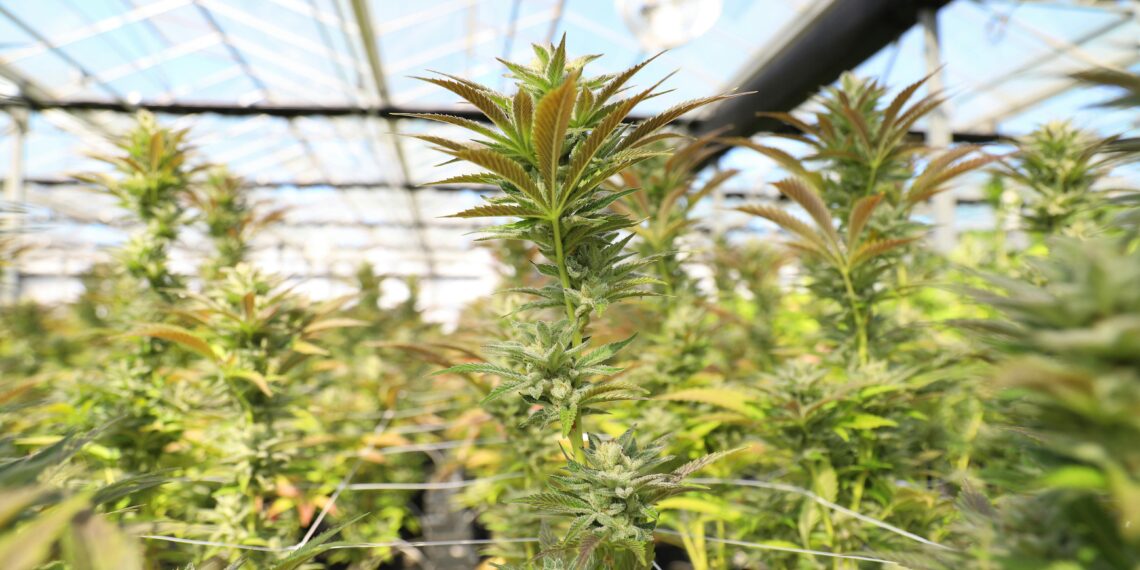
South Africa is positioning itself as an emerging leader in the global hemp and cannabis industry, leveraging its favourable climate, natural resources, and increasing private sector momentum. The country is shifting from informal cultivation towards a fully regulated, economically driven industry that prioritises public health and safety while creating export opportunities.
According to the department of trade, industry and competition (DTIC), in 2021, the department of agriculture declared low-THC Cannabis sativa L. (hemp) as an agricultural product under the Plant Improvement Act, 1976, enabling regulated cultivation, import, and export for licensed growers.
The department said that previously, South Africa had a strict THC limit of 0.2%; however, due to challenges such as intense sunlight naturally increasing THC levels, an amendment to raise the threshold to 2% has been proposed. This change is expected to ease compliance for farmers and unlock broader industrial applications, including textiles and construction materials.
Related stories
- Sona: President promises focus on water, infrastructure, cannabis
- Fresh out of farming school, Memani’s agribusiness takes flight
- Government unveils key progress in Cannabis Master Plan
- Eastern Cape farmers tackle nappy waste to save grasslands
National Cannabis Master Plan and policy framework
“The department of trade, industry and competition has been tasked with the National Cannabis Master Plan to centralise policy, accelerate implementation, streamline licensing, and foster an inclusive commercial framework. The planting season is now underway, with provincial departments of agriculture, growers, and downstream manufacturers collaborating on cultivation and export opportunities.
“Commercial trade still faces regulatory hurdles, which are gradually being addressed,” the DTIC stated.
The Hemp and Cannabis Commercialisation Policy is expected to be ready for cabinet approval and public comment by April 2026. Meanwhile, an Overarching Cannabis Bill is slated for presentation to parliament by mid-2027, aiming to unify existing regulations covering private use, commercial cultivation, manufacturing, and research.
Medical cannabis is legal, with SAHPRA issuing 120 export licences and the department of agriculture granting 1 408 cultivation permits, demonstrating strong government support.
Support for industry growth and exports
Through the DTIC and the Inter-Ministerial Committee chaired by minister Parks Tau, government support extends to trade remedies, export opportunities, industry standards, and funding for downstream activities. The department’s Agro-Processing Support Scheme (APSS) provides grants of up to R20 million to stimulate investment, create jobs, and drive transformation in agro-processing.
International trade missions and agreements, including the African Continental Free Trade Agreement, are helping South African producers access global markets in Africa, Asia, and the Middle East.
According to the department, currently, the hemp and cannabis industry employs over 90 000 people in South Africa. The combination of favourable climate, rising demand for medicinal products, and government initiatives such as the National Cannabis Master Plan is contributing to rapid sector growth. Medicinal cannabis was legalised in 2017, private use decriminalised in 2018, and the Cannabis for Private Purposes Act became law in May 2024.
“For farmers, these developments represent new opportunities for regulated cultivation, commercialisation, and access to both domestic and international markets,” the statement said.
READ NEXT: Solar success: Poultry farmer turns setback into comeback