Saturday, October 10, 2026
SUBSCRIBE
22 GLOBAL MEDIA AWARDS
Food For Mzansi
  • News
  • Changemakers
  • Lifestyle
  • Farmer’s Inside Track
  • Food for Thought
No Result
View All Result
  • News
  • Changemakers
  • Lifestyle
  • Farmer’s Inside Track
  • Food for Thought
No Result
View All Result
Food For Mzansi
No Result
View All Result
in International News, News

SA the only country thriving in Africa’s bioeconomy

With climate change taking centre stage, understanding what bioeconomy is, is important given its focus on using renewable biological resources that are sustainably produced

by Staff Reporter
9th June 2022
Climate change: 'We can win our greatest battle'

Young agripreneurs shared their innovative solutions and experiences at the recent SACAU conference. Photo: Supplied/Food For Mzansi

Share on FacebookShare on TwitterShare on WhatsApp

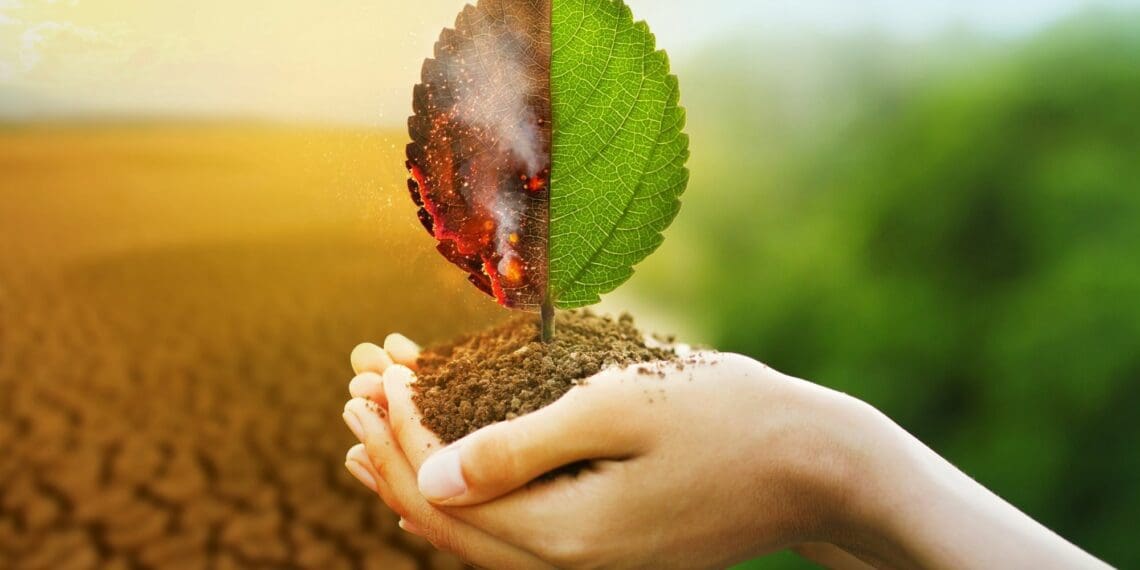
It’s a reality Mzansi! We are living in a world threatened by climate change and Africa is seemingly heating up faster than the global average. To fight back, the mother continent will have to tap into its bioeconomy and find unique and innovative solutions for its delicate ecosystem.

But what exactly is bioeconomy and why should you care? In its most recent climate change article, agricultural publication FoodforAfrika.com unpacks Africa’s bioeconomy and points to various benefits.

Bioeconomy is a set of economic activities, an alternative to our present fossil-dependent model, in which renewable biological resources are sustainably produced.

This is to replace fossil fuels in various forms of consumption and production, to produce products for final and intermediate consumption.

Oluwaseun James Oguntuase, a Nigerian researcher and expert on the development of the African bioeconomy, explains in the article that productivity in several African countries, “depends on natural resources, climate-sensitive sectors such as agriculture, fisheries, forestry, and tourism”.

He also points to climate-sensitive infrastructures such as houses, buildings, municipal services, and transportation networks

Mzansi, the only thriving bioeconomy

Furthermore, Oguntuase details when the idea of bioeconomy first started and when it drew widespread attention from scientists and policymakers.

He also explores the multiple benefits of the bioeconomy such as reducing reliance on fossil-based resources and addressing the climate-related issues linked with the usage of fossil fuels.

The Nigerian researcher explains why he believes the bioeconomy will help improve food security and aid human development.

“Around 50% of harvest losses caused by environmental factors are down to drought, and it is expected that this proportion will continue to rise as a result of climate change,” Oguntuase says.

In the article, you can also find out why South Africa is recognised as the only thriving bioeconomy on the continent, while other countries lag behind.

This article was written by Lucinda Dordley and originally published on FoodForAfrika.com.

Read the full story here.

Sign up for Mzansi Today: Your daily take on the news and happenings from the agriculture value chain.

ALSO READ: Post-harvest losses: EAC steps in to help farmers

Staff Reporter

Researched and written by our team of writers and editors.

Tags: Climate changeresourcesSustainability
Unlocking the economic and nutritional power of the fifth quarter
Advertorial

Unlocking the economic and nutritional power of the fifth quarter

by Lisakanya Venna
8th October 2026

PARTNER CONTENT: Maximising the fifth quarter – offal, cheeks, and trotters – is a vital strategy for South Africa’s red...

Read moreDetails
Prepare your livestock for a drier 2026/27 breeding season

Prepare your livestock for a drier 2026/27 breeding season

8th October 2026
NW government boosts Taung lucerne farmers with new packhouse

NW government boosts Taung lucerne farmers with new packhouse

8th October 2026

Veggie prices: Rising supply could bring relief to SA shoppers

7th October 2026
SADC Plant Nutrition Symposium tackles long-term soil health and farm viability

SADC Plant Nutrition Symposium tackles long-term soil health and farm viability

7th October 2026

Mastering foreign exchange: Smart strategies for SA agri exporters

NW government boosts Taung lucerne farmers with new packhouse

Hope restored as Land Bank secures R500m to end funding freeze

Beyond survivalist farming: The urgent need for a poultry revolution

Rising from storm loss: Sinethemba Gebashe’s egg triumph

Join Food For Mzansi's WhatsApp channel for the latest updates!

JOIN NOW!
Next Post
South Africa is experiencing the worst locust outbreak in 25 years. Photo: Supplied/Food For Mzansi

Locust fight: Agri SA wants non-payment investigated

THE NEW FACE OF SOUTH AFRICAN AGRICULTURE

With 21 global awards in the first six years of its existence, Food For Mzansi is much more than an agriculture publication. It is a movement, unashamedly saluting the unsung heroes of South African agriculture. We believe in the power of agriculture to promote nation building and social cohesion by telling stories that are often overlooked by broader society.

Crucial management habits every livestock farmer must practice

Energy shock, weather risks drive operational costs for SA farmers

Hope restored as Land Bank secures R500m to end funding freeze

Young Lady Grey farmer diversifies from broilers to shisanyama

Four major risks SA farmers can’t afford to ignore

Scrap sugar tax to save farmers and jobs, SA Canegrowers plead

  • Awards & Global Impact
  • Our Story
  • Contact Us
  • Cookie Policy
  • Privacy Policy
  • Copyright

Contact us
Office: +27 21 879 1824
News: info@foodformzansi.co.za
Advertising: sales@foodformzansi.co.za

Contact us
Office: +27 21 879 1824
News: info@foodformzansi.co.za
Advertising: sales@foodformzansi.co.za

  • Awards & Global Impact
  • Our Story
  • Contact Us
  • Cookie Policy
  • Privacy Policy
  • Copyright

Chat Options

I'm Lerato, your AI assistant!
No Result
View All Result
  • News
  • Changemakers
  • Lifestyle
  • Farmer’s Inside Track
  • Food for Thought

Copyright © 2024 Food for Mzansi