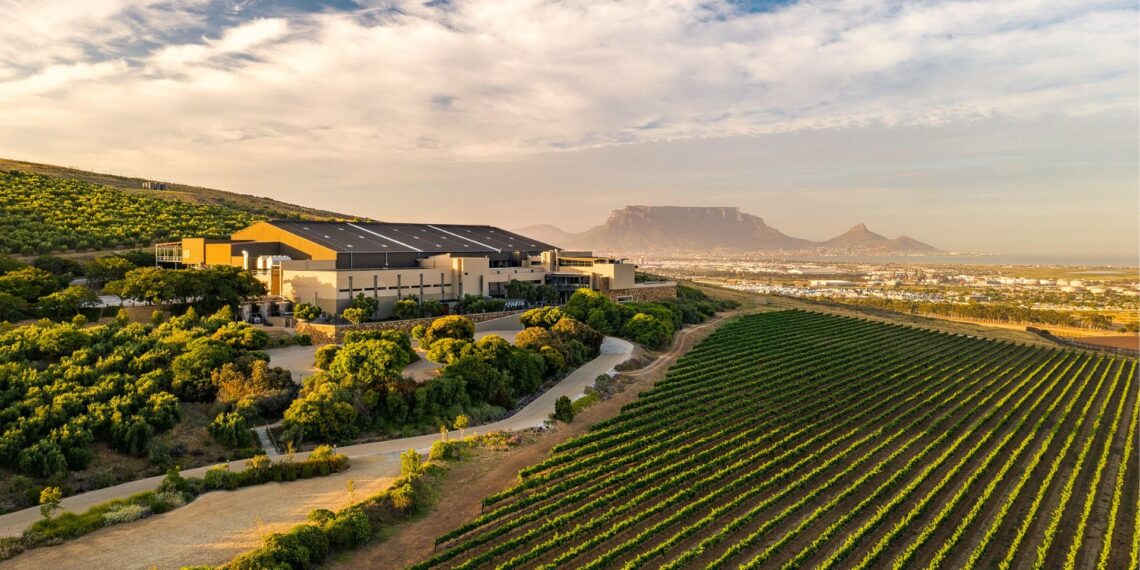
Following a hectic year of adverse weather conditions, there seems to be hope for the wine industry going into the 2025 harvest season. Provinces like the Western Cape experienced floods earlier in the year and some vineyards did not manage to recover.
According to industry role players, early forecasts indicate an expected crop likely on par with the 2023 harvest of 1.183 million tonnes, the second-smallest crop in the past two decades.
Head of Vinpro Consultation Services, Dr Etienne Terblanche, attributed the improved outlook to moderate weather conditions and minimal disruption from extreme weather events.
Weather impact on growing season
“The growing season has benefitted from favourable winter rainfall patterns and moderate spring, which have supported even budding and healthy vine growth. While the national vineyard area continues to shrink, the current conditions and producer resilience suggest a high-quality harvest across key cultivars,” he said.
Terblanche noted that the 2024 post-harvest period was characterised by warm, dry, and windy conditions, creating an ideal environment for maintaining healthy vine canopies.
Related stories
- Wine industry up in arms over proposed excise tax hike
- SAWIPB’s global partnerships elevate SA’s wine talent
- Meet trailblazers of Mzansi’s black-owned wine industry at WineX
Despite localised challenges such as wind damage along the coast and a delayed recovery due to lower early winter rainfall, record-breaking rains in July replenished irrigation reserves and ensured sufficient water storage for the growing season.
“The heavy winter rainfall improved water availability but once again came at a cost, particularly due to infrastructure damage caused by flooding along riverbanks. Apart from some cultivar-specific challenges related to low early winter cold accumulation, most vineyards have shown strong growth heading into the season,” he explained.
Terblanche said the growing season started 10 days later than last year, but moderate conditions and careful management practices have helped avoid the frost damage and extensive flooding seen in 2024. While early cultivars like chardonnay and pinotage show significant improvement, mid-season cultivars, including chenin blanc and shiraz, demonstrated some variability in bunch numbers.
“The conditions over the next two to three months will be important. Factors impacting grape berry size and quality will play a decisive role in determining the potential of the harvest. Producers are optimistic, but continued careful monitoring and adaptation will be key to achieving the full potential of this crop,” he said.
A crucial year for wine
Chief executive officer of South Africa Wine, Rico Basson, said the industry’s adaptability and the absence of extreme weather disruptions this season had created a positive outlook.
“Stock levels in the industry are at equilibrium, matching the demand from global and domestic markets. If the current conditions hold, South Africa is set to deliver a harvest of both quantity and quality, reinforcing its position as a global wine leader,” he said.
South Africa Wine said in a statement that the 2025 harvest estimate, compiled by Vinpro in collaboration with South Africa Wine Industry Information and Systems (Sawis), will be reviewed continuously as the season progresses.
“The next estimate, scheduled for release in January 2025, will provide further insights into what promises to be a crucial year for the South African wine industry,” South Africa Wine stated.
READ NEXT: Supporting small-scale farmers key to Zim’s agricultural future
Sign up for Mzansi Today: Your daily take on the news and happenings from the agriculture value chain