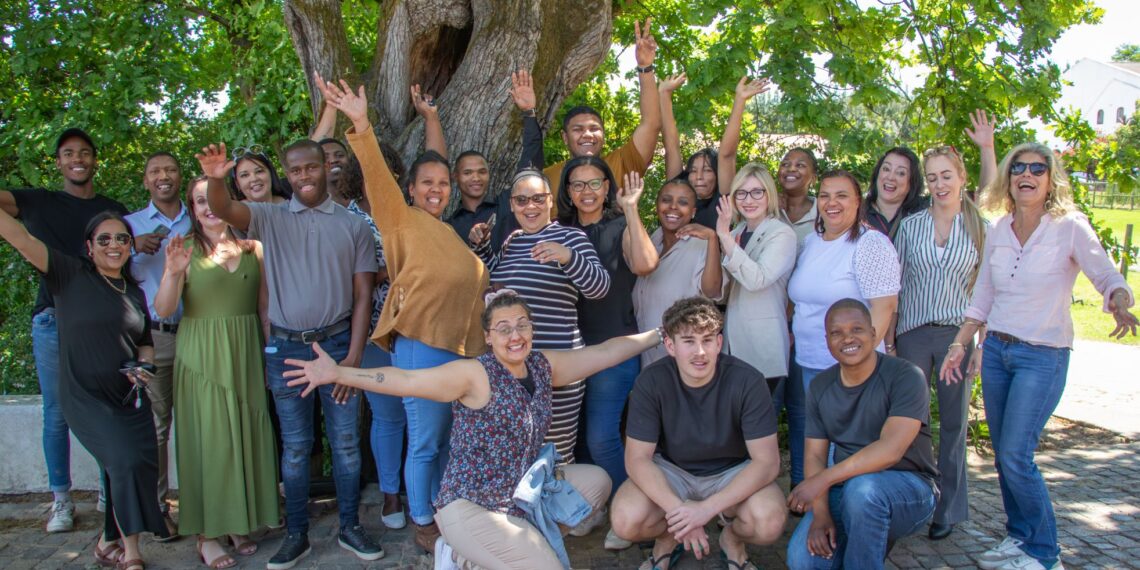
The South African Wine Industry Professional Body (SAWIPB) connects South African wine professionals with global knowledge, boosting skills and credibility in the industry.
The South African Wine Industry Professional Body (SAWIPB) is on a mission to transform the country’s wine industry by creating a bridge between global expertise and local talent.
According to Jurie van Zyl, people development advisor at Skillogical, SAWIPB’s partnerships with prominent global institutions such as the Wine & Spirit Education Trust (WSET), have added value to South Africa’s wine industry.
“Though limited, SAWIPB’s collaboration with prominent global institutions like WSET has enriched South Africa’s wine industry by integrating internationally recognised standards of excellence into local practices,” he explained.

Van Zyl believes future collaborations with organisations like the International Organisation of Vine and Wine (OIV) and the Association of Wine Educators could unlock further growth.
“We believe that partnerships with international organisations will not only provide SAWIPB members with access to advanced industry knowledge but also connect them to a global network of professionals who bring fresh perspectives on trends, sustainability practices, and consumer preferences,” he added.
Related stories
- Building sustainability: SAWIPB leads the way with new campaign
- New board at SAWIPB champions professionalism in wine industry
What’s the benefit?
Through these collaborations, SAWIPB members would gain insights from globally recognised credentials and expertise, enhancing the credibility of South African wine professionals abroad. Locally, SAWIPB’s connections with the Institute of Cape Wine Masters and the South African Sommeliers Association will help tailor international insights to address or fit South African needs, creating a distinctive blend of global standards and local expertise.
Van Zyl is particularly excited about SAWIPB’s focus on establishing competencies across the four key subsectors in the wine industry. “SAWIPB’s proactive approach to establishing and refining competencies is an exciting leap forward, placing South Africa at the forefront of professionalisation in wine,” he noted.
By setting clear roles and development pathways, SAWIPB empowers local practitioners to achieve recognition on par with global leaders. “The thorough competency frameworks we have developed promote a level of specialisation that is rare and reflects a commitment to excellence that resonates internationally.”

A new model for excellence
According to Van Zyl, SAWIPB’s initiatives embrace ethical, sustainable, and socially responsible practices that help distinguish South African wine professionals as both skilled and conscientious.
This multi-dimensional approach adds authenticity to South Africa’s global reputation, distinguishing the country as an industry leader that values quality and responsibility.
To ensure the industry’s continued innovation, SAWIPB has developed communities of expert practice within each subsector, which allow specialists to share knowledge and evolve standards in response to new industry challenges.
“SAWIPB’s focus on fostering communities of expert practice offers a dynamic model for innovation, allowing specialists to collaborate, exchange knowledge, and continuously refine industry standards,” said Van Zyl.
This model keeps the sector agile and able to respond to changes in consumer preferences, technological advances, and shifting sustainability demands.
Furthermore, SAWIPB’s commitment to continuous professional development (CPD) is another core element, helping practitioners stay up to date with international best practices, from viticulture to hospitality and sustainable production.
“[A] structured alignment with global standards [like this] is essential in today’s interconnected industry, enabling South Africa’s wine sector to anticipate and adapt to global shifts more effectively,” said Van Zyl.
READ NEXT: Dippenaar appointed Sati chairperson, eyes global growth
Sign up for Mzansi Today: Your daily take on the news and happenings from the agriculture value chain