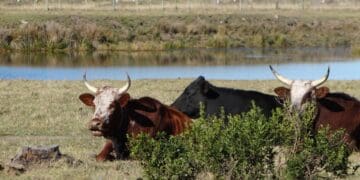
South Africa is currently in its winter season, leading to a notable decline in temperatures across the nation. This shift has posed significant challenges, particularly for farmers. In the Free State, an unforeseen cold snap has resulted in the abrupt death of numerous cattle in the Botshabelo area. Local farmers, who suspect pneumonia in cattle, are now faced with substantial financial losses.
Pneumonia in cattle is a respiratory disease that affects the lungs, causing inflammation and infection. It is often caused by a combination of bacterial, viral, and sometimes fungal infections. Stress factors such as poor ventilation, overcrowding, transportation, and sudden changes in weather can increase the risk.
The South African Weather Service (SAWS) reported that following a relatively dry and warmer-than-usual month of May, the country can expect a drop in daytime temperatures, with showers and thundershowers possible across most parts and even some snow over elevated areas.
Impact on farmers
James Molehe, chairperson of Naledi Commonage in the Botshabelo area, expressed his distress over the death of their cattle.
“The cows did not show much signs of being sick; we would just see them falling dead. We also noted stiffness in the movement of some,” Molehe reported. Despite administering teramizile, the cattle continued to die, he said.
Molehe confirmed that the co-operation lost 17 cows, while other farmers faced similar or greater losses. The financial implications of these deaths are severe, as the cattle were essential for their breeding programme.
“It’s a huge financial loss because the cattle that died are cattle that farmers use to breed and they are expecting to get more cows from them. If you lose [your cattle] then your breeding stops, leading to very bad financial implications.”
James Molehe
Related stories
- Redwater disease strikes: Cattle farmers suffer devastating losses
- Cattle disease in Zim sounds alarm for SA livestock farmers
Treatment of pneumonia in cattle
According to Dr Didi Claassen, general manager of Afrivet Technical and Training Services, cold weather conditions contribute to cattle pneumonia. She explained that treatment and preventative measures are important in the fight against pneumonia in livestock.

“Treatment depends on the underlying cause. There is no specific treatment for viral causes. You have to provide supportive treatment and trust that the animal’s immune system can save the animal. If it is bacterial, you can use antibiotics, but which antibiotic depends on the type of bacteria involved,” she explained.
“Not all bacteria causing pneumonia are the same, and not all antibiotics work for all bacteria. So, it is important to speak to your vet to get an accurate diagnosis and get the correct treatment.”
Claassen recommended several preventative strategies, including ensuring calves receive adequate colostrum, vaccinating against common pneumonia-causing viruses and bacteria, providing good nutrition, reducing stress, and maintaining parasite control.
“You need to vaccinate your animals. Make sure you don’t mix new animals with your core herd immediately. First keep them separate for a few weeks or at least a month preferably to make sure they are healthy.
“Do daily animal inspections and if any animal looks unwell, take their temperature. If they have a fever – temperatures more than 40 degrees – call in the help of a vet to make a diagnosis. Some pneumonia causes are contagious so it is helpful to separate sick animals from the healthy animals,” she advised.
Weather predictions and farming practices
In the meantime, farmers are encouraged to closely monitor the SAWS’s weather predictions to plan ahead. According to their Seasonal Climate Watch report for June to October 2024, below-normal rainfall is forecasted for most parts of the country during the winter season.
While below-normal rainfall during winter over the summer rainfall regions is not likely to be significant, the south-western part, which normally receives significant rainfall during the winter season, is expected to receive mostly below-normal rainfall during this period.
“Below-normal rainfall conditions in these areas are expected to have a significant impact on crop and livestock production. Therefore, the relevant decision-makers are encouraged to advise farmers in these regions to practice soil and water conservation, proper water harvesting and storage, and other appropriate farming practices.”
READ NEXT: Cannabis law: Traditional farmers still left out
Sign up for Mzansi Today: Your daily take on the news and happenings from the agriculture value chain.