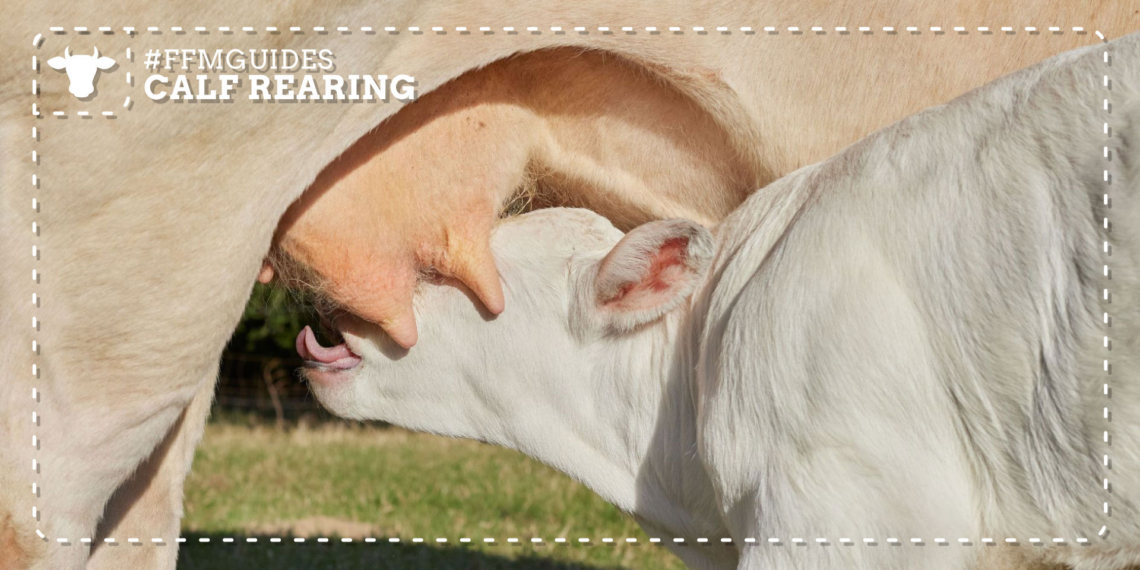
The first hours after calving can shape a calf’s survival, health and future productivity, making careful management of both the cow and newborn essential.
From preparing pregnant cows to produce quality colostrum to ensuring calves suckle promptly and remain healthy in the weeks that follow, every stage requires close attention. Livestock specialist Junior Mkansi and agricultural consultant Mampuru Madiga share practical guidance on how farmers can strengthen calf survival and build more profitable production systems.
Mkansi notes, “Calving management is vital because it determines the overall profitability of the farm’s production systems.”
For farmers, effective management is a continuous timeline that starts with preparing the cow before calving, monitoring the birth process, assisting weak calves quickly, and tracking health for weeks after birth.
Related stories
- Calf rearing: Why the first few hours define your future herd
- Prevent calf abortions through proper cattle vaccinations
1. Prepare cows before calving
Good-quality colostrum begins with a healthy, well-managed cow. Focus on cow condition throughout pregnancy by ensuring access to adequate grazing, nutritional supplementation where necessary, mineral support, and an appropriate health programme.
“If you look after the cow throughout pregnancy, she will produce good-quality colostrum and milk,” Madiga says.
Farmers must inspect cows close to calving for udder problems. Teats should be functional, accessible, and free from injury, swelling, or signs of mastitis.
Breeders should select animals with sound udder conformation and functional teats. Avoid cows with “bottle teats” (teats that are too thick), which prevent newborn calves from accessing milk.
Underperforming maternal traits should face strict consequences, such as culling. To optimise safety, move the cow to a clean, sterilised individual calving pen one to two weeks before her expected calving date.
2. Understand the biology of colostrum
Colostrum is the foundation of calf survival and immunity. It acts as the calf’s sole source of protection against bacterial diseases encountered in early life through passive immunity, the transfer of maternal antibodies from the mother to the calf.
These antibodies act as the body’s soldiers, passed down by the dam during pregnancy.
In addition to antibodies, colostrum provides vital energy, vitamins, and nutrients:
- Energy over protein: Colostrum is exceptionally rich in energy due to its high fat content. At birth, survival takes precedence over growth. While protein is vital for later development, immediate energy is required for the calf to stand up, suckle, and maintain core body temperature. Without energy, a calf cannot reach the udder to begin nursing.
- Vitamins: It is rich in Vitamin A, supporting the development of tissues and body systems that help calves resist disease.
- Digestive aid: It possesses a mild laxative effect, helping the calf clear its digestive tract.
3. Environmental and disease management
A clean calving environment reduces the risk of newborn calves being exposed to harmful bacteria, viruses, and parasites before passive immunity is established.
- Sanitation: Calving camps must be monitored for excessive mud, manure build-up, and stagnant water.
- Local vectors: Farmers should consider local tick, fly, and mosquito burdens. Because every farm is different, disease management must be tailored to the specific conditions of your own environment.
- Climate thresholds: A temperature of 13°C is the lower critical baseline for a newborn. Below 13°C, a calf cannot regulate its temperature without burning vital reserves via shivering, which decreases feed conversion efficiency. In very cold weather, utilise a high-quality milk replacer with an elevated fat content (15% to 18%) to maintain homeothermy.

4. Delayed intake and operational failure
Antibody absorption is greatest during the first hours after birth, and capacity diminishes hour by hour as intestinal epithelial cells mature until complete “gut closure” occurs. Delayed intake weakens the immune system and the natural suckling reflex.
If colostrum is mismanaged, it results in severe operational and economic losses. Calves can develop fever, poor growth, pneumonia, and severe diarrhoea, which quickly results in death.
Calves that survive delayed absorption rarely thrive and frequently develop a permanently stunted, “big belly” appearance, where the abdomen distends abnormally while the chest and hindquarters remain thin and poorly developed.
5. Managing emergency and alternative feeding
Where a calf cannot suckle independently, bottle-feeding or tube-feeding may be necessary.
This must be executed using correct hygiene, appropriate volumes, and suitable techniques to avoid aspiration or digestive complications.
6. Continuous monitoring after birth
Colostrum intake is only the first step. Farmers must observe calves during the days and weeks after calving to ensure they continue to suckle, grow, and remain healthy. Inspect the herd daily and watch for these critical warning signs:
- Poor appetite or weakness
- Diarrhoea or coughing
- Fever or poor growth
- An empty-looking belly
- Calves remaining isolated from the herd
Early intervention prevents a minor health problem from turning into a major production loss. Successful calf rearing starts with the cow but depends on close observation after birth.
READ NEXT: How farmers can use weather technology to adapt to climate risks