
Partnerships in the agriculture sector play a vital role in fostering innovation, sustainability, and resilience while addressing the various challenges and risks associated with farming. This rings true for the Agricultural Development Agency (Agda) which understands all too well the importance of partnerships and has encouraged role players to shift from an ideology of individualism to one of coming together to build South Africa’s agriculture sector.
Agda hosted its members and key role players at its annual general meeting (AGM) in Centurion, Gauteng yesterday under the theme “Building Sustainable Partnerships for Inclusive Growth”.
The AGM highlighted that partnerships in the agricultural sector enabled stakeholders to pool resources, share knowledge, and work together towards the common goal of ensuring a stable and sustainable food supply for communities and nations.
Integration across commodities
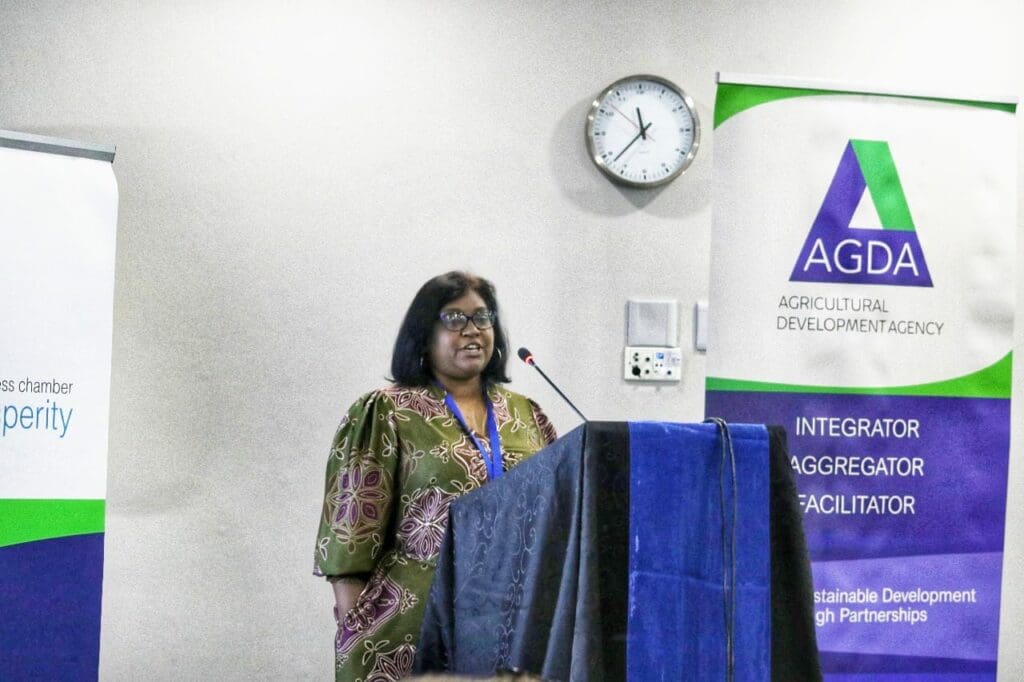
Leona Archary, CEO OF Agda, highlighted that they optimise opportunities by unlocking synergy across value chains and sectors, bringing systematic insight and expertise for integration across commodities.
“We believe that Agda can play a critical role in bringing together partners to understand what is the common thing that we all want to address so that we can grow in our individual efforts,” she said.
Agda is currently the only organisation in the sector with a diverse range of multi-disciplinary members that have partnered towards inclusive growth and development in the SA agri sector.
Agda’s success story
Since its establishment, the organisation has created an enabling environment for inclusive growth and value chain opportunities to be unlocked by providing supportive mechanisms to de-risk investments made on financial, social, infrastructure, and human resources levels.
Some of the organisation’s successful partnerships have unlocked investment in a commercial farm. “The current commercial farmer wanted to expand but in order to expand they needed to access additional water rights and additional cover.”
By partnering with other players, Agda assisted in unlocking the opportunities and the farm is now 60% black-owned.
“We are now working on additional land that is going to be developed. Over the next few years, we will reach between 115 to 200 hectares.”
Because of coming in and partnering with other stakeholders, the value of the current farm has increased from R40 million to about R80 million.
Unlocking millions
Archary emphasised, “When you come together and work together with a common vision and common understanding of where you want to go, you can unlock value. Now as we go into that farm, when it is done, we would have unlocked investment beyond R160 million on that property.”
They are now looking at incubating new black young berry farmers on smaller pieces of land. This, Archary said, is only an example of some of the transactions that Agda has helped facilitate and promises to unlock 1 000 job opportunities.
Partnerships in shaping policies
Agricultural partnerships can collectively advocate for policies that benefit the sector, such as subsidies for small-scale farmers, improved infrastructure, and environmental conservation regulations. By working together, stakeholders can have a stronger voice in shaping agricultural policies at the local, national, and international levels.
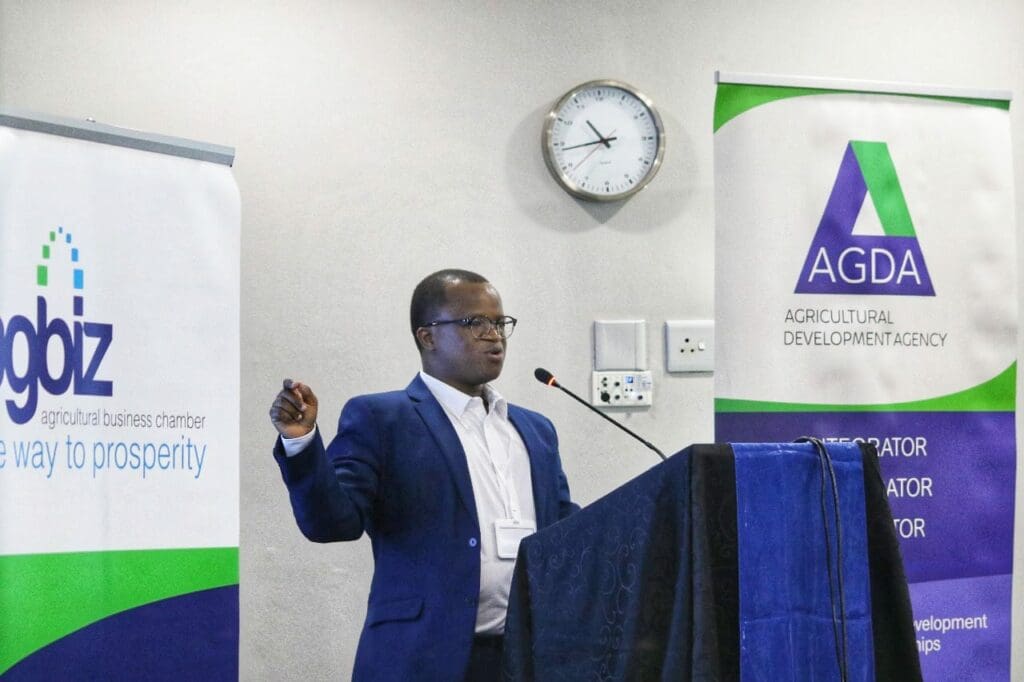
In his keynote address, Wandile Sihlobo, chief economist of the Agricultural Business Chamber of South Africa (Agbiz), emphasised key points that policymakers should always keep in mind.
Growth in the agricultural sector is in general two to three times more effective at reducing poverty and the advantage of agriculture over non-agriculture in reducing is the largest and it extends to other welfare outcomes, Sihlobo said.
“An important source of the poverty-reducing benefits of agricultural growth is the widespread adaptation of… that increase producer returns and wage labour opportunities and reduce consumer prices.”
Touching on rising agricultural productivity, Sihlobo said, “It not only reduces poverty by releasing agricultural labour to non-agriculture activities but also by pulling surplus labour from less productive home production into commercial agriculture.”
ALSO READ: ICYMI: Devastating veld fires leave NW farmers depleted
Sign up for Mzansi Today: Your daily take on the news and happenings from the agriculture value chain.