Sunday, September 6, 2026
SUBSCRIBE
22 GLOBAL MEDIA AWARDS
Food For Mzansi
  • News
  • Changemakers
  • Lifestyle
  • Farmer’s Inside Track
  • Food for Thought
No Result
View All Result
  • News
  • Changemakers
  • Lifestyle
  • Farmer’s Inside Track
  • Food for Thought
No Result
View All Result
Food For Mzansi
No Result
View All Result
in News

Sugar tax, cheap imports endanger rural livelihoods

With imported sugar flooding South Africa’s market, SA Canegrowers has sounded the alarm over the impact of the sugar tax on local producers. They are urging the government to scrap the sugar tax as cheap, subsidised imports threaten more than a million livelihoods

by Staff Reporter
14th January 2026
Gledhow Sugar 'confident' about financial future

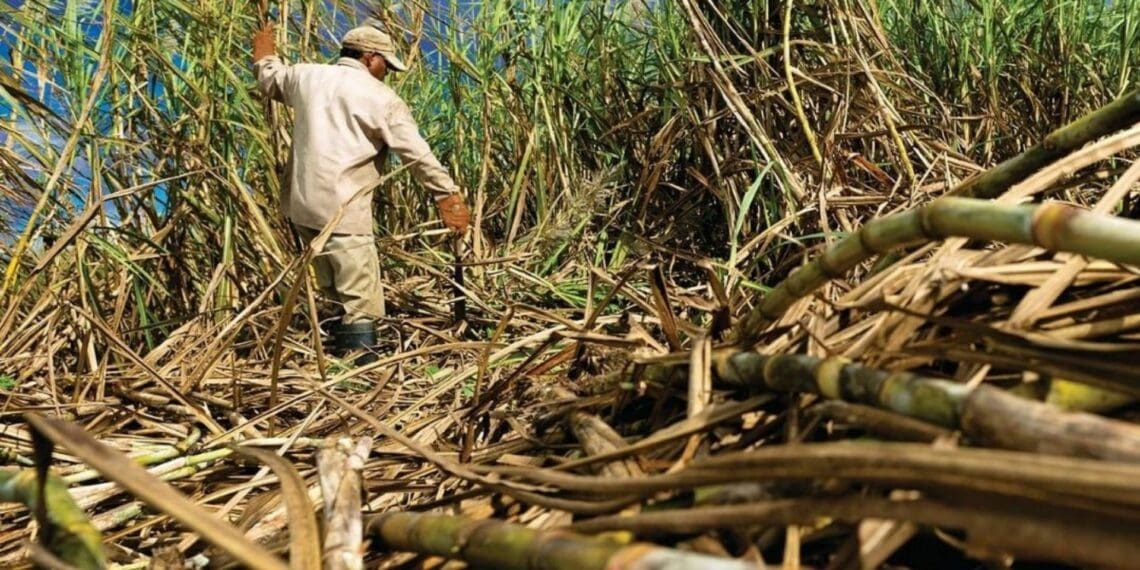
SA Canegrowers call on government to deal with sugar imports. Photo: Supplied/Food For Mzansi

Share on FacebookShare on TwitterShare on WhatsApp

SA Canegrowers has called on the government to urgently scrap the sugar tax in light of a surge in imported sugar that is increasingly displacing locally produced sugar and threatening the survival of the South African sugar industry. 

In a statement, the organisation said the local sugar industry supports more than one million livelihoods, directly and indirectly, across KwaZulu-Natal and Mpumalanga.

“The 27 000 small-scale and 1 100 large-scale sugarcane growers form the backbone of this value chain, yet for the past year, they have been under unprecedented pressure due to the combined effects of rising input costs and volatile global markets. The sugar tax is only serving to compound pressure on a sector already in severe distress.

“The SA Canegrowers is urging government, industry partners and consumers to stand together to protect a sector that underpins many rural economies,” the organisation said.

Higgins Mdluli, chairman of SA Canegrowers, noted, “Imported sugar is often heavily subsidised in exporting countries, but the only people who benefit are the agents who import the sugar into South Africa and are often able to reap high short-term profits by selling the sugar at local market prices.”

Call on government to protect local growers

According to SA Canegrowers, data released by SARS reveals that 153 344 tons of heavily subsidised imported sugar entered South Africa between January and September 2025.

“As a comparison, over the same period in 2020, South Africa imported just 20 924 tons, whilst the previous highest level of imports was 2024 at 55 213 tons for the same period,” the statement said.


Related stories
  • Sugar imports threaten local industry and rural jobs
  • Bitter taste for SA sugar industry as imports surge
  • Western Cape fires destroy farmland and livelihoods
  • Why we should fight for the survival of SA’s wheat producers

The global sugar market is currently characterised by persistent oversupply and heavily distorted trade, with large exporting countries able to offload surplus sugar at artificially low prices due to subsidies, currency advantages and weak global demand growth. 

“In this environment, protecting South Africa’s domestic market is critical. Without effective safeguards, local growers are forced to compete against dumped imports while simultaneously facing policies that suppress local demand. Allowing imported sugar to displace locally produced sugar under these conditions undermines food security, erodes rural economies and places a strategic agricultural sector at long-term risk,” said Mdluli.

SA Canegrowers said they produce more than enough sugar to meet local demand, so imported sugar displaces locally produced sugar from retail shelves and food and beverage manufacturers.

“The sugar tax is an unproven policy experiment with very real consequences for rural jobs and investment. Any future decisions must be informed by a balanced assessment of health data and a calorie-intake survey of South Africans, balanced with the impact on the economy and on the sustainability of local food production.

“Saving the sugar industry is not just about growers; it is about communities, jobs and South Africa’s ability to produce its own food. By standing together now, we can protect a strategic sector and secure a more sustainable future for generations to come,” Mdluli said.

READ NEXT: Festive stock heists spark alarm across rural SA

Sign-up for the latest agricultural news delivered straight to your inbox every day with Mzansi Today!

Staff Reporter

Researched and written by our team of writers and editors.

Tags: Commercialising farmerInform meSA Canegrowers AssociationSugar industrysugarcane industry
Tough times, hardy cattle: Why Mzansi farmers are choosing Nguni
News

Tough times, hardy cattle: Why Mzansi farmers are choosing Nguni

by Vateka Halile
3rd September 2026

Nguni cattle are known for their hardiness and low-maintenance needs, making them ideal for Mzansi's harsh conditions. However, market prejudice...

Read moreDetails
Dragon fruit thrives in KZN valley despite tough national season

Dragon fruit thrives in KZN valley despite tough national season

3rd September 2026
The future of Mzansi's sugar industry hangs in the balance

Government hikes sugar import price, but industry warns of gap

3rd September 2026

Chicken is booming, but the real money is in the supply chain

2nd September 2026
How Tebogo beat post-harvest losses with smart agro-processing

How Tebogo beat post-harvest losses with smart agro-processing

2nd September 2026

Aucamp outlines strategy for biosecurity, trade, and infrastructure

Dragon fruit thrives in KZN valley despite tough national season

Plant, pick, protect: The rising potential of urban foraging in SA

Tough times, hardy cattle: Why Mzansi farmers are choosing Nguni

KZN farmer loses 90% of crop amid severe water shortages

Join Food For Mzansi's WhatsApp channel for the latest updates!

JOIN NOW!
Next Post
For Africa to achieve food security, an integrated plan needs to be implemented, says Hamond Motsi. Photo: Pexels

Africa’s food future: Urgent action for a secure 2026

THE NEW FACE OF SOUTH AFRICAN AGRICULTURE

With 21 global awards in the first six years of its existence, Food For Mzansi is much more than an agriculture publication. It is a movement, unashamedly saluting the unsung heroes of South African agriculture. We believe in the power of agriculture to promote nation building and social cohesion by telling stories that are often overlooked by broader society.

Tiger Brands CEO calls for stronger food value chain

Plant, pick, protect: The rising potential of urban foraging in SA

RSVP now: Emerging farmers’ programme at Nampo Cape

Community-led farms boost food security and incomes in Limpopo

Farmers rethink water use as shortages threaten food production

Honoured roots: A father’s legacy, a daughter’s farming dream

  • Awards & Global Impact
  • Our Story
  • Contact Us
  • Cookie Policy
  • Privacy Policy
  • Copyright

Contact us
Office: +27 21 879 1824
News: info@foodformzansi.co.za
Advertising: sales@foodformzansi.co.za

Contact us
Office: +27 21 879 1824
News: info@foodformzansi.co.za
Advertising: sales@foodformzansi.co.za

  • Awards & Global Impact
  • Our Story
  • Contact Us
  • Cookie Policy
  • Privacy Policy
  • Copyright

Chat Options

I'm Lerato, your AI assistant!
No Result
View All Result
  • News
  • Changemakers
  • Lifestyle
  • Farmer’s Inside Track
  • Food for Thought

Copyright © 2024 Food for Mzansi

This website uses cookies. By continuing to use this website you are giving consent to cookies being used. Visit our Privacy and Cookie Policy.