Saturday, June 6, 2026
SUBSCRIBE
22 GLOBAL MEDIA AWARDS
Food For Mzansi
  • News
  • Changemakers
  • Lifestyle
  • Farmer’s Inside Track
  • Food for Thought
No Result
View All Result
  • News
  • Changemakers
  • Lifestyle
  • Farmer’s Inside Track
  • Food for Thought
No Result
View All Result
Food For Mzansi
No Result
View All Result
in News

The Sustainability Institute: Breaking rural poverty cycles

For nearly three decades, the Sustainability Institute in Stellenbosch has used agroecology to fight rural poverty and ecological damage. From zero-pesticide farming to treating 100% of wastewater on-site, the institute is proving that social justice and environmental restoration can thrive together

by Vateka Halile
6th June 2026
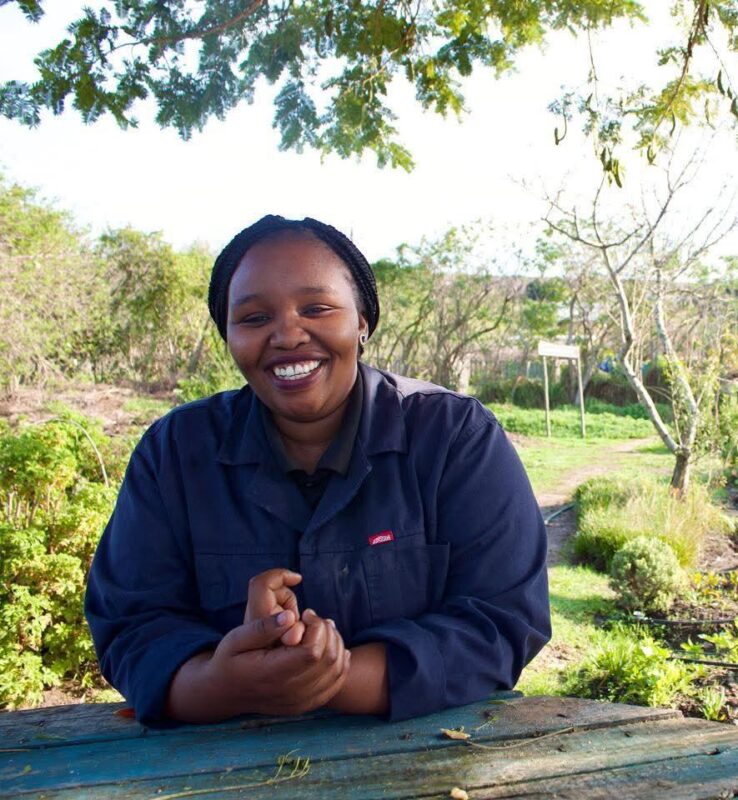
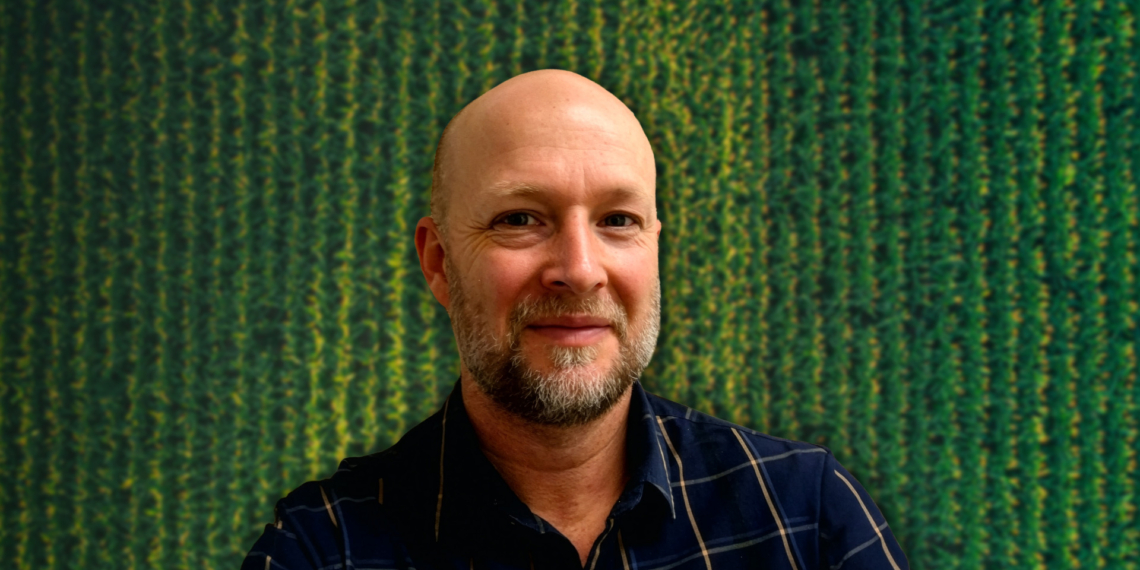
Rico Vessell is the Nourish Programme team coordinator at the Sustainability Institute in Stellenbosch.
Photo: Gareth Davies/Food For Mzansi

Rico Vessell is the Nourish Programme team coordinator at the Sustainability Institute in Stellenbosch. Photo: Gareth Davies/Food For Mzansi

Share on FacebookShare on TwitterShare on WhatsApp

The Sustainability Institute (SI) in Lynedoch, Stellenbosch, is defining the future of agroecology, organic farming, climate education, and social innovation. Founded 27 years ago, it has made a mark through research focused on community development and regenerative living.

Rico Vessell, the Nourish Programme co-ordinator at the Sustainability Institute, unpacked strides they have made over the past almost three decades, what their focus is, and plans to expand their local food footprint.

What was the founding vision behind the Sustainability Institute, and what specific problems was it created to solve?

The Sustainability Institute was founded in 1999 by Mark Swilling and Eve Annecke in the Lynedoch area of Stellenbosch. The core goal was to create a space that actively countered the spatial, racial, and economic segregation left behind by apartheid.

In rural Winelands communities, historical systems left agricultural workers landless, impoverished, and structurally marginalised, while the environment suffered from chemical industrial farming.

The founders set out to prove that you can build a socially mixed, ecologically designed community from the ground up that is both financially viable and restorative to the people and the land.

How does the institute put social and ecological justice into practice, particularly through the Nourish Programme?

Social and ecological justice means recognising that human well-being and environmental health are inseparable. You cannot fix an ecosystem while leaving its community in poverty, and you cannot empower a community inside a dying ecosystem. 

It means ensuring equitable access to clean water, nutrient-dense food, safe housing, and transformative education while restoring soil biology.

Within the Nourish Programme, we treat nutrition as a structural intervention rather than just filling stomachs. By establishing regenerative food pathways, nourishing children from infancy, and introducing indigenous crops back into local diets, food becomes a tool for systemic equity.


Related stories
  • Start small, grow big: Zen Teitge’s blueprint for sustainable farming
  • Sustainable farming: How to balance soil health and income
  • Carbon credits 101: A guide to regenerative farming & income
  • Regenerative agriculture: A sustainable solution for soil health

How does the ‘living laboratory’ model work, and how does it connect to your birth-to-adulthood learning pathway?

The institute acts as the academic anchor within the Lynedoch Eco-Village, a real-world test site where roughly 30 socially and economically diverse families live side by side. If a sustainable system looks brilliant on paper but fails to work for a family in the village, it is adapted, bridging the gap between theory and everyday African realities.

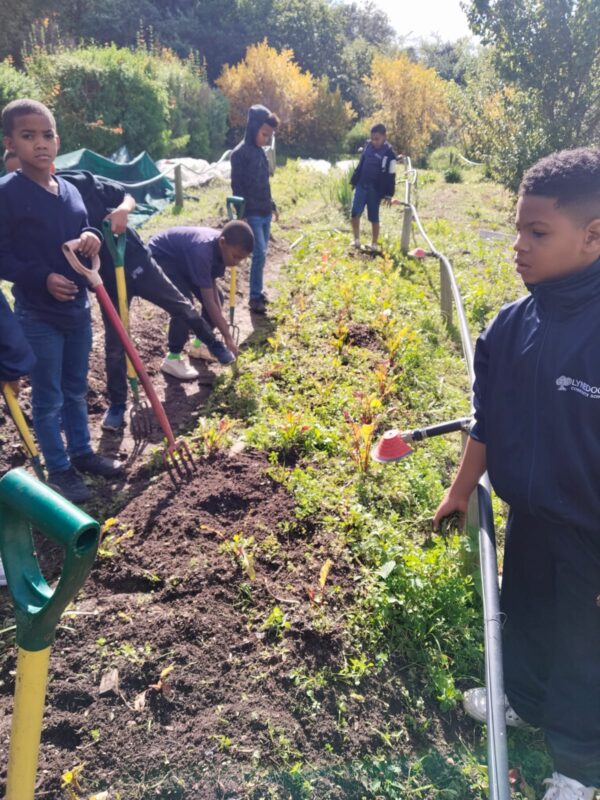
This grounds our birth-to-adulthood learning pathway. It begins at the Lynedoch Children’s House, focusing on infant nutrition, flows through the Lynedoch Community School, where children aged six to 12 spend 45 minutes a day learning practical skills in the garden away from books and expands into vocational training like the AgroEcology Programme for unemployed youth.

The curve peaks with our Stellenbosch University partnership, where master’s and PhD students research the very systems being practised on-site.

What real, generational changes have you seen in the Lynedoch community over the last 27 years?

The shift has yielded clear, generational indicators for both children and adults:

  • For children: Stunting and nutritional deficits are directly combated through early childhood development nutrition frameworks. Local kids have immediate access to safe, integrated education within their own neighbourhood, breaking the cycle of long-distance commuting to under-resourced schools.
  • For adults and livelihoods: Land tenure and high-quality, ecologically designed housing became accessible to families previously locked out of the property market. Specialised training pathways and local micro-enterprises have shifted local employment away from vulnerable, seasonal farm labour toward stable, skill-based green jobs.

How does the site operate sustainably daily, and what is the focus for the next three to five years?

The site operates as a circular, decentralised infrastructure model that doubles as a teaching tool. We treat 100% of black and grey wastewater on-site via chemical-free wetland filtration systems to reuse for irrigation, rely on renewable energy to move away from grid dependence, and practice zero-pesticide organic farming focused on soil microbiology and indigenous crops.

Over the next three to five years, our focus is on navigating macro challenges like regional water variability and NGO funding constraints to scale our impact.
We aim to expand our local food footprint and translate decades of on-site living lab data into open-source toolkits that other Global South communities can replicate.

Schoolchildren at Lynedoch Community School
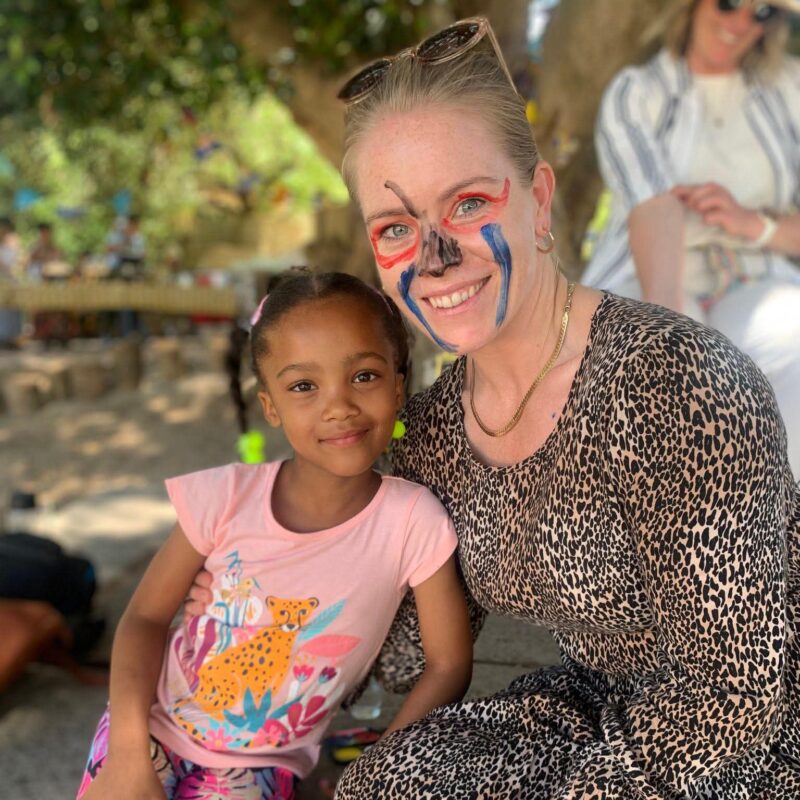
Jessica Alley, the school principal
Vuyolwethu Zicina, who leads the food garden
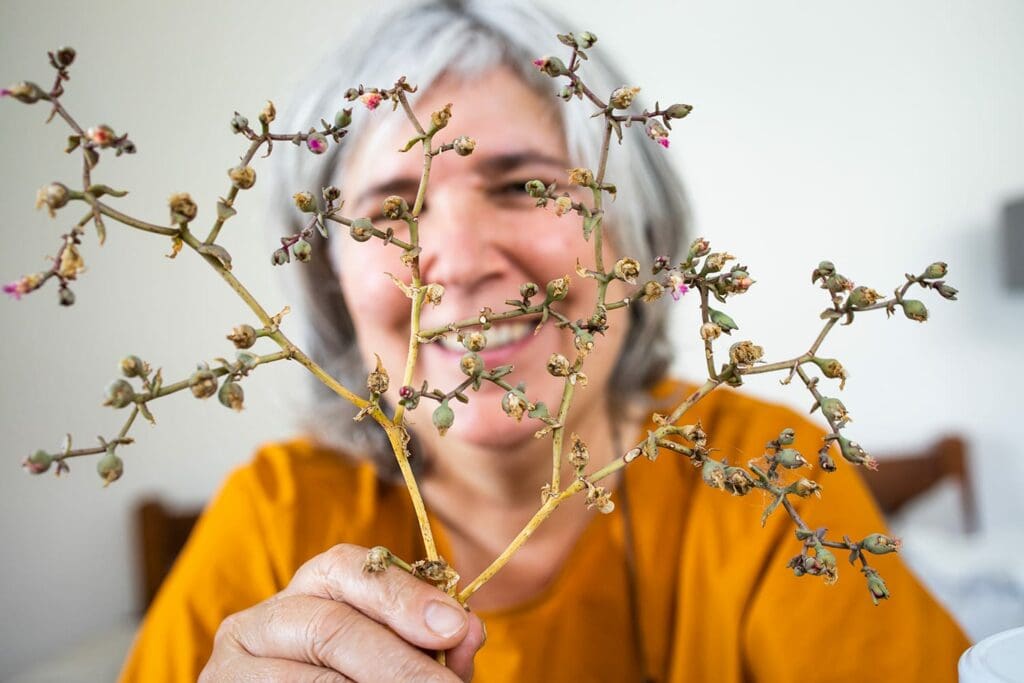
Loubie Rusch, programme coordinator of the Local WILD Food Hub at the Sustainability Institute.

READ NEXT: Plan before you plant: Key insurance lessons for SA farmers

Sign-up for the latest agricultural news delivered straight to your inbox every day with Mzansi Today!

Vateka Halile

Vateka Halile grew up in rural areas of Cofimvaba in the Eastern Cape. She was raised in a traditional family setting and found writing to be a source of comfort and escape. Vateka participated in an online citizen journalism course through Food For Mzansi, and her passion for health and medicine-related stories was born. Her dedication to community work and love for social justice and solidarity spaces is evident in her quality time with the community when she isn't working.

Tags: agroecologyRegenerative agricultureSustainable agricultureWestern Cape
Fruits and nuts drive SA’s record agricultural export surge
News

Fruits and nuts drive SA’s record agricultural export surge

by Tiisetso Manoko
4th June 2026

The latest BFAP report reveals a spectacular start to 2026 for South African agriculture, reclaiming its net exporter status. While...

Read moreDetails
New Bayer and Khula partnership to boost funding for 50 farmers

New Bayer and Khula partnership to boost funding for 50 farmers

4th June 2026
Oh, so oatsy! Creative ways to spice up breakfast

Oh, so oatsy! Creative ways to spice up breakfast

3rd June 2026
Will new warning labels on food save lives or hurt farming?

Will new warning labels on food save lives or hurt farming?

3rd June 2026
North West and Land Bank partner to boost emerging farmers

North West and Land Bank partner to boost emerging farmers

3rd June 2026

Will new warning labels on food save lives or hurt farming?

State delays choke SA’s multi-billion rand poultry export potential

This week’s agri events: 01 – 05 June

Diesel shock: The silent threat to South African agriculture

Climate-smart genetics: How to choose the right cattle breed

Join Food For Mzansi's WhatsApp channel for the latest updates!

JOIN NOW!

THE NEW FACE OF SOUTH AFRICAN AGRICULTURE

With 21 global awards in the first six years of its existence, Food For Mzansi is much more than an agriculture publication. It is a movement, unashamedly saluting the unsung heroes of South African agriculture. We believe in the power of agriculture to promote nation building and social cohesion by telling stories that are often overlooked by broader society.

The Sustainability Institute: Breaking rural poverty cycles

South Africa Wine wins top award for climate intelligence tech

Backyard bounty: Soweto graduate grows smarter with hydroponics

Turning agricultural waste into a gold mine for local farmers

State delays choke SA’s multi-billion rand poultry export potential

Farm insurance no longer optional as climate shocks intensify

  • Awards & Global Impact
  • Our Story
  • Contact Us
  • Cookie Policy
  • Privacy Policy
  • Copyright

Contact us
Office: +27 21 879 1824
News: info@foodformzansi.co.za
Advertising: sales@foodformzansi.co.za

Contact us
Office: +27 21 879 1824
News: info@foodformzansi.co.za
Advertising: sales@foodformzansi.co.za

  • Awards & Global Impact
  • Our Story
  • Contact Us
  • Cookie Policy
  • Privacy Policy
  • Copyright

Chat Options

I'm Lerato, your AI assistant!
No Result
View All Result
  • News
  • Changemakers
  • Lifestyle
  • Farmer’s Inside Track
  • Food for Thought

Copyright © 2024 Food for Mzansi

This website uses cookies. By continuing to use this website you are giving consent to cookies being used. Visit our Privacy and Cookie Policy.