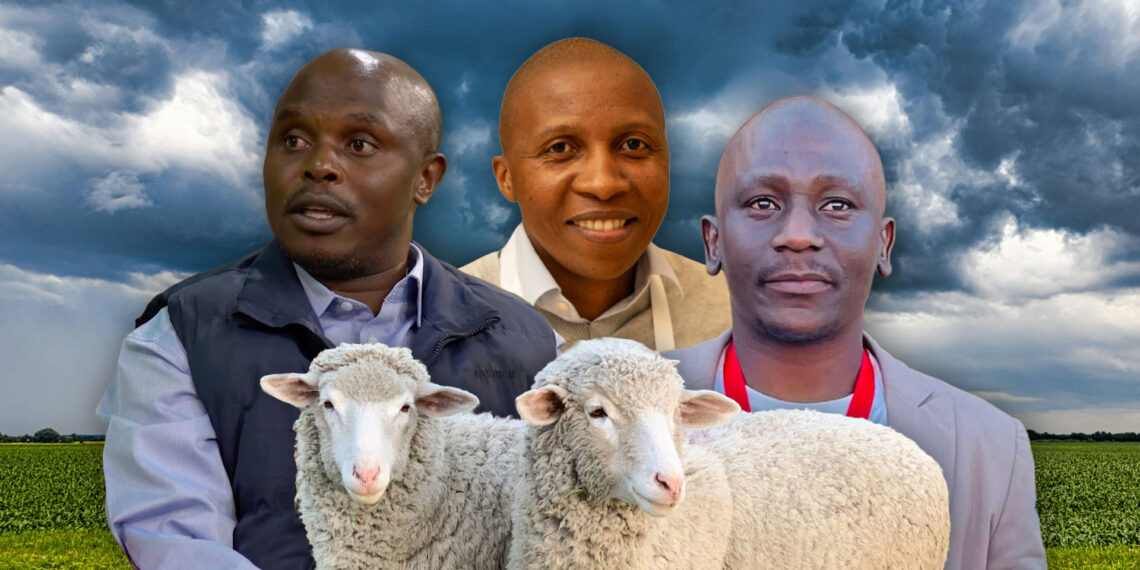
The rainy season has begun, the cold has not yet completely disappeared, and the shearing season is done. Dr Siphe Zantsi, Thokozani Ndonga and Dr Walter Shiba from the Agricultural Research Council (ARC) discuss the importance of providing proper shelter for small-stock animals during this transitional time of year.
In South Africa’s rural areas, small stock, mainly goats and sheep, play a vital role in household food security. They provide nutritious meat and milk, serve as a source of income through the sale of meat, milk, and fibre, and act as a form of financial security for many families who use livestock in place of formal banking systems.
Beyond their economic value, small stock also contributes to agricultural sustainability by producing manure for crop fields and, in some areas, serving as draught animals. Importantly, they hold deep cultural and social significance, featuring in ceremonies and strengthening community bonds through traditional lending and exchange practices.
However, caring for these animals requires attention to several key issues – one of the most critical being shelter. With the arrival of spring rains, while cold spells still occur, farmers need to take extra precautions, especially for goats lambing late in the season and sheep that have recently been shorn.
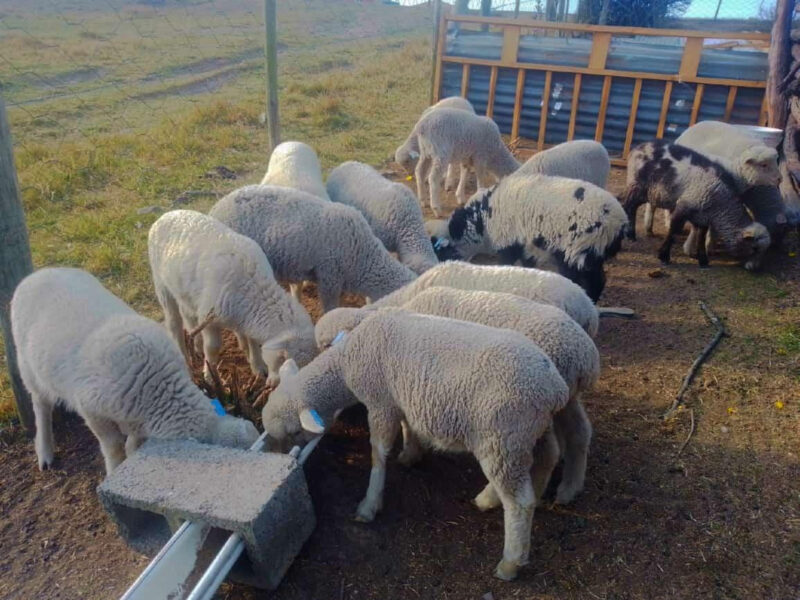
Last year, for example, many farmers in the Ncora area of Cofimvaba in the Eastern Cape experienced devastating losses after a cold front hit shortly after shearing. Some reported losing up to 70% of their flocks, a massive blow for any farmer whose livelihood depends on wool, mutton, and goat sales.
From an economic standpoint, prevention is always better than a cure. The cost of building a simple, sturdy shelter is minimal compared to the potential loss of animals. With climate change causing increasingly unpredictable weather patterns, including unexpected cold fronts, snow, and floods, having reliable protection for livestock is more important than ever.
Related stories
- Drought, rain, disease: Sheep farmers battle climate extremes
- Goat and sheep farmers breed smarter to beat climate stress
- Ask the vet: Mfethu, here’s why your sheep are limping
- Farmers cash in as goat meat gets gourmet makeover
Weatherproof your kraal
Designing a simple, effective shelter
Every small stock farmer should have a secure shelter for their animals. This structure does not need to be elaborate or expensive; just safe, dry, and strong.
Make it waterproof
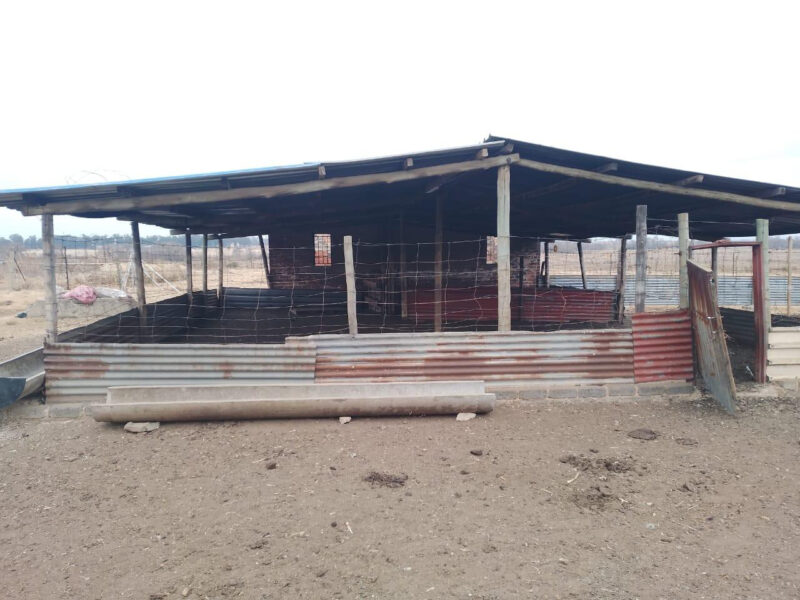
The primary goal is to protect animals from rain. Corrugated iron sheets are ideal for the roof and for the side that faces the prevailing direction of rain.
Use durable materials
Treated poles should be used to prevent rotting and structural failure. Weak or untreated poles can decay quickly and may collapse during strong winds or heavy rain, potentially injuring animals.
Protect against cold and wind
Cover the sides of the shelter with corrugated iron or wooden panels. Leave space between the roof and the walls for ventilation, secured with wire mesh to keep out predators such as jackals and caracals, which are common in rural areas.
Ensure adequate space
The shelter should be large enough for all animals to rest comfortably, including those close to giving birth. A cramped space can cause stress and injuries.
Integrate with the kraal
The shelter should form part of the kraal so that animals can move freely between open and covered areas depending on the weather. This also makes cleaning easier and helps maintain hygiene. Regular cleaning is essential to prevent the build-up of parasites and reduce the risk of foot rot, especially during wet conditions.
A final word
While many small-scale farmers from resource-poor communities may struggle to afford new materials, it is important not to compromise on safety. Instead of buying cheap, thin corrugated iron, farmers can look for second-hand materials that are still strong and durable.
With proper planning and a modest investment, a well-built shelter can save farmers from devastating losses and ensure the health, comfort, and productivity of their small stock through the changing seasons.
- Agricultural economists Dr Siphe Zantsi and Dr Walter Shiba, and animal scientist Thokozani Ndonga are from the Agricultural Research Council. The views and opinions expressed in this article are those of the author and do not necessarily reflect the views or positions of Food For Mzansi.
READ NEXT: Why Kalahari Red goats are winning over SA farmers