Men’s sexual and reproductive health may be awkward to talk about, but there’s a need to do so. For example, about one-sixth of all couples worldwide have difficulty conceiving children, and in half the cases the man’s fertility is part of the problem. In South Africa, nearly 65% of men attending primary healthcare facilities report some level of erectile dysfunction, as do 57.4% of men in Nigeria.
Not only is there a cultural stigma around these issues, there aren’t always enough healthcare professionals and services to help. Consequently, traditional medicine is not just an alternative to “western medicine”, it’s at the frontline in African countries rooted in ancient knowledge. It’s also sustained by necessity.
However, this knowledge is at risk as societies and cultures change.
These traditions can be lost when there is no systematic documentation and cross-cultural analysis of their uses. They have equally been excluded from mainstream medical discourse. Preserving and integrating traditional medicinal practices is critical to safeguard cultural heritage. It also has the potential to unlock new medical treatments and care for people’s overall wellbeing.
We are medicinal plant experts and recently researched the value of medicinal plants for men’s health in South Africa.
We searched various scientific databases for published articles focusing on the use of medicinal plants for male health in South Africa from 1996 to 2023. We identified and analysed 51 eligible studies. We looked at similarities and differences in how the ethnic groups in South Africa treat these health issues, how widely certain plants are used, and the types of health conditions treated.
Our study found that traditional plant remedies reinforce cultural identity and address essential health needs in men. This is even more important where there is limited access to conventional healthcare.
Related stories
- Dandelion: From backyard weed to profitable medicinal plant
- Moringa: Mzansi’s miracle tree takes root
- Explore nature’s pharmacy with these top medicinal plants
However, this knowledge is at risk as societies and cultures change. These traditions can be lost when there is no systematic documentation and cross-cultural analysis of their uses. They have equally been excluded from mainstream medical discourse.
We conclude from our findings that preserving and integrating traditional medicinal practices is critical to safeguard cultural heritage. And that the plants in question should be protected to preserve both biodiversity and cultural heritage.
Indigenous health knowledge
We recorded 337 plants used for male health in rural communities across seven South African provinces.
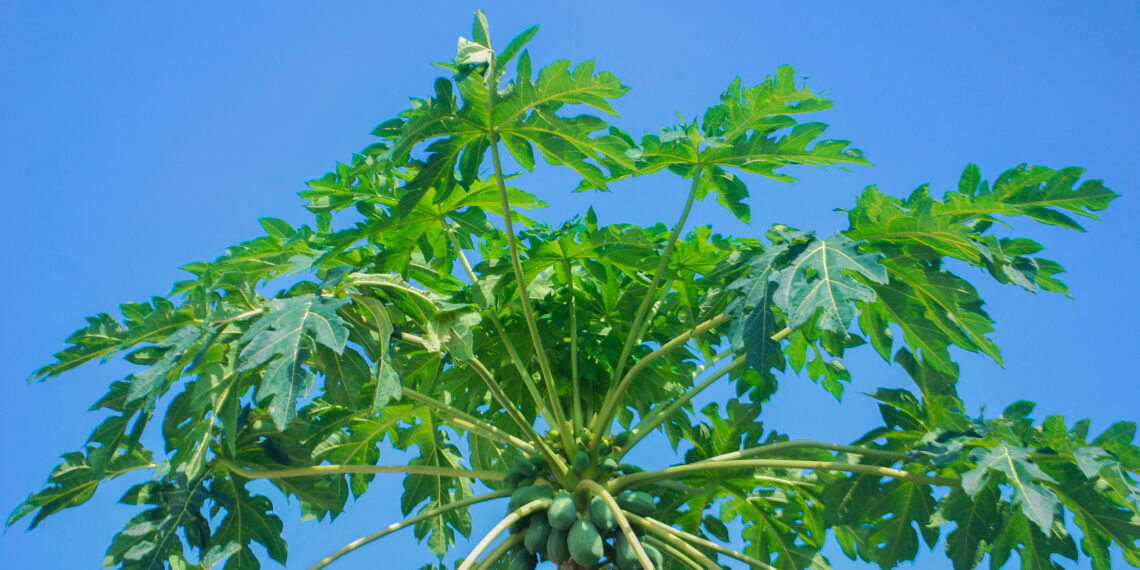
Erectile dysfunction was the most treated urogenital condition, with 133 plants; these plants were also deemed aphrodisiac. Over 250 medicinal plants were used for sexually transmitted infections such as gonorrhoea, HIV, chlamydia and genital warts. Hypoxis hemerocallidea (African potato), Entada elephantina (elephant’s root) and Carica papaya (pawpaw) were the most common plants for managing health conditions affecting men.
African potato was used to treat erectile dysfunction, sexually transmitted infections, prostate enlargement and bladder disorders. Its potential has been shown in a study of its effect on rats. There is a need for further validation studies to see if it could help men.

Some of the studies we reviewed suggest that other natural ingredients in the African potato could contribute to balance hormones and support reproductive function. It also contains compounds that fight germs and reduce inflammation. These indicates potential to help the body defend itself against infections, including sexually transmitted infections and urinary tract infections.
Traditionally, the corm is either boiled or ground into powder and mixed with water or milk to drink. In some practices, preparations are applied to the lower abdomen or groin area to relieve inflammation and improve circulation. Collectively, these bioactive components make African potato a potentially valuable natural remedy for male reproductive and urinary health.
In traditional settings elephant root and pawpaw are used to treat male reproductive conditions such as erectile dysfunction, infertility, prostate enlargement and sexually transmitted infections. Elephant root is valued for its roots, which contain flavonoids, tannins, phenolic compounds, triterpenoids, saponins and glycosides, according to the studies reviewed. These exert antimicrobial, anti-inflammatory, antioxidant and aphrodisiac properties. They support blood flow, hormonal regulation and infection control.
Traditionally, the roots of elephant root are harvested, dried and boiled to prepare a decoction (a concentrated liquid). It is then consumed to treat infections and improve sexual function. In some communities, the powdered root is mixed with water and taken as a tonic, or it’s applied to the body surfaces to relieve inflammation and enhance circulation.
Pawpaw is rich in bioactive compounds such as papain, chymopapain, alkaloids, flavonoids, phenolic acids, tannins, saponins, β-sitosterol and vitamins. They all contribute to improved circulation, reduced inflammation, immune enhancement and reproductive health. Pawpaw seeds and leaves are crushed or boiled to extract active compounds, and administered orally or applied externally to support reproductive health. They are also used to treat sexually transmitted infections.
Looking ahead
This research highlights the value of indigenous knowledge and its preservation. Since it is passed down orally, it can be lost over time. Assessing and documenting the usefulness of these plants will contribute towards preserving biodiversity and cultural heritage, and towards innovation.
Providing scientific validation and credibility for these herbal remedies could stimulate rural economy development and strengthen cultural identity. It could also pave the way for more inclusive and integrated healthcare
It also aligns with the World Health Organization’s Traditional Medicine Strategy (2025-2034). This encourages scientific validation and integration into healthcare systems.
- This article was first published by The Conversation. It was written by Adeyemi Oladapo Aremu, Professor at North-West University, Makhotso Lekhooa, associate professor at North-West University, and Mompati Vincent Chakale, a lecturer at the University of Mpumalanga.
READ NEXT: Agroecology: Make farmers profitable, not poor