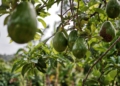
Dubbed the “miracle tree” or “tree of life,” moringa is fast becoming one of South Africa’s most promising multi-purpose crops. Once known mainly in folk medicine, this hardy plant is now celebrated for its nutritional, medicinal, and even soil-enriching benefits.
In an article first published by Health For Mzansi, animal scientist and farmer Olwethu Laho from Cofimvaba, Eastern Cape, has seen the tree’s potential first-hand.
“Moringa is well-adapted to a variety of soil types and thrives in poor soils with little or no fertilisation,” Laho explains. However, he warns that it doesn’t tolerate waterlogged conditions, making sandy loam soils ideal.
Growing moringa is relatively simple. Seeds can be started indoors after being soaked overnight to boost germination. With enough sunlight and careful watering, seedlings quickly establish themselves, making the crop an accessible option for small-scale and commercial growers alike.
Related stories
- How to successfully branch out with moringa farming
- Moringa, more than a medicinal plant
- Agripreneur: Moringa business changes lives of vulnerable villagers
- Agripreneur 101: Meet a moringa supplement producer
Health benefits
Moringa’s value extends far beyond farming ease. Dr Qinisani Qwabe, a sustainable food systems lecturer at the University of the Free State, highlights its ecological role. “Like most trees, it can be used for windbreaks and the prevention of soil erosion,” he says. Its leaves can even be processed into a nutrient-rich fertiliser.
Known for being drought-resistant, deep-rooted, and heat-tolerant, moringa also carries impressive therapeutic properties. From boosting immunity to aiding wound healing, it has long been part of traditional remedies. “Eating moringa seeds is known to help purify the blood and remove toxins,” Qwabe notes.
With its resilience and wide-ranging benefits, moringa is proving to be more than just a crop – it’s a green investment in health, food security, and the environment.
This article was first published on Health For Mzansi and written by Vateka Halile.
READ NEXT: Foundation turns small-scale farmers into food security champions