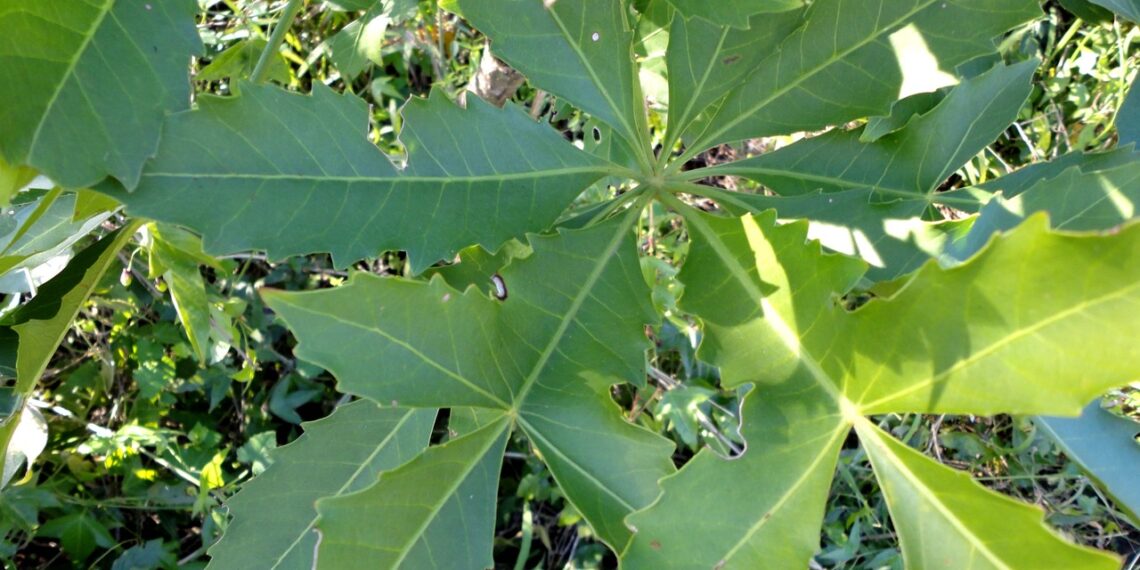
Umsenge is more than just a tree. Growing widely across Mzansi, particularly in KwaZulu-Natal and the Eastern Cape, it plays an important role in local ecosystems, traditional medicine, and agriculture.
Umsenge, or Cussonia spicata, is closely associated with goats, which feed on it wherever it grows, providing a source of nutrition for livestock.
The tree grows naturally in valleys and on mountain slopes. In addition to livestock health, thorny varieties can serve as natural fencing, parts of the plant are used in traditional remedies, and they help protect soil from erosion.
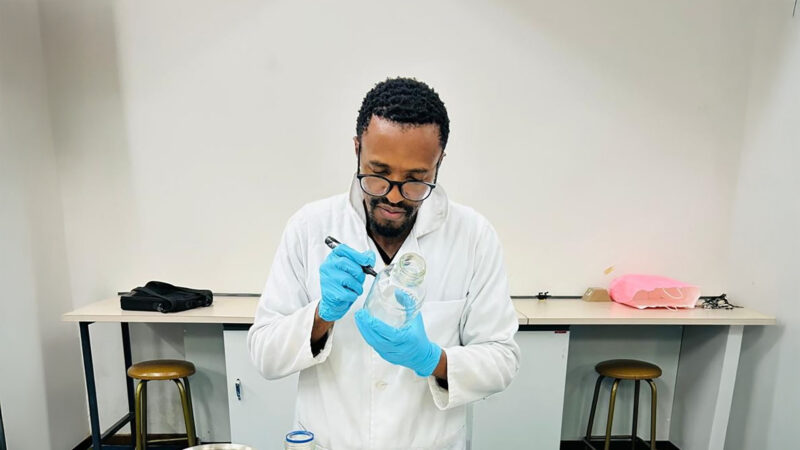
Mzuyanda Vela, a PhD student in ethnobotany from the University of Fort Hare in the Eastern Cape, shares with Food For Mzansi key insights from research on Cussonia spicata, highlighting its medicinal uses and role in local ecosystems.
Vateka Halile: Why is umsenge more than just a tree?
Mzuyanda Vela: Studies have shown that Cussonia spicata/umsenge is a multipurpose medicinal plant with a wide range of health benefits, supporting both its traditional and modern medicinal relevance. Extracts from its roots, bark, and leaves have demonstrated notable antibacterial activity against pathogens such as Staphylococcus aureus, Escherichia coli, and Pseudomonas aeruginosa.
Although traditionally used for malaria treatment, laboratory assays have revealed only modest antiplasmodial activity. Ethnopharmacological reports further highlight its use in treating fever, gastrointestinal ailments, venereal diseases, mental illness, and reproductive conditions, as well as in ethnoveterinary practices for livestock health.
Beyond this, acetone leaf extracts have shown antiviral potential by markedly reducing feline herpesvirus replication, and aqueous extracts have displayed strong acetylcholinesterase inhibition, suggesting possible applications in neurodegenerative disorders.
Phytochemical investigations have identified diverse bioactive compounds such as alkaloids, flavonoids, saponins, tannins, and triterpenoids linked to antioxidant, antimicrobial, and cytotoxic activities.
Related stories
- Medical plants conference highlights healing & profit potential
- How indigenous essential oils can drive jobs, food security
- Seed libraries, food gardens empower Cape communities
How do traditional healers and communities use this plant, and how is that knowledge guiding modern studies?
Traditional healers across southern Africa have long relied on Cussonia spicata to treat a wide variety of ailments, using its bark, roots, leaves, stems, and fruits in remedies for fever, malaria, stomach disorders, venereal diseases, mental illness, wounds, and reproductive complications.
In ethnoveterinary medicine, it is also administered to livestock for conditions such as retained placenta, gastrointestinal parasites, and uterine infections.
This indigenous knowledge system (IKS) has become a foundation for modern scientific studies, particularly in the fields of medicine, agriculture, and environmental management. Rooted in centuries of observation, practice, and oral transmission, IKS provides a valuable framework for identifying plants, remedies, and practices with therapeutic or ecological significance.
The knowledge of traditional healers not only validates the efficacy of traditional remedies but also contributes to guiding modern science in the right direction and accelerates the discovery of bioactive compounds that can be developed into modern drugs.
How can communities be acknowledged and supported to ensure the sustainability of the tree?
To ensure the sustainability of this plant, communities should be acknowledged as custodians of indigenous knowledge and supported through initiatives such as benefit-sharing agreements, cultivation programmes, and community-based conservation projects.
Encouraging local propagation, integrating C. spicata into agroforestry systems, and providing training or incentives for sustainable harvesting can empower communities to maintain its availability.
Recognising their role through intellectual property rights, co-authorship in research, and fair economic benefits can further strengthen community engagement, ensuring that both cultural heritage and biodiversity are preserved.

Does this plant hold potential for developing affordable and accessible medicines in Africa?
Cussonia spicata shows strong potential for developing affordable and accessible medicines in Africa, largely because of its proven pharmacological activities, widespread availability, and deep integration into traditional healing systems.
On the other hand, scientific studies have confirmed that this plant is rich in diverse bioactive compounds, including alkaloids, flavonoids, tannins, saponins, and triterpenoids that are often used as precursors for drug development.
How can research on Cussonia spicata contribute to both health innovation and rural livelihoods?
Research on Cussonia spicata can contribute positively to health innovation and rural households by validating its traditional medicinal uses. It can also support the development of locally produced, affordable treatments, reduce reliance on expensive imported drugs, and strengthen Africa’s healthcare sovereignty.
Further research and clinical trials could help produce safe traditional medicines that meet recognised standards for safety, quality, and efficacy, with standardised dosages that conform to the requirements of the South African Bureau of Standards (SABS).
ALSO READ: Unlocking modern markets for traditional healers