There is clear potential to expand scientific research on Africa’s trees, plants, and natural resources that heal, nourish, and protect environments, experts said at the recent 9th conference of the Society for Medicinal Plants and Economic Development (Somped).
They said strengthening the connection between science and traditional knowledge is considered important for improving health across the continent.
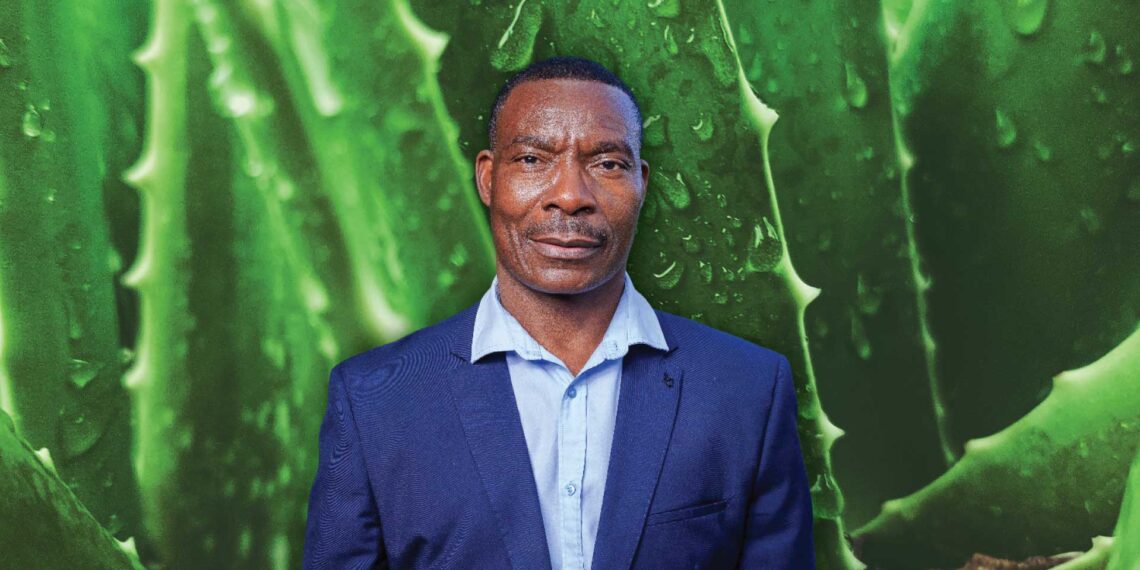
Professor Learnmore Kambizi of the Cape Peninsula University of Technology, who specialises in ethnobotany and phytomedicine, agreed. Food For Mzansi spoke to Kambizi at the conference to get his insights on traditional healing practices and new markets.
The conference, held recently in Johannesburg under the theme “Medicinal plants, innovations for health, climate, and sustainability”, dealt in great detail with traditional healing, which was recognised for its role in treating illnesses across generations.
Vateka Halile: What support systems are needed to help traditional healers successfully access and expand into new markets?
Professor Learnmore Kambizi: There’s a huge opportunity for traditional healers in South Africa, but converting that into sustainable market access requires more than individual skill: it needs coordinated regulatory, business, conservation, technical, and financing systems that protect healers, patients, biodiversity, and cultural knowledge while opening pathways to local and export markets.
Regulatory frameworks to ensure product safety, quality, and certification should be put in place, and intellectual property protection should be addressed to safeguard indigenous knowledge.
I cannot overemphasise the importance of establishing research partnerships with universities for validation and product development. These frameworks help healers expand while preserving cultural integrity.
How can marketing strategies be adapted to promote traditional healing products to urban and international consumers?
Marketing strategies for traditional healing products can include using modern, eco-friendly packaging and clear labelling that highlights natural, safe, and ethical qualities. E-commerce, social media, and influencer partnerships can be leveraged to reach wider audiences. Product certification can help gain trust from users, who in turn may spread the word about a product.
“Scientific validation and fair-trade certifications are also important.”
Picture a health expo where a biomedical researcher presents the chemical compounds of a plant, followed by a healer explaining how communities have used that same plant for centuries. This dual approach legitimises traditional healing in scientific spaces and attracts investors and buyers seeking authentic, culturally grounded health products.
Related stories
- Medicinal plants conference highlights healing & profit potential
- Indigenous crops: The climate-smart superfoods we need
- Farming confidence falls amid FMD and trade concerns
- Sticky food prices push poor households to the brink
How can partnerships with private sector players help traditional healers grow their businesses while maintaining their practices?
Partnerships with private sector players can help traditional healers grow by providing access to funding, marketing platforms, formal training, and distribution networks. These partnerships can also ensure quality control, product standardisation, and wider market reach, while allowing healers to preserve their cultural practices and authenticity.
The relationship between researchers and healers is not always easy. Trust, intellectual property rights, and cultural sensitivity are key challenges. But when mutual respect is established, the results are transformative. Some universities, like the Cape Peninsula University of Technology, have even gone the extra mile to train traditional healers on the sustainable cultivation of medicinal plants.
How can conferences and expos be designed to showcase traditional healing practices in a way that attracts investors and buyers?
Conferences and expos can showcase traditional healing practices by combining cultural authenticity with business appeal. This can be done through live demonstrations of healing methods, product exhibitions, and storytelling about origins and benefits, supported by scientific validation, quality assurance, and case studies.
Structured platforms, like investment panels and networking sessions, can directly connect healers with buyers and investors. Creating professional, culturally respectful, and evidence-based presentations helps attract serious commercial interest while preserving authenticity.
What are the key challenges in commercialising traditional healing products, and how can they be addressed without compromising cultural integrity?
Key challenges include a lack of standardisation and quality control, limited access to finance and markets, intellectual property protection, and risk of cultural exploitation.
These can be addressed by developing community-driven certification systems, ensuring benefit-sharing with healers, fostering partnerships with research institutions, and promoting ethical marketing that respects cultural heritage while meeting regulatory standards.
All things being equal, merging traditional healing markets with modern marketing access, including healers in global conferences, and building strong research partnerships are not just about economic growth.
They are about cultural pride, social justice, and ensuring that our ancient wisdom finds its rightful place in shaping the future of global health.
READ NEXT: Ramaphosa urges regional farming unity at Zimbabwe agri show