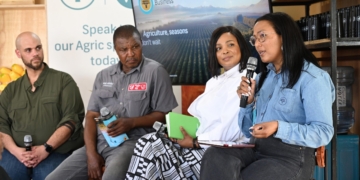
Crop diversification emerged as a key theme at a high-level forum hosted by the Africa-Europe cluster of research excellence in sustainable food systems (CoreSFS) and the University of Pretoria. Leading experts stressed the urgent need to reduce over-reliance on staple crops such as maize in Southern Africa.
Professor Richard Whitfield, director of the Global Food and Environment Institute at the University of Leeds, delivered a compelling presentation on how agricultural transformation must embrace diversification to meet the challenges posed by climate change, food insecurity, and health threats.
Whitfield is co-leading the Food Systems Transformation in Southern Africa for One Health (FOSTA-HELP) programme, a three-and-a-half-year research initiative funded by the European Commission’s Horizon Europe Programme and the UK government. The project spans Malawi, Tanzania, Zambia, and South Africa and explores the interconnected impacts of food system changes on human, animal, and environmental health.
Crop diversification yields results
The initiative features 13 sub-projects and generates 16 scenarios of food system transformation, modelled to predict One Health implications by 2050. A major area of analysis is how shifts in crops and agricultural practices can create healthier, more resilient food systems.
“We’re interested in diversifications away from over-reliance on maize, the primary staple,” said Whitfield. The FOSTA-HELP team is closely monitoring crop transformation dynamics in southern Malawi, Tanga District (Tanzania), central Zambia, and South Africa.
Related stories
- How agriculture can grow through policy, tech and partnerships
- Plant nutrition programme delivers sustainable results
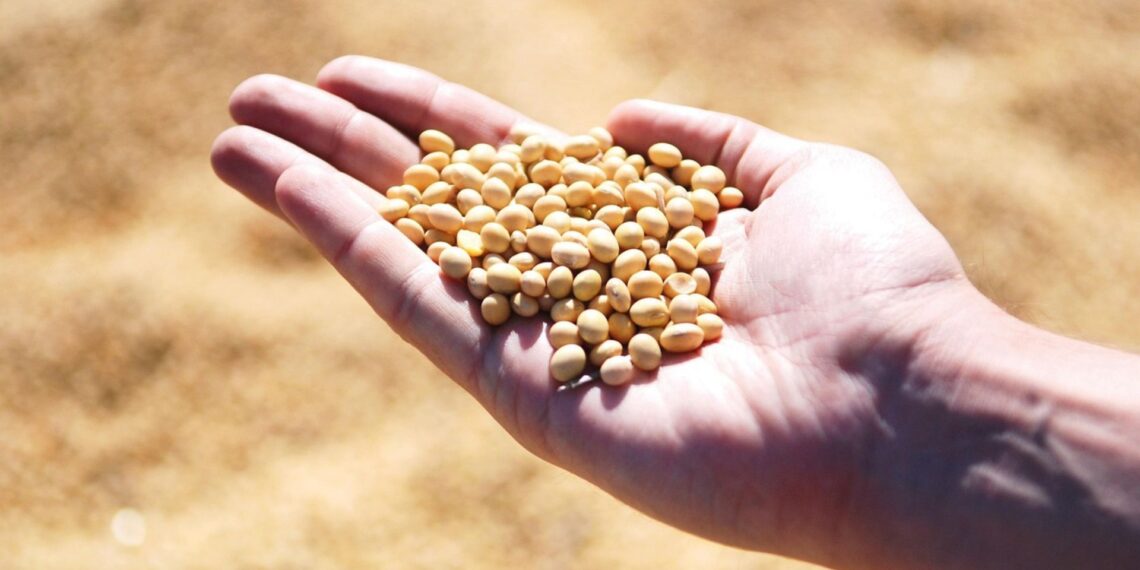
A key example of crop diversification discussed by Whitfield is Zambia’s promotion of soybean cultivation. Under its national agricultural investment plan, the Zambian government is prioritising soybean as a key commodity crop.
“The Zambian government is seeking to more than double soybean production from 2022 levels,” he said.
According to Whitfield, this shift is linked to changing diets and increased demand for livestock feed. Much of Zambia’s soybean is exported to South Africa or processed into value-added products, showcasing how diversification is also tied to broader market and value chain developments.
Diversification also plays a crucial role in building resilience to climate shocks, noted Professor Ndiko Ludidi, dean of the faculty of agriculture and natural sciences at the University of Mpumalanga.
“Even though there is food, it is not accessible to the people. Sometimes it’s not only just a matter of accessibility; there are other factors that play a role. The expectation is that this will be worsened or is already worsened by climate change,” Ludidi said.
Promoting resilient and indigenous crops
Ludidi pointed to scientific projections that warn large parts of southern and western Africa, northern Africa, and southern Europe will become drier, while others will face severe flooding. This puts conventional crops like maize, rice, and wheat at risk.
He advocated for investments in plant breeding, biotechnology, and the use of genetic diversity to strengthen food security. He made a strong case for growing alternative crops that are better suited to withstand climate variability.
“One way is to look at what crops we currently grow, what is their relevance to human nutrition, and also what genetic resources we have access to from those crops that can be tailored for adaptation to climate change,” Ludidi said.
He highlighted crops such as sorghum, bambara groundnut, finger millet, and lablab, noting their superior resilience and potential role in strengthening regional food systems.
READ NEXT: InteliSeed integration strengthens InteliGro’s crop solutions
Sign up for Mzansi Today: Your daily take on the news and happenings from the agriculture value chain.