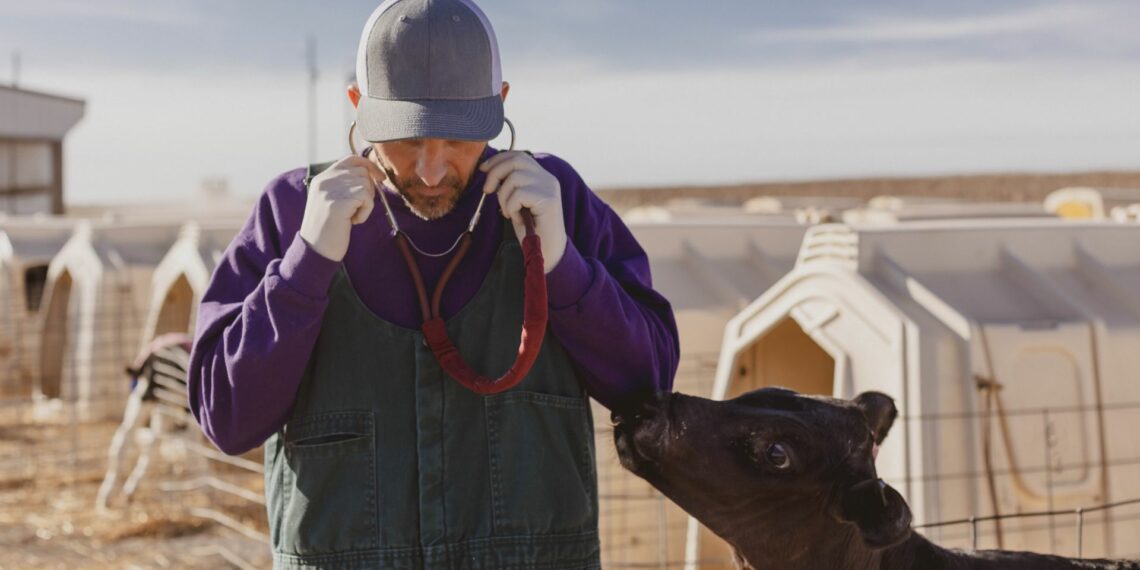
They are the guardians of our furry companions, the silent protectors of our food chain, and even play a role in safeguarding public health. Yet, in South Africa, veterinarians – considered essential workers – are facing a dire shortage that threatens the well-being of animals and humans alike.
Jaisheila Keshav, head of animal health at Boehringer Ingelheim in South Africa, emphasises the critical role veterinarians play: “Veterinarians are essential health workers and must be regarded as an integral part of health at large. The application of veterinary science contributes not only to animal health and well-being, but also to humans’ physical, mental and social well-being.”
This often unseen impact extends far beyond the vet clinic. Veterinarians safeguard our food supply by ensuring the health of livestock, prevent the spread of zoonotic diseases (diseases transmissible between animals and humans), and even contribute to the development of new drugs that benefit both animals and people.
Shortage threatens food security and animal welfare
However, a looming crisis threatens this vital profession. South Africa faces a severe shortage of veterinarians, with only 60 to 70 vets per million people. This falls far short of the international norm of 200 to 400 veterinarians per million. To make matters worse, a significant portion (around 50%) of young vets are considering emigrating.
This shortage isn’t solely due to a lack of graduates. A recent global survey commissioned by Boehringer Ingelheim from Kynetec paints a concerning picture. The survey, which included over 1 000 veterinarians across the US, Japan, UK, France, Brazil, and Germany, revealed a worrying lack of appreciation for the profession.
Only 49% of pet-focused veterinarians in the survey felt valued by pet owners. This sentiment extended to livestock and equine vets, with only 55% and 42% respectively feeling appreciated by animal owners. This lack of recognition, coupled with the demanding nature of the profession, is taking a toll on veterinarians’ mental health and work-life balance, prompting many to consider leaving the field altogether.
The consequences of this potential exodus are far-reaching. Veterinarians play a critical role in ensuring food security. They monitor the health of livestock, diagnose and treat diseases, and oversee meat packing plants to guarantee safe food for human consumption. A shortage of vets could disrupt these crucial processes, jeopardising the nation’s food supply.
Related stories:
- SAVC calls for veterinarians on critical skills list
- ‘Veterinarians can help to improve food security’
- Silent struggle: Mental health crisis grips SA’s veterinarians
Furthermore, veterinarians are at the forefront of the fight against zoonotic diseases. Rabies, foot-and-mouth disease, and other zoonotic illnesses can have devastating consequences for both animals and humans. Veterinarians play a vital role in preventing outbreaks, controlling the spread of these diseases, and protecting public health.
The impact extends beyond immediate threats. Veterinary research contributes significantly to the development of new drugs and treatments. Many medications used in human medicine were first developed for animals. A shortage of veterinarians could stifle research efforts, hindering progress in animal and human healthcare.
“The current vet shortage is a potential crisis for both animal health, and food safety and security,” warns Keshav.
Empowering professionals amidst challenges
Boehringer Ingelheim, a global leader in animal health, is committed to supporting South African veterinarians. Through their Veterinary Public Health (VPH) Centre, they partner with health authorities, governments, and NGOs to provide vaccines and control solutions for government-regulated transboundary and emerging diseases like foot-and-mouth disease and rabies.
However, Keshav acknowledges the limitations: “We can’t produce more vets for the country, or do much about the challenges they face directly.”
Their focus, therefore, lies in empowering existing veterinarians. Boehringer Ingelheim offers cutting-edge technologies and access to the latest advancements in veterinary science. The company also work towards raising awareness of the often unseen and multifaceted aspects of veterinary work.
READ NEXT: ‘Fruit industry ripe for growth, needs govt policy reform’
Sign up for Mzansi Today: Your daily take on the news and happenings from the agriculture value chain.