Saturday, September 5, 2026
SUBSCRIBE
22 GLOBAL MEDIA AWARDS
Food For Mzansi
  • News
  • Changemakers
  • Lifestyle
  • Farmer’s Inside Track
  • Food for Thought
No Result
View All Result
  • News
  • Changemakers
  • Lifestyle
  • Farmer’s Inside Track
  • Food for Thought
No Result
View All Result
Food For Mzansi
No Result
View All Result
in Weird & Wonderful

Weird crops we could be eating in future

What would we do if popular crops are no longer available? It's not such a stretch, because food systems have been under threat due to environmental factors. The solution might lie in lesser known drought-resistant crops

by Lucinda Dordley
14th September 2022
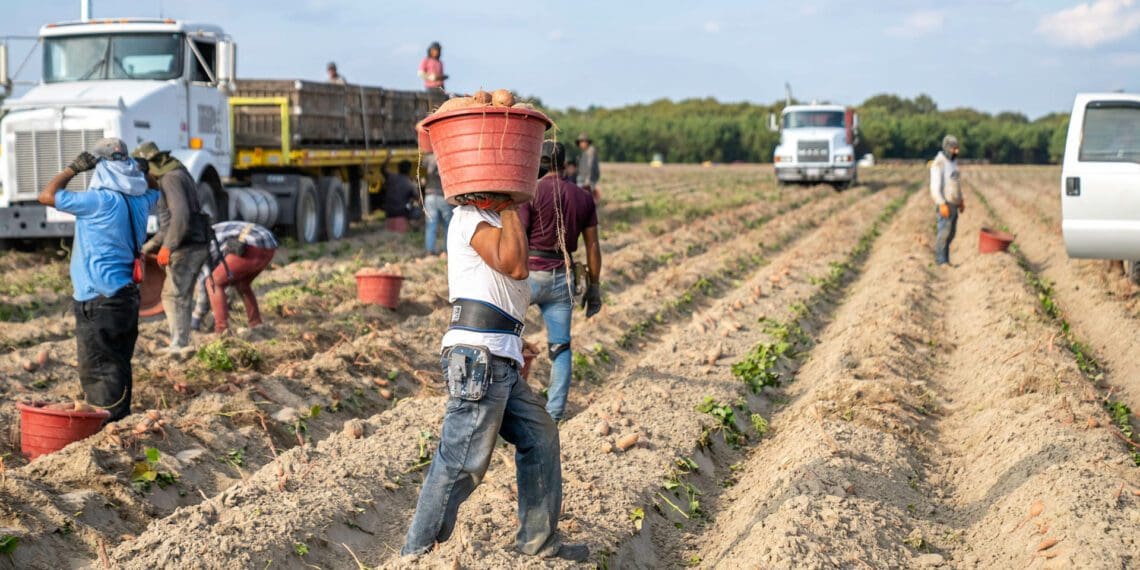
There are many drought-resistant crops to be found in South Africa. Photo: Pexels

There are many drought-resistant crops to be found in South Africa. Photo: Pexels

Share on FacebookShare on TwitterShare on WhatsApp

The global food system has been in a tenuous bind since the onset of the conflict between Russia and Ukraine. This has resulted in sanctions against Russia, who were known as a prime wheat exporter. Combined with the longstanding threat of climate change and it’s impact on crop growth, our diets may look a little different in the next few decades.

More countries, such as Botswana, are leaning towards creating greater food security for their residents. For some, this means banning imports of specific crops from other countries.

More research is being conducted into climate resilient crops. Essentially, these are crops that are typically drought-resistant, as Sub-Saharan Africa is one of the parts of the globe most impacted by increasing temperatures due to global warming.

We look at some lesser-known crops we may be eating in the next few decades:

Morama beans

These are a type of legume that can be found in southern Africa. They are native to the Kalahari desert, and can also be found in South Africa, Namibia and Botswana.

In South Africa specifically, they are bounteous in Limpopo, Gauteng, the Northern Cape, and North West. These beans are a rich source of protein, and are naturally cholesterol free.

“Morama is a good source of micronutrients such as calcium, iron, zinc, phosphate, magnesium, and B vitamins including folate,” according to research via Science Direct.

Enset (false banana)

False banana is a crop that is popular in Ethiopia, and is drought-resistant. Photo: Pixabay
The false banana is a crop that is popular in Ethiopia, and is drought-resistant. Photo: Pixabay

This crop is known for its drought-resistant qualities, and is a relative of the banana. It is called “false banana” because the two look similar, with enset growing smaller and denser.

In South Africa, the flowering plant thrives in the warm Limpopo province. It is also found in the tropics of Africa and Asia, as well as New Guinea. There are a reported 25 different species of enset in the genus, and only one species that is unique to South Africa.

It produces pulp, pea-sized peas and roots that can be eaten. Its seeds are popularly eaten in famine-struck countries such as Ethiopia.

“The seeds are also used as beads, and to make rosaries or rattles in East Africa. The leaves can be used for thatching and the stalk to make fibres for cordage and sacking,” according to SANBI.

Amaranth

Amaranth is also called foxtail, and is abundant in South Africa. Photo: Supplied/SANBI

Amaranth is considered an “ancient grain”, and this means it has remained relatively unchanged or modified through means such as selective breeding.

The grain is rising in popularity as more South Africans pay attention to including indigenous crops in their diets. It is a good source of plant-based protein, and is also iron-rich, according to Dr William Janse from the Agricultural Research Centre (ARC).

Hyacinth bean (lablab)

The purple hyacinth bean is commonly used in animal fodder, and the mature bean is poisonous when consumed by people. Photo: Pixabay

The hyacinth bean is an annual legume that is known for imparting nitrogen into soil, improving its overall quality.

In South Africa it is known as a protein that is often added to livestock fodder, but there is one drawback to the consumption of this bean. It can only be consumed when young, because the mature or dried beans are considered poisonous for human consumption. As the bean matures, it produces cyanogenic glucoside levels, which acts as a poison when ingested.

So don’t discount these crops, with climate change hammering on our doors, it might just become our saving grace.

ALSO READ: Podcast: Food expert promotes indigenous vegetables

Sign up for Mzansi Today: Your daily take on the news and happenings from the agriculture value chain.

Lucinda Dordley

Words and people: these have been Lucinda's only two passions from a very young age. As soon as she found out that journalism was the perfect marriage of the two, she knew it was what she had to be. She has worked in many spheres within journalism, including crime and human interest news, lifestyle, and tech for publications such as The Cape Argus, Fairlady Magazine, Cape Town Etc, Getaway Magazine and Popular Mechanics. In her spare time, she can be found with a book in hand or chatting to someone to find out what their story is.

Tags: Climate changedrought-resistant cropsindigenous crops
How Tebogo beat post-harvest losses with smart agro-processing
Farmer's Inside Track

How Tebogo beat post-harvest losses with smart agro-processing

by Patricia Tembo
2nd September 2026

What began in 2016 as a modest backyard garden to feed local families in Kgomo Kgomo has blossomed into an...

Read moreDetails

Aucamp outlines strategy for biosecurity, trade, and infrastructure

2nd September 2026
Tobias Doyer, CEO of Grain SA. Photo: Supplied/Grain SA Facebook

Rising costs, climate risk push Swartland wheat farmers to the brink

2nd September 2026
Sick spuds: No need to panic as SA’s potatoes are banned in Zim

Potato turning point ahead as onions double in price year-on-year

1st September 2026
Early calf care: Key growth targets every cattle farmer must track

Early calf care: Key growth targets every cattle farmer must track

1st September 2026

Water rights alone won’t fix inequality in SA commercial farming

This week’s agri events: 31 August – 03 September

Strategic support sparks record-breaking growth at WC grape farm

Early calf care: Key growth targets every cattle farmer must track

Potato turning point ahead as onions double in price year-on-year

Join Food For Mzansi's WhatsApp channel for the latest updates!

JOIN NOW!
Next Post
Dr Caren Hauptfleisch, chairperson of the SA Association of Registered Phytotherapists (SAARP) highlights some of the benefits of indigenous South African herbs and how they can be used to prevent and treat illness. Photo: Pixabay

Use of Mzansi’s medicinal plants on the rise

THE NEW FACE OF SOUTH AFRICAN AGRICULTURE

With 21 global awards in the first six years of its existence, Food For Mzansi is much more than an agriculture publication. It is a movement, unashamedly saluting the unsung heroes of South African agriculture. We believe in the power of agriculture to promote nation building and social cohesion by telling stories that are often overlooked by broader society.

Farmers rethink water use as shortages threaten food production

Honoured roots: A father’s legacy, a daughter’s farming dream

Gauteng farmers urged to harness massive urban market

Foot-and-mouth crisis hits SA dairy industry with R1-billion loss

Tough times, hardy cattle: Why Mzansi farmers are choosing Nguni

Dragon fruit thrives in KZN valley despite tough national season

  • Awards & Global Impact
  • Our Story
  • Contact Us
  • Cookie Policy
  • Privacy Policy
  • Copyright

Contact us
Office: +27 21 879 1824
News: info@foodformzansi.co.za
Advertising: sales@foodformzansi.co.za

Contact us
Office: +27 21 879 1824
News: info@foodformzansi.co.za
Advertising: sales@foodformzansi.co.za

  • Awards & Global Impact
  • Our Story
  • Contact Us
  • Cookie Policy
  • Privacy Policy
  • Copyright

Chat Options

I'm Lerato, your AI assistant!
No Result
View All Result
  • News
  • Changemakers
  • Lifestyle
  • Farmer’s Inside Track
  • Food for Thought

Copyright © 2024 Food for Mzansi

This website uses cookies. By continuing to use this website you are giving consent to cookies being used. Visit our Privacy and Cookie Policy.