South African farmers are moving into the latter part of the 2025/26 summer production season with cautious optimism, as climate forecasts increasingly signal generally favourable rainfall conditions across much of the country’s summer rainfall regions.
According to the South African Weather Service (SAWS), the El Niño–Southern Oscillation (Enso) is currently in a neutral phase but is gradually shifting towards a weak La Niña.
Most forecasts indicate that this La Niña event is likely to be mild and short-lived, developing during mid- to late summer. Historically, La Niña conditions raise the likelihood of above-normal rainfall over the north-eastern parts of South Africa, with many summer rainfall areas expected to benefit from improved rainfall during late summer and early autumn.
While rainfall typically tapers off in the north-eastern regions during mid-autumn, some central parts of the country are still expected to receive above-normal rainfall. In contrast, SAWS forecasts below-normal rainfall for the southern and eastern coastal areas during autumn, despite these regions usually receiving substantial rainfall during this period.
Related stories
- Wet summer ahead: prepare for hail, floods and crop risks
- Good weather & more extension officers top farmers’ 2026 wishlist
- Farmers welcome rains amid weather warnings
- La Niña brings wet weather till autumn, but flood risks loom
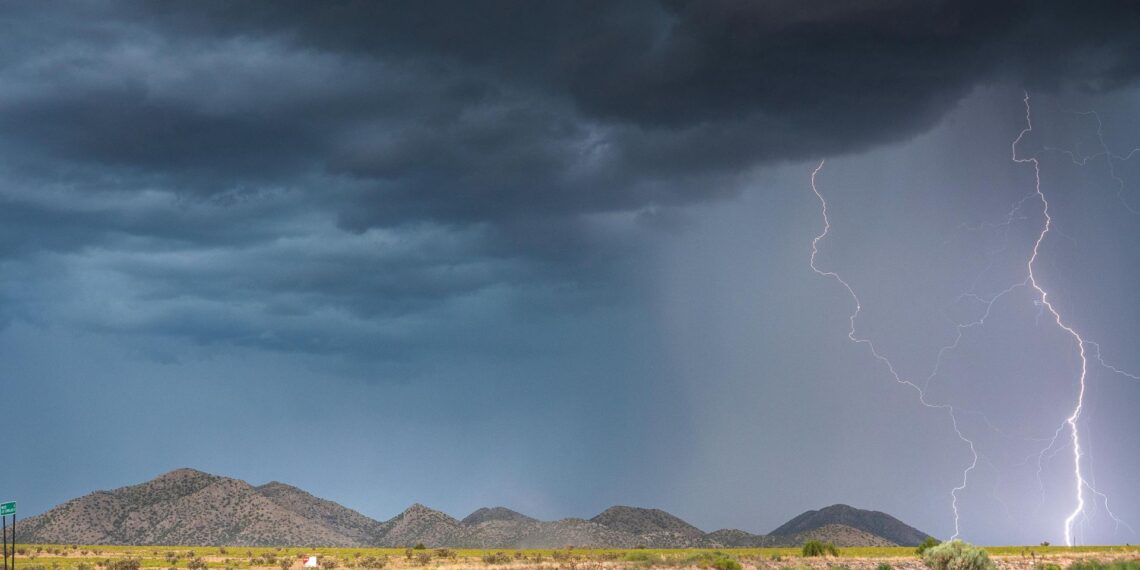
A persistent low-pressure system is currently affecting the north-eastern regions, bringing significant rainfall. SAWS has issued impact-based severe weather warnings, including orange level 9 and orange level 6 warnings for disruptive rainfall over eastern Limpopo and Mpumalanga for the coming weeks.
Hannelee Doubell, manager of communications at SAWS, said farmers needed to look out for their livestock as there could be a potential for them being swept away by heavy rains.
Above-normal rainfall into early autumn
Temperature projections indicate that minimum temperatures are likely to remain above normal across most of South Africa for the rest of the summer season. While maximum temperatures may fluctuate in late summer and early autumn, they are expected to be above normal across most regions by mid-autumn.
Seasonal outlooks from the SAWS Seasonal Prediction System, based on international multi-model ensembles, reinforce expectations of above-normal rainfall probabilities across much of the summer rainfall region between January and May 2026. These forecasts offer important guidance for planning across key agricultural production areas.
“Above-normal rainfall during late summer and early autumn is expected to boost surface runoff into dams and reservoirs, supporting improved water storage levels in summer rainfall regions. However, SAWS cautions that these conditions may also heighten the risk of flash flooding, particularly in flood-prone areas, low-lying bridges and regions with poor drainage,” Doubell said.
Agbiz perspective: Cautious optimism for 2026
From an agribusiness perspective, the evolving climate outlook continues to underpin cautious optimism for the 2026 production year, Agbiz chief economist Wandile Sihlobo noted.
“We continue to receive encouraging reports on the prospects for La Niña-induced rainfall during the 2025-26 summer season. Most regions of the country have received excellent rain since the start of October. Soil moisture has improved notably across various areas of the country. Better rainfall prospects are beneficial not only to field crops but also to the livestock and horticulture subsectors,” Sihlobo said.
He said farmers in the southern and eastern coastal regions, where below-normal autumn rainfall is expected, are advised to manage soil moisture and water resources carefully.
“Across all regions, producers are encouraged to prioritise soil and water conservation, maintain effective drainage systems, invest in water harvesting and storage, and remain alert to increased pest and disease pressure associated with wetter conditions,” he said.
Dept advises good livestock management
The department of agriculture has reinforced the importance of preparedness and adaptive management in its Agriculture on Climate Advisory for the 2025/26 summer season.
“With the seasonal forecast in mind, farmers are advised to follow the weather and climate forecasts regularly to make informed decisions and wait for sufficient moisture before planting. In addition, farmers must continually conserve resources in accordance with the Conservation of Agricultural Resources Act 1983 (Act No. 43 of 1983),” the department stated.
The advisory also highlighted the importance of sound livestock and veld management. “Livestock should continually be kept in balance with the carrying capacity of the veld.
“Farmers are further advised to provide additional feed and relevant licks to livestock to avoid mortalities. Furthermore, livestock should be provided with enough water points on the farm, as well as shelter during bad weather conditions.”
READ NEXT: Gen Z farmer’s rapid rise to supplying Joburg Market