Rabies remains a serious but preventable disease, with implications for farmers, farmworkers, livestock, pets and surrounding communities.
Understanding how the virus spreads, recognising potential warning signs and maintaining routine vaccination are important steps in reducing the risk on farms.
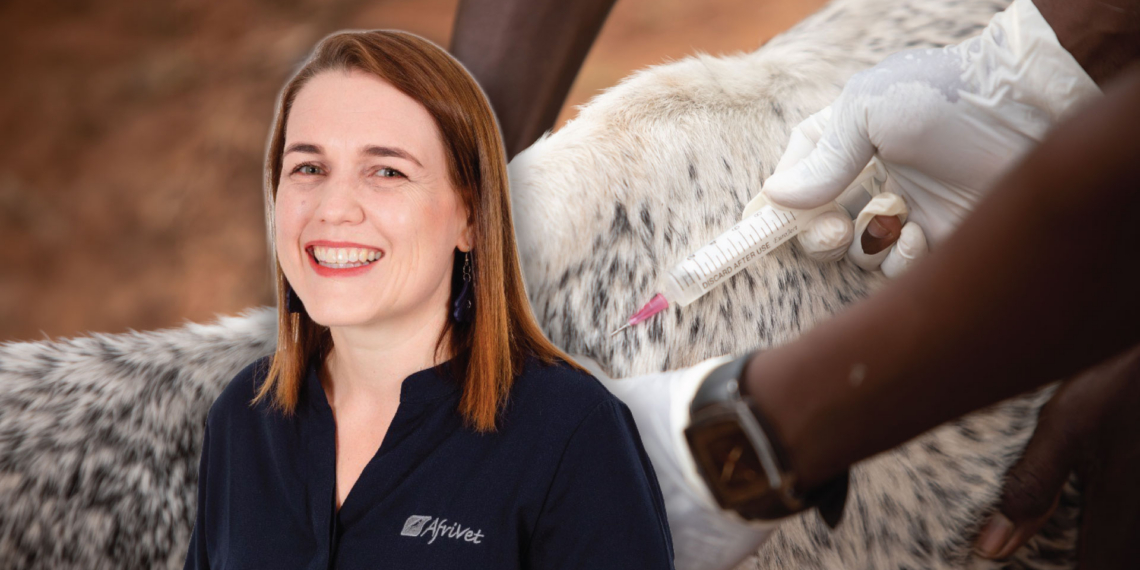
To mark World Rabies Day, Food For Mzansi spoke to Dr Didi Claassen, South African Veterinary Association (SAVA) representative and specialist veterinary pathologist and agribusiness executive, about rabies prevention and what farmers need to know.
Claassen explained how rabies spreads in farming environments, the precautions that should be taken when dealing with suspected cases, the importance of vaccination, and common misconceptions that could place people and animals at risk.
She also highlights the importance of a one health approach, with farmers, veterinarians, medical professionals and communities all playing a role in preventing rabies.
Patricia Tembo: What is rabies, how does rabies typically enter and spread through a farming environment. Which animals are most commonly involved in the transmission of rabies in South Africa?
Dr Didi Claassen: Rabies is a viral disease that mainly affects mammals. The virus spreads when infected saliva enters the next person or animal via a bite, a scratch or a mucous membrane.
The most important animal in the spread of rabies to humans is the domestic dog. However, in the farming community, the wildlife cycles also play a role. Jackals, mongooses, etc. can bite and infect cattle, sheep, goats, horses, dogs and cats. The same applies to what dogs or cats would do with the same species.
In South Africa, dogs and cats play the biggest role when it comes to human health and should remain the main focus.
Related stories
- Hardship forged Sihle’s passion for animal health
- El Niño: Livestock farmers need financial buffers, not just forecasts
- Four simple records every smallholder livestock farmer should keep
- African swine fever: Why early reporting protects pig farmers
Is there any safe way for farmers to examine or handle an animal suspected of having rabies?
You will have to wear personal protective equipment (PPE): gloves, overalls, an apron, a mask and a visor or safety goggles.
It is best to keep an eye on a suspected rabid animal and notify the state vet and police or welfare organisation to deal with the animal. Their behaviour can be unpredictable; thus, it is better to have professionals handle the situation.
If the suspected rabid animal was killed, please wear the PPE discussed above. Triple-bag everything and wash and disinfect properly afterwards.
How important is routine rabies vaccination for farm dogs and cats, and should livestock also be vaccinated?
It is law in South Africa for dogs and cats to be vaccinated against rabies. It is the best way to protect people and animals.
In high-risk areas where rabid cattle are commonly reported, for example, North West province, due to encounters with wildlife, the farmer can acquire rabies vaccine from their vet to add these vaccinations to their herd vaccination programmes.
What are some common misconceptions about rabies that could put farmers or farm workers at risk?
- That it is only a wildlife disease. Dogs and cats are affected, as well as domesticated livestock.
- That the vaccine will make their dogs slow. The vaccine is a killed vaccine with minimal side effects.
- That animals are always aggressive. Some animals have the dumb form and can appear normal.
- That wild animals become tame and tame animals become wild. Wild animals do not become tame; they can still be aggressive but lose their fear of humans. Tame animals can become very aggressive, but, as stipulated, they can be very docile too.
- That you only need to seek medical attention once you show rabies symptoms. This is very wrong – once symptoms ensue, 99.9% of people will die.
This year’s World Rabies Day provides an opportunity to raise awareness about rabies. Why is rabies prevention a one health issue involving farmers, veterinarians, public health authorities and communities?
We all play a role in the prevention of rabies. Pet owners need to bring their animals for vaccination, and livestock owners need to know if they are in high-risk areas where supplementary vaccination is needed.
The veterinary sector is involved in vaccinating animals to prevent disease and investigating suspected rabies animals to determine if the people involved need post-exposure treatment.
Medical professionals are available to categorise wounds and work with vets in risk assessments to determine what post-exposure treatment the people involved will need and then to administer it.
If everyone plays their part, we will be able to eradicate human deaths due to canine rabies by 2030.
READ NEXT: Maize surplus eases feed costs, but fuel and drought threaten gains