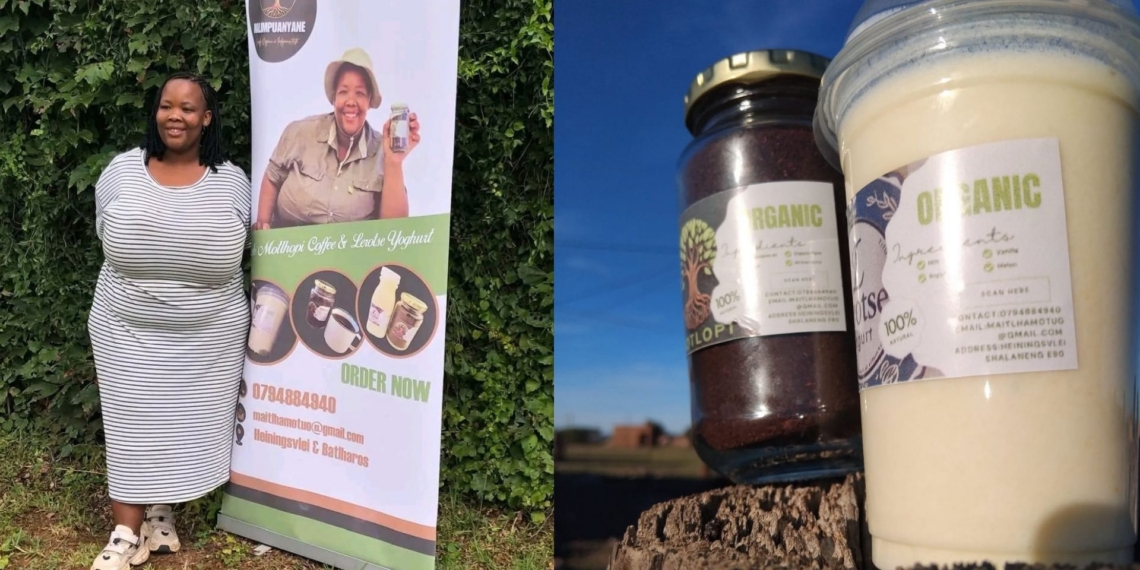
As a little girl, Irene Dioka of Makhubong Heuningvlei in the Northern Cape learned from her grandmother how to process motlopi (Boscia albitrunca), a traditional root coffee deeply rooted in the region. Years later, she founded Malimpunyane-21, a 100% natural brand from Kuruman built in her grandmother’s memory.
Her grandmother, Thushoyaone Pitso, raised her. However, after her death, Dioka moved to a children’s home when she was nine, carrying those memories with her.
Dioka also suffered another devastating loss when her baby died shortly after birth in 2021. She had been hoping to build a family of her own, and the loss left her searching for something that could reconnect her with who she was.
Memories turned into purpose
Her thoughts turned to motlopi: the walks she took with her late grandmother, and the process of turning the roots into a finished product.
She recalls that her uncle Kapulele Dioke harvested motlopi roots, and her grandmother processed them. Through her grandmother’s business, she also learned how to work with people.
“I wish she was still here to see how far I have come in business. Her passion, love and care shaped me, and I carry that with me years after her death.”
Years later, Dioka worked for the department of environmental affairs as a waste picker. When she lost that job, she returned to the villages.
There she remembered how motlopi had once contributed to her grandmother’s household income. She also thought about lerotse melon and how her grandmother made jam from it, as well as yoghurt from fresh milk.
“One day, I didn’t have syrup and wanted to bake rusks, so I used the jam instead. It turned out really well.”
She says, “That made me realise I could work with indigenous plants and create an income without taking too much from nature. That is when I started seeing that nature could give me a business.”
Related stories
- Traditional medicinal plants offer hope for men’s health
- Medicinal plants conference highlights healing & profit potential
- De Bruyn’s butternut brew turns coffee on its head
- Chemistry meets creativity in Neo Mokhomo’s soya candle brand
Keeping tradition alive
For Dioka, quality begins long before a product reaches the customer. It starts with sourcing ingredients from trusted local harvesters and small-scale growers who understand the land and harvest responsibly.
“Quality first. It must be 100% natural, with no chemicals. It must be clean and fresh. I check how it is harvested and dried myself,” she says.
Dioka wants customers to know they will get the same quality every time while keeping prices fair for the people who harvest her ingredients and accessible to the customers who buy her products.
“I build long-term relationships, not just one-time buying.”
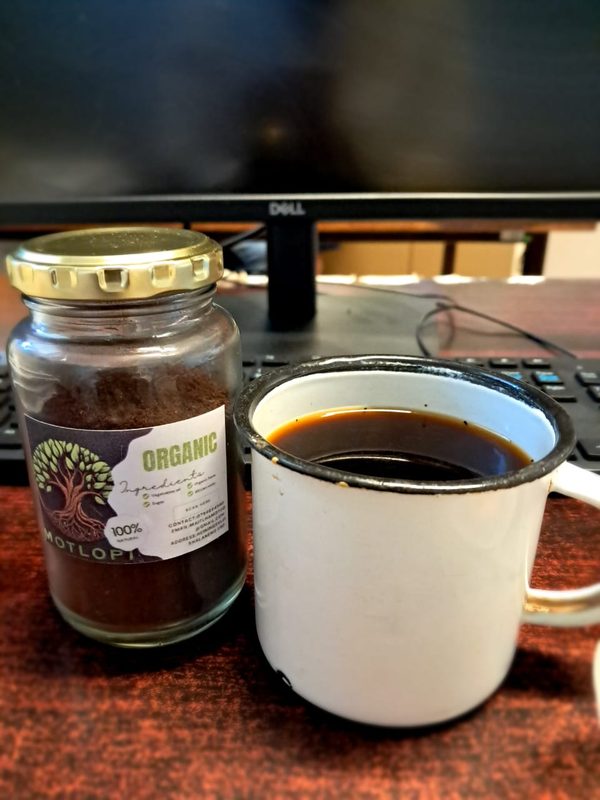
That approach matters especially for her motlopi coffee, which she says connects her products to the Northern Cape’s roots and traditions. The coffee is still prepared using traditional methods, including sun drying and roasting over an open fire.
“It is 100% natural, caffeine-free coffee made from indigenous roots from the Northern Cape. We dig it, wash it, peel it, crush it with stones, sun-dry it and roast it on fire. No chemicals, no caffeine. Just health in a cup.”
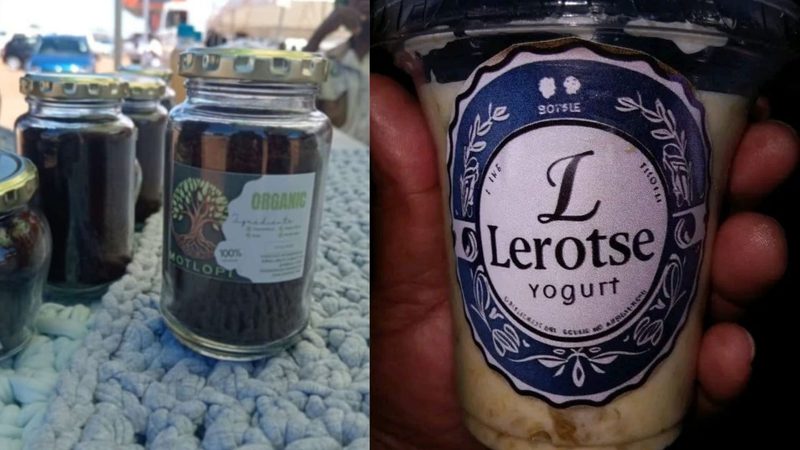
The same focus on simple, natural ingredients extends to her lerotse yoghurt and jam. The yoghurt combines indigenous melon with goat milk, while the jam is made from melon and sugar. Dioka handpicks the melons during their season and processes them without preservatives or colourants.
For Dioka, the products are not simply about selling food. They represent a way of turning indigenous knowledge and ingredients into income while keeping the traditions she grew up with alive.
The next step: Growing her market
Dioka says building the business has taught her that indigenous products cannot be treated as ordinary commodities.
“The biggest lesson is that story and trust sell more than price. Natural, handmade and indigenous products have value,” she says.
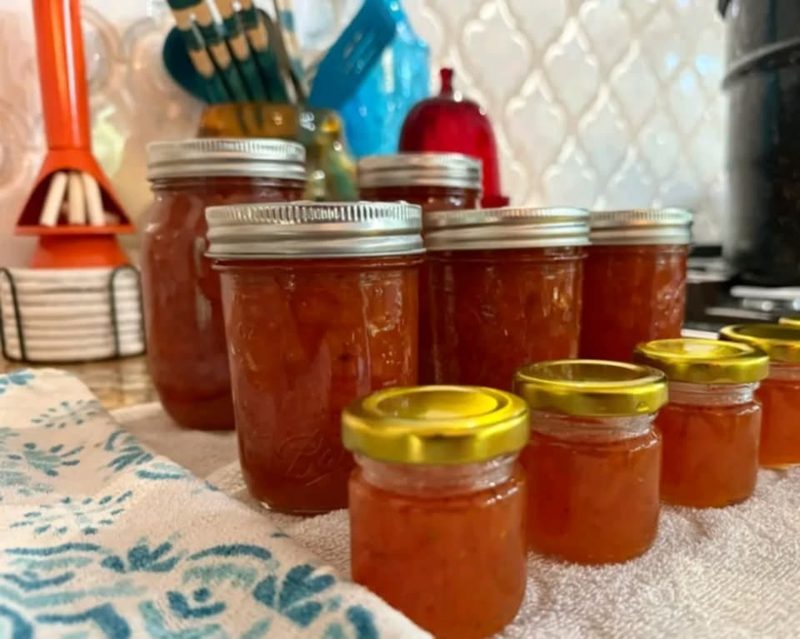
Her focus now is on strengthening the business, from improving her packaging and processes to getting her products tested through Seda and putting the necessary paperwork in place.
Dioka hopes these steps will help her move from selling at local markets and through word of mouth to reaching a wider market, while keeping the traditional knowledge and local communities behind her products at the centre of the business.
Tips for aspiring entrepreneurs:
- Keep your ingredients short and pure: People trust simple products. They are tired of chemicals.
- Handpick your ingredients and work with small-scale farmers: Quality starts in the field, not in the factory.
- Cook seasonally and store smart: Don’t wait for the season to make money. Preserve your harvest properly and process throughout the year.
- Safety first. Use glass bottles and boil them to seal: Good packaging helps your products last longer and look professional.
- Tell your story by word of mouth: Customers don’t just buy jam; they buy you, your hands and your honesty.
READ NEXT: Why Africa’s medicinal plants are the next big agricultural export