The latest Absa AgriTrends report has just launched and highlights how global forces are increasingly affecting market prospects.
One major theme that resonates throughout the report? South African agriculture is increasingly dancing to global tunes. “Global dynamics are calling the shots,” says Food For Mzansi co-founder Ivor Price following an in-depth interview with Absa agricultural economists Marlene Louw, Nkhensani Mashimbyi, and Zama Sangweni.
The analysts confirm that political and market decisions halfway across the globe increasingly has a direct impact here at home: from global trade wars to climate variability heightened levels of uncertainty is the new normal, and make no mistake, the climate game is still changing whether we like it or not.
Click here to download the Autumn 2025 edition of the Absa AgriTrends report for free.
Trumponomics: The storm brewing overseas
In the aftermath of the US political whirlwind, “Trumponomics” is making waves that reach all the way to South Africa. With the US’s erratic tariffs and shifting policies, South African agriculture is facing an uncertain future.
The report dives into the heart of it: “US tariffs have already begun to affect trade with some of our biggest partners. The stakes are high, and we are feeling the pressure.”
The ongoing US-China trade tensions aren’t making it easier, especially for the grain and oilseed sectors. “We’re also in a cycle of softer commodity demand from China, and this is weighing on global prices,” the report notes.
But South Africa has been somewhat shielded from lower global prices, due to the adverse weather. Despite a potential maize crop coming just over 14 million tonnes in 2025, the outlook remains cautious. “Even with a bumper crop, prices aren’t likely to return to export parity levels.
Click here to download the Autumn 2025 edition of the Absa AgriTrends report for free.
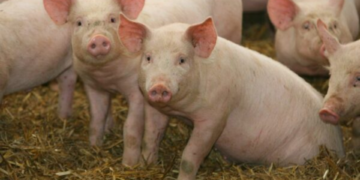
Livestock’s struggle to stay profitable
Livestock farmers aren’t getting a break either. High feed prices and unpredictable weather have taken a toll on profitability. The pressures of 2024 haven’t fully worked themselves out,” says the report, explaining that while demand picked up, it wasn’t enough to outweigh the increased supply from a drought-stricken 2024.
The second half of 2025 could see some reprieve, as interest rates and cost of living pressure, such as fuel prices ease/ Which would improve industry sentiments that have been building since mid-2024 due to good performance or recovery in numerous high-value export orientated industries.
“With weather patterns shifting from El Niño to La Niña, we could see increased competitions from other Southern Hemisphere exporters in key markets… As an example, South Africa may face heightened rivalry, particularly in the European citrus market, as Egypt citrus export volumes expand.
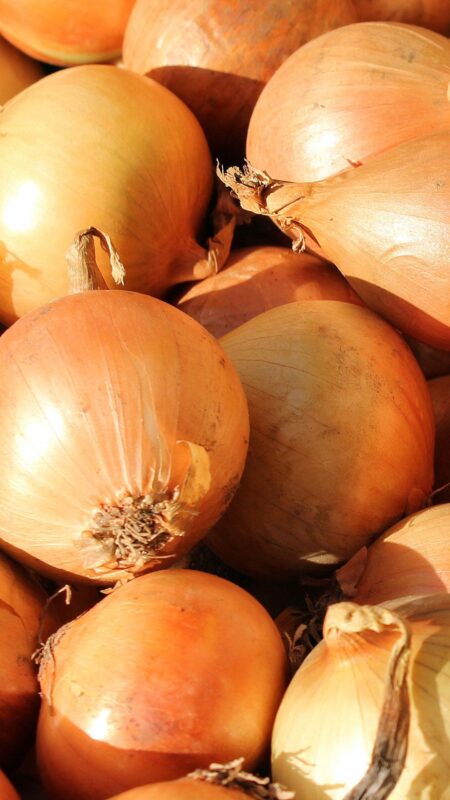
Onions and potatoes face price pressure
In the vegetable market, the shine has faded. While onion prices were sky-high in 2023 due to a global shortage, they’ve dropped considerably. “Lower input costs are offering some relief, but margins are still tighter,” the report notes.
This could impact planting decisions for the year ahead, with farmers holding back on planting more to balance out profitability.
The report also brings attention to the growing importance of carbon in agriculture. “Carbon measurement and reporting are becoming essential parts of business decisions,” the Absa AgriTrends report says, highlighting the collaboration with Blue North to help producers understand the carbon landscape and unlock potential value.
The Autumn edition of the AgriTrends report concludes with a view on the spirit in which the document is released: “From tariffs to currency fluctuations, it’s clear that agricultural stakeholders will need to be adaptable, strategic, and ready to weather any storm.