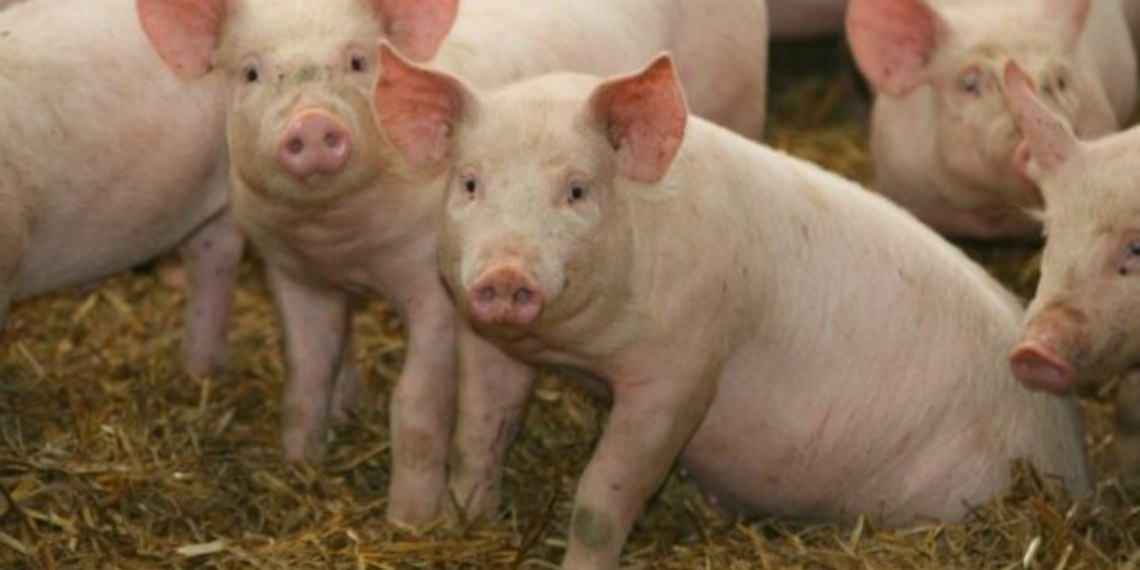
After facing its most demanding year in terms of animal health, the pork industry has yet to fully recover from disease outbreaks such as African swine fever (ASF) and foot-and-mouth disease (FMD).
This was shared at the South African Pork Producers’ Organisation (Sappo) during the recent annual meeting at the Silverlake Farm Hotel in Pretoria. Sappo explained how farmers are adapting to what seems like the new norm.
In the statement, Sappo said the industry has worked tirelessly to handle the 17 FMD incidents that occurred in commercial piggery units. The organisation issued about 20 000 FMD vaccines that were also distributed and recorded on its World of Pork digital platform.
Strengthening systems against FMD
“The outbreak brought about changes in ways of managing the spread of FMD. The revised control measures of Section 9 were published around July of the previous year.
“The partnership between Sappo, Kwanalu and the Red Meat Producers Organisation assisted in settling fees to move livestock in disease management areas and keep them alive,” Sappo stated.
Related stories
- SA pork industry holds firm amid disease threats
- SA pork prices plunge amid local market surplus
- Biosecurity is now a make-or-break for pork producers
- Pork prices rise as disease outbreaks tighten supply
Chief executive officer of Sappo, Dr Marlene Louw, said they used the outbreaks to strengthen their systems against FMD.
“We chose not to let a crisis go to waste. We moved from arguing for proportionate, risk-based control measures to implementing them, to adapting our systems for a reality in which producers farm with ongoing FMD risk. The industry that comes out of this year is more resilient than the one that went in,” she said.
According to Sappo, the disease outbreak affected pork import prices, and this led to awareness campaigns.
“Sappo has conducted mentorship programmes to support small-scale farmers and producers; these farm visits and mentorship contributed to biosecurity and improved the pass rate to 70%.
“The academy recorded about 131 completed modules, and the Agri SETA gained business skills training, also a leadership programme, completed at Stellenbosch Business School.”
READ NEXT:Tough times, hardy cattle: Why Mzansi farmers are choosing Nguni