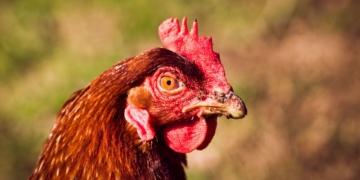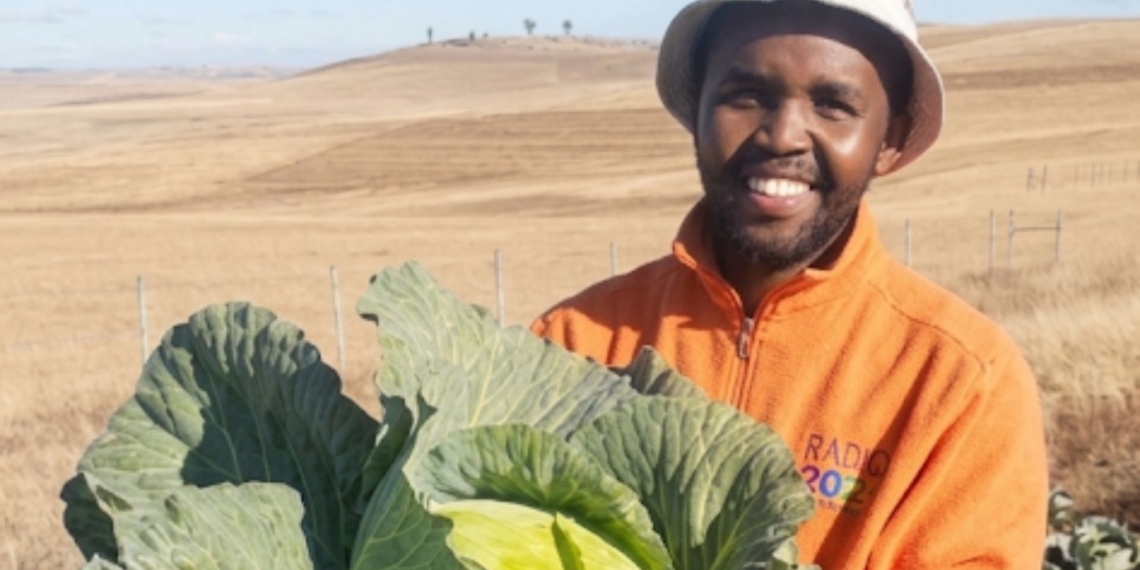
By turning local poultry demand into a sustainable business model, Eastern Cape entrepreneur Siphosethu Sydney Nxibelo is demonstrating how strategic planning, continuous learning, and adaptability can turn modest beginnings into a multi-faceted agricultural operation.
Born in the Lugxogxo area of Mthatha, Nxibelo completed his early schooling at Lugxogxo Junior Secondary School up to grade 3, before moving to Isalathiso Primary School in Mossel Bay, Western Cape, for grades 4 to 7. He later returned to Mthatha to attend Zingisa Comprehensive High School, matriculating in 2009.
His tertiary studies took him to Nelson Mandela University (NMU) in the Eastern Cape in 2010, where he graduated in 2015 with a diploma in building sciences. During his varsity years, spending time with friends studying agriculture sparked his initial curiosity in farming.
He also tested his entrepreneurial appetite during his third year, partnering with campus peers Amanda Mazwi, Ezra Puza, Ntaba Nlanda, and Avela Potwana to run a campus tuckshop.
“During our third year, owning a campus tuckshop at NMU with my friends presented us with many business challenges, while giving us a valuable opportunity to learn,” Nxibelo recalls.
Nxibelo entered the public sector as an intern for public works in Port Elizabeth from 2015 to 2016. Following his internship, he pivoted and secured a school governing body (SGB) teaching post at Elliot High School, teaching grade 4 to grade 6 learners while actively researching prospective business opportunities.
“The capital to start the business came from my teaching post, which also gave me the space to research what type of business I could launch,” he explains.
Related stories
- Palesa proves small-scale farming can feed communities, retailers
- Rising from storm loss: Sinethemba Gebashe’s egg triumph
- Pivot to poultry: Jennifer Gazide swaps boardroom for broiler house
- Farming bootcamp propels Unicha Dladla’s path to growth
Self-funding, early trade, and entering the poultry market
Nxibelo initially considered entering livestock production, but the high risk of theft and delayed financial returns made it unfeasible for a start-up venture.
To generate start-up capital, Nxibelo first launched a small trading business in Elliot, sourcing colourful socks from Gauteng to sell with sneakers. Combining those retail earnings with savings from his teaching salary, he officially launched his poultry venture in 2017.
“Poultry was the answer because of the variety of products I could offer, such as eggs, chicks, and chickens for slaughter,” Nxibelo says. “It also required lower startup infrastructure compared to livestock and other farming ventures.”
He financed his initial backyard setup with 50 chickens, basic equipment, and feed. Operating as the sole owner of a private company presented early hurdles.
“The biggest challenge at the beginning was experience, as I was learning while producing. Pricing my products was also a challenge.”
Formal registration, scaling, and funding
Nxibelo formally registered his business as Sydney Consult in 2018. Following the Covid-19 pandemic in 2020, he transitioned into running the enterprise full-time alongside his first employee, Wonga Mkhohliwa.
The formalisation of the business opened access to key development funding and support, including backing from the National Youth Development Agency (NYDA), the Eastern Cape Development Corporation (ECDC), and the Small Enterprise Development and Finance Agency (Sedfa).
Participating in SAB’s 18-month Fetola Tholoana Enterprise Development Programme marked a vital milestone in refining his operational clarity for Sydney Consult.
“Being part of the programme helped me to better understand entrepreneurship and gain clarity on what I am trying to achieve and who I am serving,” Nxibelo notes. “It also allowed me to network with mentors and fellow entrepreneurs.”
Diversifying production across five hectares
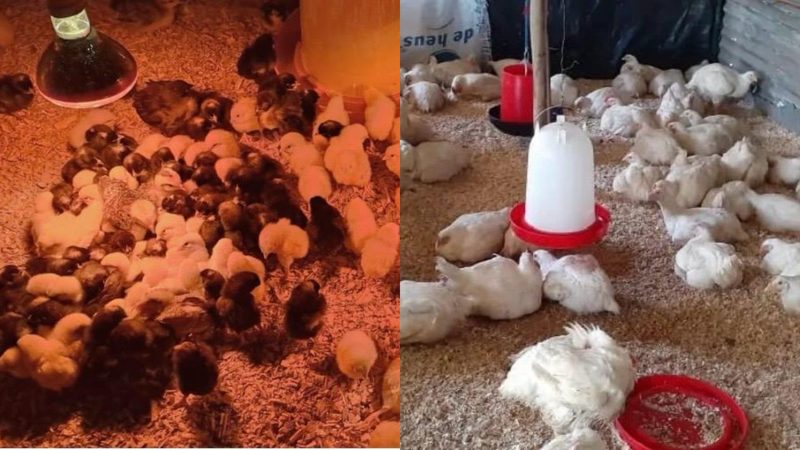
Sydney Consult now operates across five hectares of owned and leased communal land. Production has expanded significantly from 50 chickens to producing 500 broilers per cycle and operating commercial incubators that hatch between 2 000 and 8 000 day-old chicks per cycle, alongside 200 to 500 three-to-five-week-old chicks for local farmers.
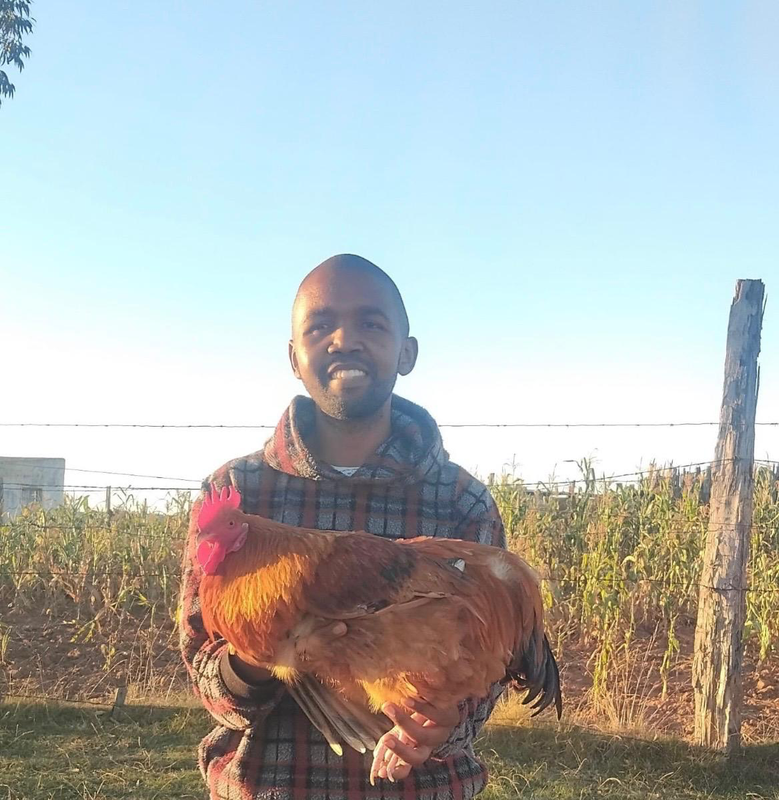
To ensure steady cash flow, Nxibelo also added firewood sales to his product range.
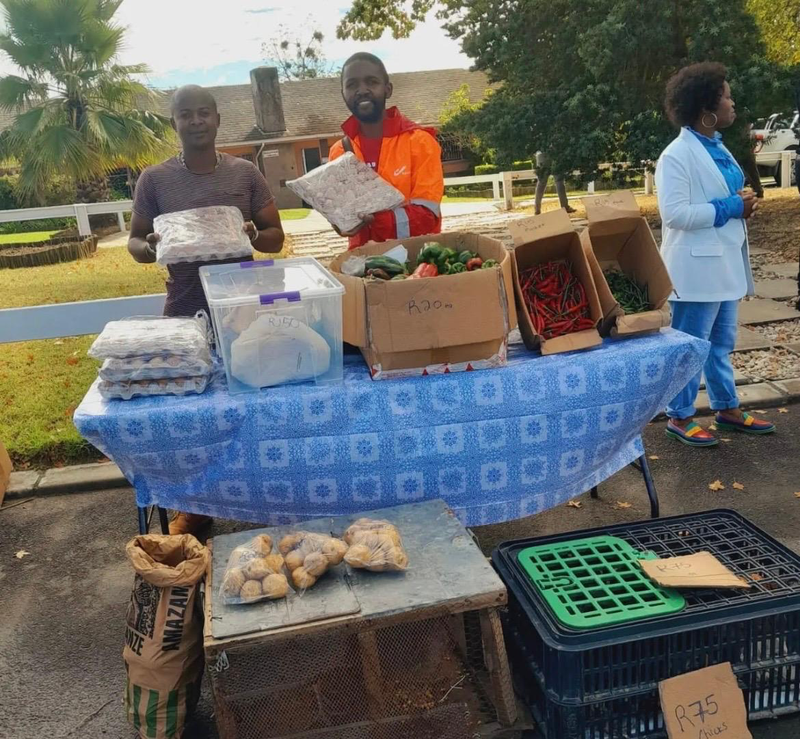
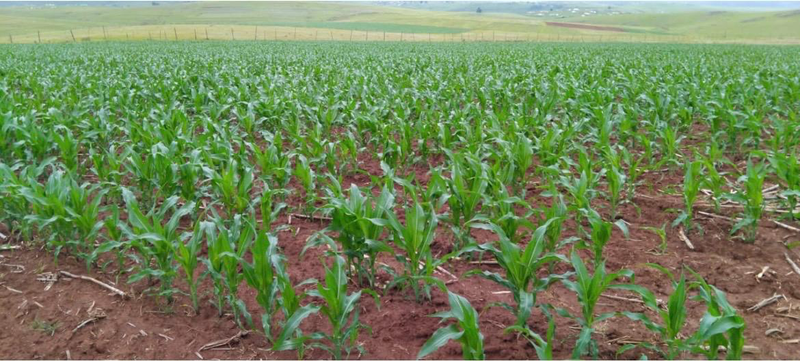
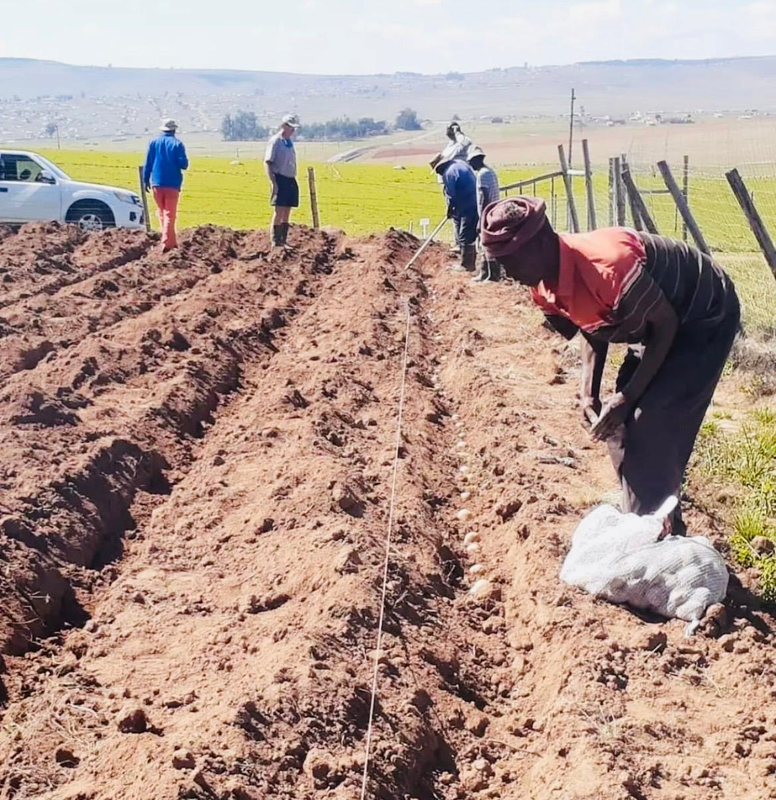
Beyond poultry, the enterprise utilises four hectares for crop and grain farming. This includes cultivating a variety of vegetables such as peppers, baby marrow, spinach, beetroot, and potatoes, alongside three hectares of red maize through the Nonyikashe Cooperative. Through Sydney Consult, Nxibelo also provides agricultural consulting, online classes, and farm visits for emerging farmers.
The farm now employs four permanent workers and hires between four and seven part-time workers based on seasonal demand. Products are supplied to nearby schools, including Jumba High School and Lugxogxo JSS; local producers; and commercial clients such as Jimmy Pork, Spur Timberlake, and local fresh produce retailers.
Addressing infrastructure gaps and setting goals
Expanding onto communal land has brought new operational challenges, particularly the absence of piped tap water. “For us, this means we have to haul or purchase water for farming,” Nxibelo said.
Adequate fencing and poultry housing also remain pressing infrastructure priorities. “Because we operate on communal land, infrastructure like fencing is our biggest challenge, along with building proper chicken houses that are environmentally friendly and user-friendly.”
Looking ahead, Nxibelo aims to establish a trusted production benchmark across the OR Tambo District and the wider Eastern Cape.
“Our goal is to ensure people throughout the OR Tambo region have access to our chickens and chicks,” Nxibelo says. “Ultimately, we want to make free-range chickens available across the entire province and set a benchmark for production methods.”
Reflecting on his journey, Nxibelo emphasises that realistic expectations, practical training, and continuous learning are essential for surviving in commercial agriculture.
“Farming is hard, and it is even harder for those who want to turn it into a growing business,” Nxibelo cautioned. “Practical training should be your first investment before starting, along with being realistic about the products you want to produce, because substantial capital is needed to sustain such an enterprise. Network with people who are already doing the type of farming you want to pursue, and never stop learning.”
READ NEXT: Booberries campaign brings breast health to Checkers shelves