Women farmers need more than access to finance to build sustainable agricultural businesses. They also need sound financial management, viable markets, strong teams and a clear understanding of how and when to grow.
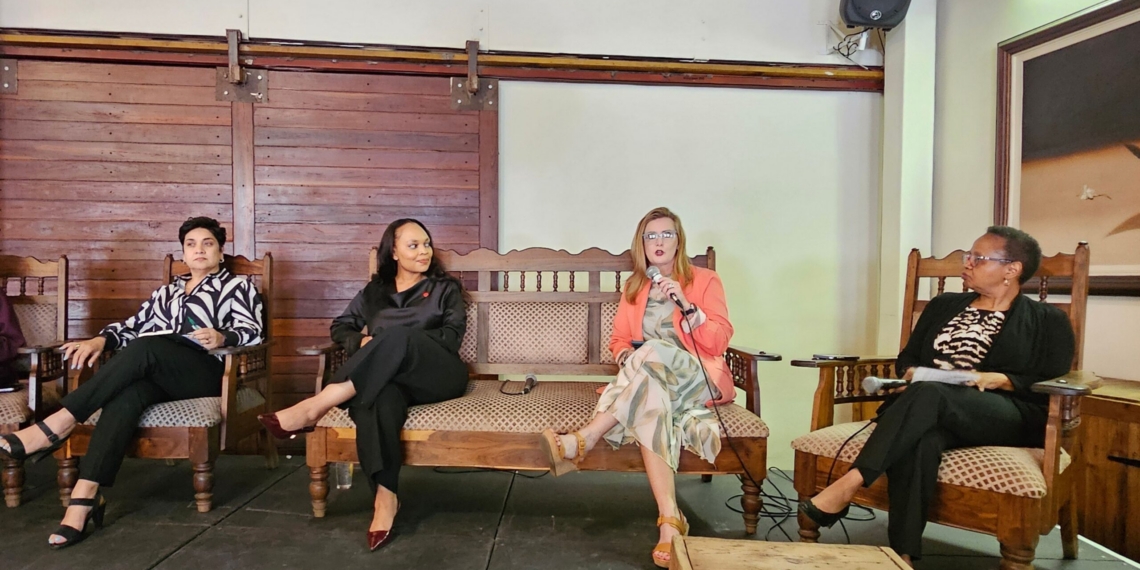
That was a key message from panellists during the “Growing sustainable businesses: Finance, risk and impact” discussion at Food For Mzansi’s Soul To Soil women’s event held recently in Centurion, Gauteng.
The panel explored practical ways women-led agricultural businesses can access capital, manage risk and build sustainable enterprises.
Empowering one another
Zama Sangweni, agricultural economist at Absa, cautioned farmers against choosing financing simply because it is available.
“One of the mistakes I’ve come across is incorrect structuring, using the wrong financial tool for your business objectives,” she said.
A farmer making a long-term investment, for example, should not rely on short-term financing that may place unnecessary pressure on cash flow.
Related stories
- The business of farming: How to make your farm bankable
- Four steps to formalise your farm and unlock finance
- Agri leaders urge farmers to think beyond production
- Proper planning is the blueprint for agricultural success
“Correct structuring is extremely important,” Sangweni said, adding that farmers should maintain an open and transparent relationship with their bank so that financial solutions can be aligned with their business goals.
She also warned against expanding too quickly.
“We love growth. However, growth needs to be phased correctly. Farmers should map out where they want to grow and ensure that expansion does not result in over-commitment. Businesses that scale gradually and strategically are better positioned to remain competitive,” she advised.
Make your business bankable
For Nomsa Daniels of Agricultural Development Agency (Agda) financial services, preparation should begin before approaching a lender.
“Before you approach a lender, it’s important to really understand your business,” she said.
Farmers need to identify whether they require working capital, asset finance, production finance, equity, or short- or long-term debt. The appropriate funding can also change as a business moves from start-up to commercial scale.
Daniels said farmers must also understand the requirements of their chosen funder. “Know your business, know your funder, and demonstrate that you have a market.”
Good financial records, separation of personal and business finances, and evidence of sound financial management can strengthen a funding application.
Farmers should also keep operational records such as yields and production data. This information can help lenders understand how the business operates and potentially identify growth opportunities.
Start with the market
Juanita Pardesi, CEO of Seriti Institute NPC, reinforced the importance of understanding the broader value chain.
Sharing an example from Dielpan in North West, she described a rural community with land and water but limited access to markets. Rather than encouraging everyone simply to produce more, the development approach looked at opportunities across the agricultural ecosystem.
“Don’t just produce, but figure out what your market is first,” Pardesi said.
She pointed to opportunities beyond primary production, including shared cold storage and machinery services.
The approach helped the community develop a range of enterprises, with Pardesi reporting that 91% of the community is growing its own food, 74% is selling services and 60% had moved beyond stipends to running businesses. The community had also secured two off-take agreements worth R1 million each.
Build the team, not just the farm
Beatrix de Witt, CEO of Agri Manage Solutions, reminded farmers that sustainable growth cannot depend on one person.
“No business is a one-man show. You have a team who works with you,” she said.
Farmers need to understand their teams’ capabilities and empower employees to take ownership of their roles. For women in agriculture, De Witt said the road to success often involves considerable work behind the scenes.
“We make it look so easy, but nobody understands what it takes to be here,” she said.
Her message to women was ultimately one of agency and confidence: farmers should recognise their own capacity, build supportive networks and take ownership of their path to success.
READ NEXT: Growing women’s role in agriculture demands urgent land access