Just one important aspect of joining the South African hospitality industry, on taking up a food and beverage job, is doing your reading about food loss and waste – a global issue that is also affecting South Africa says Charles Edelstein of Executive Placements.
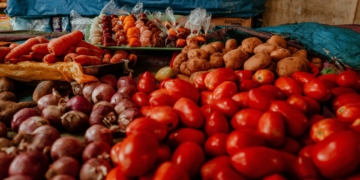
According to the Department of Science and Innovation (DSI) and the Council for Scientific and Industrial Research (CSIR), a volume of 10.3 million tonnes of food and beverages is wasted each year in our country. This, the researchers advise, is approximately a third of all food that is available for consumption.
Joining the hospitality industry requires a calling to serve others; serving others is the foundation on which this demanding, yet highly rewarding, profession rests, reveals the International Journal of Hospitality Management research paper “The impact of living a calling on job outcomes”.
But as you dispense that award-winning sparkling wine into crystal flutes, or carry those caviar-topped salmon starters to table in one of South Africa’s world-renowned restaurants, it is impossible to forget the 9.34 million people just outside it’s doorways who suffer from acute food insecurity; and the 20 percent of households who have inadequate access to the nourishing food that they sorely need.
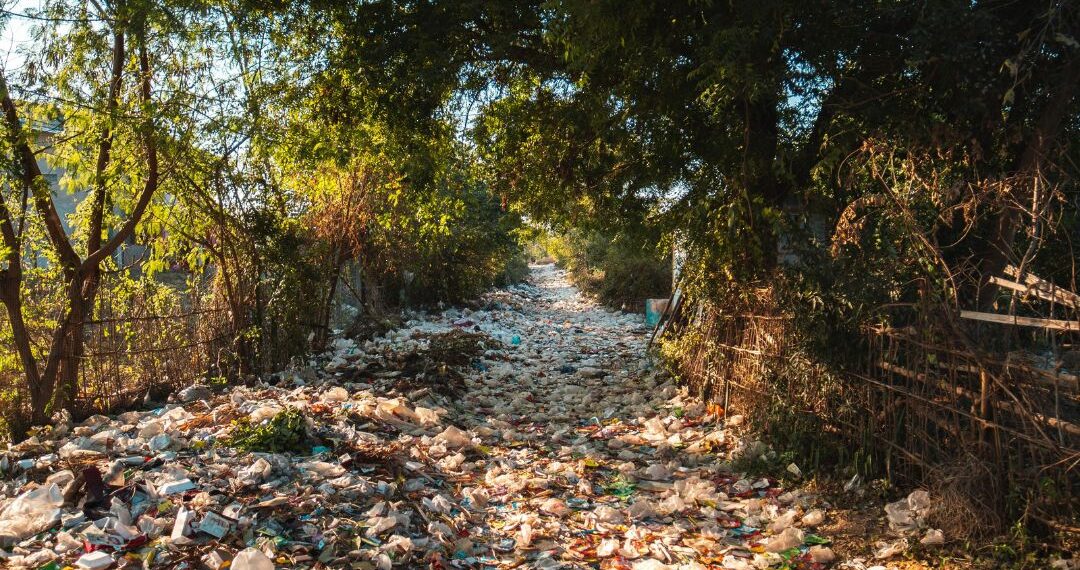
Then, beyond the social impact of food and beverage waste is its effect on the environment.
The United Nations’ Food and Agriculture Organisation (FAO), which strives to ensure food security by developing ways of growing food that will work in the future, advises in its Food Wastage Footprint report that “food and beverage waste has a significant impact on the environment due to the methane gas produced when food spoils and – in addition – [when] resources such as water, labour, and energy are wasted, and biodiversity is impacted. If food and beverage wastage were a country, it would be the third largest greenhouse-gas emitting country in the world.”

Solutions abound
Just one of the remedies at play in South Africa, which you can alert your manager to as you settle into your food and beverage job, is the National Food Loss and Waste Agreement.
Launched on 29 September 2020, the same date as the FAO’s International Day of Awareness of Food Loss and Waste, the agreement is the brainchild of the Consumer Goods Council of South Africa (CGCSA) and the national Department of Trade, Industry and Competition (DTIC), in partnership with the Department of Forestry, Fisheries and the Environment (DFFE). NOSH Food Rescue, as just one example, is proud to be an Associate Signatory to this fantastic initiative.
The extensive list of core and associate signatories is working tirelessly to reduce food and beverage waste, and redistribute or enable markets for nutritious surplus food all along South Africa’s supply chain (i.e. from farm to fork).
The initiative gives a nod to the UN’s Sustainable Development Goal 12, “Ensure sustainable consumption and production patterns”, of halving per capita global food waste at the retail and consumer levels and reducing food losses along production and supply chains, including post-harvest losses, by 2030.
Other initiatives to consider at your establishment, to bring to your team’s attention in that weekly staff meeting, include:
- minimising food waste in the kitchen;
- implementing live cooking stations at buffets so that meals can be custom-cooked, and only in the quantity required;
- eliminating wastage prior to preparation;
- monitoring portion sizes to avoid the remains having to be binned;
- addressing the issue of over-catering for functions and conferences;
and - giving unserved food to kitchen and hotel staff members, shelters, or charitable institutions once an event is over.
Although the hospitality sector was one of the most affected industries worldwide during the Covid-19 pandemic, the recovery we are currently seeing is clear from the stats – a growth of 60% in employers posting jobs, and a more than 20% increase in job-seeker interest on global job boards.
But there is more depth to be found at the heart of the sector today than previously, as we no longer simply serve our customers with a smile, but also strive to cater in our food and beverage departments in such a way that as little as possible goes to waste.
READ NEXT: Save the environment: Food waste adds to land degradation
Sign up for Mzansi Today: Your daily take on the news and happenings from the agriculture value chain