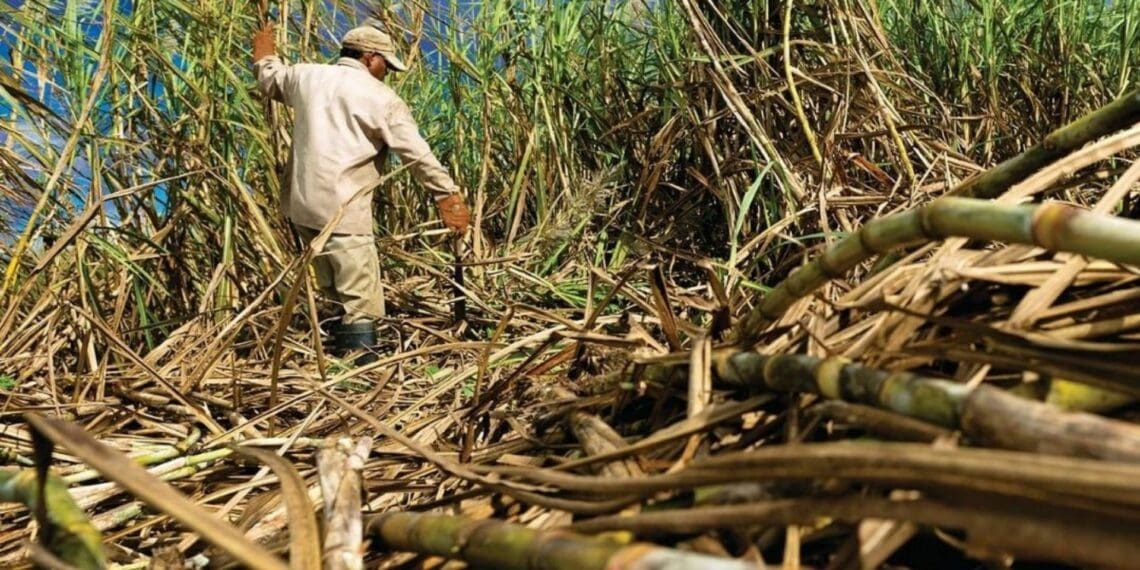
Agriculture minister John Steenhuisen has reaffirmed the government’s commitment to supporting over 24 000 black small-scale sugarcane farmers, emphasising their crucial role in the multi-billion-rand sugar industry. As the bedrock of rural economies in KwaZulu-Natal and Mpumalanga, the industry remains a key focus for inclusive growth and long-term sustainability.
Steenhuisen met with the sugar industry in KwaZulu-Natal as well as other stakeholders in the agricultural sector.
“The sustainability of the small-scale sugarcane farmers must remain one of the main priorities for both government and the industry. I am passionate about the cause of small-scale farmers to ensure their growth and success. You are part of the agriculture family, and we regard you as very important stakeholders in agriculture,” he said.
Securing sustainability for small-scale farmers
He said the department appreciates the role of the South African Sugar Association (Sasa) in rural provinces and for small-scale farmers.
“Sasa has been at the forefront of the efforts aimed at securing the sustainability of the small-scale sugarcane farmers. The dire situation of SSGs necessitated a decisive intervention by SASA and industry leaders, hence the installation of the billion-rand empowerment plan.
“An average of 13 349 small-scale growers (SSGs) per season have benefitted from the Transformation Intervention Fund since the 2019/2020 season. Sasa has spent R1.09 billion on empowerment interventions/initiatives, especially for the benefit of black small-scale growers. Of the R1.09 billion, SSGs received R700.55 million (64.27%),” the department stated.
Related stories
- SA sugar industry remains fragile despite progress, says Mhlaba
- Sugar industry eyes renewables amid tax concerns
According to the department, the extension of empowerment funding – R238.9 million for the current season – will continue to positively impact SSGs and black growers in general.
“Besides the cane delivery-based grant funding to black growers, further funding examples include the R46.5 million infrastructure rehabilitation
project in the Nkomazi region, Mpumalanga (which has greatly benefited SSGs and led to 300 hectares of cane being established), the R3.3 million SSG-driven rail siding initiative in Mkhuze, KwaZulu-Natal and the installation of a dummy spiller (R7.6 million) at the Gledhow Sugar Mill for cane delivery by SSGs, which reduced SSG hauler turnaround times and transport costs,” the statement noted.
In terms of the master plan, the department said the industry has been able to pinpoint challenges impeding the envisaged growth of SSGs through surveys that engaged more than 2 500 growers. Some of these factors include access to land and capital.
“There are limited opportunities for individual small-scale growers to expand their area under cane due to the lack of access to land and the dispersed distribution of cane farms in the deep rural areas of KZN and Mpumalanga. Sasa is focused on ensuring that the lack of
economies of scale, long transport distances and high contractor costs are mitigated by the grants and other support to small-scale growers.
“The long-term strategy is, thus, to ensure that small-scale growers remain in cane farming, and are sustainable with improved productivity in the short-term while medium to long-term interventions are being developed,” the department stated.
READ NEXT: Heavy rains bring relief and ruin for farmers
Sign up for Mzansi Today: Your daily take on the news and happenings from the agriculture value chain.