Despite its potential to create hundreds of jobs and economic opportunities, Boegoebaai’s residents are concerned about the lack of consultation around the development of a R13-billion harbour.
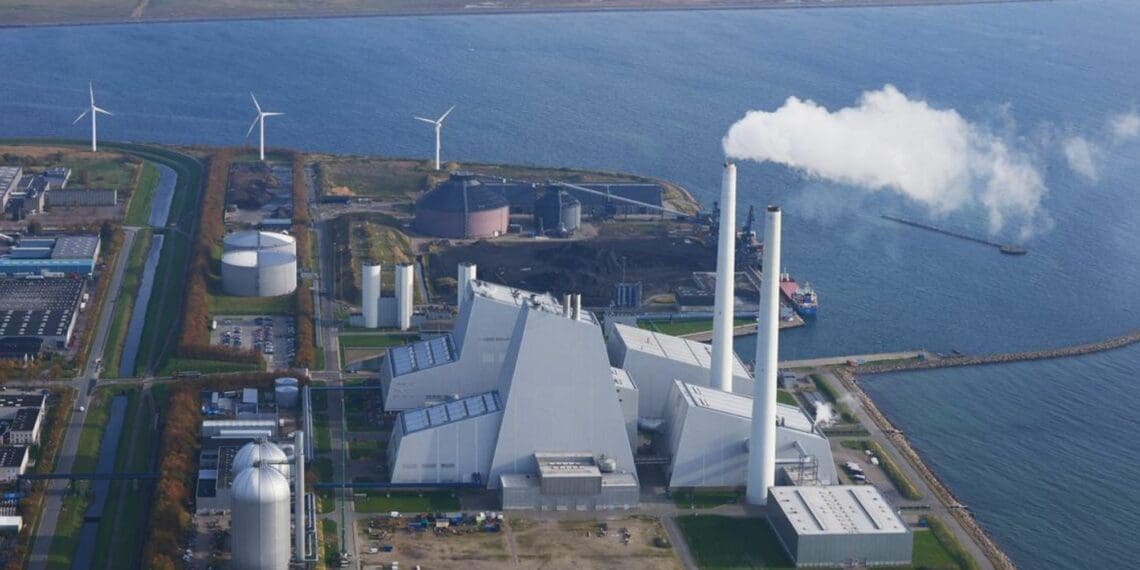
Boegoebaai is about 60 km north of Port Nolloth in the Northern Cape. Earlier, premier Zamani Saul said the harbour could be a gamechanger, creating much-needed economic opportunities that could change the socio-economic status of the province. Also, the Boegoebaai port could be integrated with facilities that produce green hydrogen and green ammonia for export.
However, the planned harbour will be constructed on a site with a rich Nama history. Boegoebaai residents and the local fishing community are also concerned that it could have a negative ecological and environmental impact. Lobsters and fish may be killed, impeding the economic ability of small-scale fishers in the region.
Concerns about the current harbour

Masifundise Development Trust programme manager Carmen Mannarino tells Food For Mzansi that the port will not be built for the benefit of the people or the fishing community, but for strategic mining activities along the coastline.
“The community of Port Nolloth will not have access to this harbour for fishing because it will be given to mining companies which are likely to endanger marine life that many people depend on for survival,” she says.
She believes the harbour will be built to ship away the commodities extracted from the ocean and land for corporations to profit. This, while infrastructure like the jetty for Port Nolloth fishers has not been repaired for years even though community members have reported the matter.
“The actual harbour used by the small-scale fish farmers is in a state of decay while huge investment is done for mining companies that will destroy the environment instead of investing in local development, food security and job creation.”
Meanwhile, Pedro Garcia of the South African United Fishing Front urges authorities to extend the period for public consultation. “Government needs to take the local dynamics into account, and we need to be cognisant of issues such as unemployment and that nothing should be done to compromise the existing livelihoods.”
Government should also bear in mind the Marine Living Resources Act and that the fishing industry faces a number of other issues, such as registrations and allocations.
Despite these concerns, Saul says construction of the harbour will begin in 2024. Already R100 million has been earmarked by the provincial government to carry out a feasibility study into the project.
ALSO READ: ‘Land ownership is justice served,’ says farming hotshot
Sign up for Mzansi Today: Your daily take on the news and happenings from the agriculture value chain.