A study in the Eastern Cape shows that access to water is not enough to transform South Africa’s agricultural sector. Rhodes University researchers Fenji Materechera-Mitochi and Matthew Weaver explain how high upfront costs, delayed crop yields, and unequal power dynamics leave many black farmers reliant on white commercial partners.
South Africa’s commercial farming sector is still shaped by the legacy of slavery, colonialism and apartheid. Black South Africans make up more than 80% of the population. But most commercial farms are still owned by a relatively small number of white farmers.
During apartheid, black farmers were prevented by discriminatory land and water laws from owning productive farmland. They were also cut off from accessing irrigation water or taking part in commercial agricultural markets. Many black communities were forced into overcrowded areas known as Bantustans, with poor infrastructure and few opportunities to build successful farming businesses.
Since the end of apartheid in 1994, South Africa has tried to make farming fairer by changing who owns land and who has access to water. One approach has been to give water licences to black farmers and encourage them to enter joint ventures with established commercial, mainly white farmers.
Farmers who use rivers, dams or groundwater for irrigation generally need a water-use licence. In these partnerships, black farmers usually provide the land and water, while established commercial farmers provide finance, farming expertise, equipment and access to markets.
The idea is that both sides benefit: established farmers can keep producing crops, while black farmers gain the support they need to build commercial farming businesses. Each of these partnerships is set up individually on its own terms.
Why the research is necessary
In South Africa, commercial farming relies heavily on irrigation using rivers, dams or underground sources. We research who gets access to water and land and how water is managed. Together with a team of researchers, we looked at whether joint ventures are helping black farmers gain fair access to water and build successful farming businesses. We also explored what needs to change to make these partnerships work better.
Related stories
- Practical water-saving strategies every SA farmer can use now
- SA’s deepening water crisis threatens national food security
- Majodina calls for collective action to protect SA’s water resources
- SA’s water crisis: A permanent threat to farming and economy
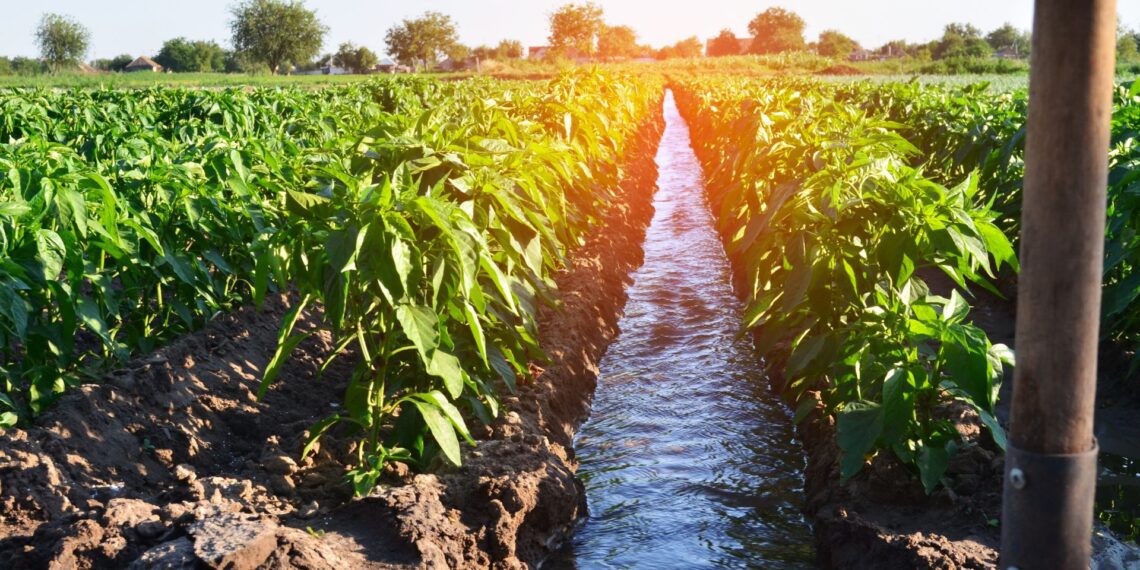
We interviewed 34 commercial and emerging farmers who are part of joint venture partnerships in the Great Fish and Lower Sundays River area of the Eastern Cape, South Africa. This area houses numerous land reform projects and large commercial citrus farms that export oranges and lemons. It has an advanced irrigation canal system.
The area was an ideal setting to examine whether joint ventures are helping emerging black farmers establish successful commercial farming enterprises – or not.
We wanted to understand how access to water is connected to the other things farmers need to build a successful commercial farming business, including finance, farming skills, infrastructure, access to buyers and the ability to make decisions.
Our research found that through the partnerships, many emerging farmers got access for the first time to irrigation infrastructure, such as canals, pumps and water supplied from nearby dams. But these irrigation schemes were designed to support well-established commercial farming operations and emerging farmers struggled to afford the costs.
We also found that having access to water was not enough to build successful agricultural enterprises. This was because the emerging farmers remained dependent on commercial partners for finance, expertise and access to markets to sell their crops.
Our research shows that redistributing water needs to go along with providing emerging farmers with finance, equipment, infrastructure, training and a real say in how farming businesses are run. If not, transforming agriculture will remain out of reach.
What the commercial farmers said
The commercial farmers told us that farming is a highly sophisticated and complex business. Generations of farmers have learnt to and still deal with many challenges in keeping their businesses going.
These include being audited to see if they’re complying with laws and standards, increases in the cost of labour and steep diesel price increases. The commercial farmers also described how their businesses were affected by fluctuating international prices and the impact of the Covid-19 pandemic on export markets.
They said keeping their businesses profitable and up to date with new technological advances took most of their time, leaving little time and resources to invest in building the independence of emerging farmers.
What the emerging farmers said
The emerging farmers often had little influence over how the farming business operated. Commercial partners frequently controlled financial decisions, production planning, marketing and investment. They became participants in farming enterprises without developing the skills, financial independence or decision-making authority needed to manage successful businesses on their own.
Another problem was that farmers were billed as soon as they began using the water. This meant that many faced substantial water bills before they had harvested or sold a single crop. The water and compliance costs could be as much as R750 000 (US$46 300) just to get started, despite citrus taking seven or more years to produce its first harvest. Some ultimately lost control of the water rights they had been allocated, because they couldn’t pay.
The emerging farmers also often lacked the irrigation infrastructure and machinery needed to use it productively. In some instances, they had to rent equipment such as tractors and crop sprayers from commercial partners. This cost them more money and made them more dependent.
Climate change and variable weather increased production risks. The rising costs of electricity, irrigation, fertiliser and farm inputs reduced profitability. Many told us that they were unable to access commercial credit without collateral or cash flow. Some emerging farmers had no option but to rely on commercial farmer partners to carry these costs. This made it almost impossible for them to invest independently in infrastructure or expand production.
Several emerging farmers said that instead of gradually building independent enterprises, they remained reliant on their commercial partners for finance, technical expertise and access to markets long after the partnerships began.
Lessons learned
Since we began our research, the government has introduced a new water pricing strategy that offers emerging farmers some time to pay off their water bills. This was a step in the right direction.
However, water redistribution is only one part of the support farmers need. Commercial success also depends on access to finance, infrastructure, technical knowledge, markets and the capacity to make informed business decisions.
Our findings also challenge a common assumption that public-private agricultural partnerships automatically empower disadvantaged farmers. Partnerships can create valuable opportunities, but they can also reproduce existing inequalities if power remains concentrated with one partner.
Genuine transformation needs more than a joint venture contract. These arrangements can succeed, but only when they deliberately build local capacity rather than long-term dependency.
What needs to happen next
The government already provides emerging farmers with some support through grants, infrastructure and extension officers. But many of the Black farmers we interviewed found this support to be inconsistent and unevenly distributed. We recommend that government co-ordinate this support better to ensure that emerging farmers have the finance, infrastructure, skills and other support they need to turn their water rights into viable farms.
Our research also shows that irrigation water must be priced to take into account that new farmers don’t earn much for the first seven years, while also remaining economically sustainable.
Joint ventures should set out how emerging farmers will gain the skills and experience to take over more management responsibilities.
Transforming agriculture is not simply about redistributing natural resources. It is about creating conditions that allow people to use those resources successfully. Water remains essential, but unless reform also addresses finance, knowledge, infrastructure and power, many emerging farmers will continue to hold water rights without gaining the commercial farming success those reforms were intended to achieve.
- This article was first published by The Conversation. The views and opinions expressed in this article are those of the author and do not necessarily reflect the views or positions of Food For Mzansi.
READ NEXT: 15 000 jobs shed: Why the SA agri sector is feeling the pinch