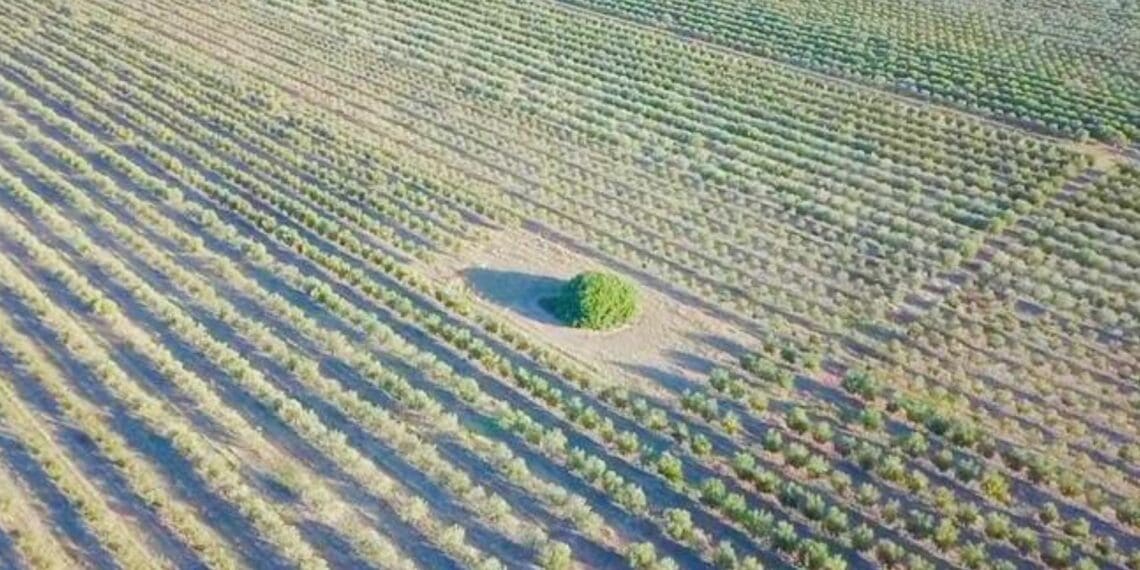
It’s been an exciting season filled with ups and downs for olive producers in Mzansi. With the harvest now complete, experts indicate that table olives and extra virgin olive oil (EVOO) from the 2022 harvest will be excellent.

SA Olive CEO, Vittoria Jooste, says that the South African olive industry is really coming of age. “Our growers’ orchard management practices are constantly improving – from the pruning of their trees to the management of soil and nutrients – and this helps achieve better yields and mitigate some of the adverse factors, such as weather.”
According to SA Olive data, local farmers have produced around 1.6 to 1.7 million litres of EVOO over the last two years, and production is expected to be at a similar level in 2022, despite varying yields across South Africa’s olive growing regions.
Producers rejoice
For Mzansi’s producers, the work does not stop when the harvest ends, because they now must prepare their orchards and prune their trees in readiness for the next crop.

The harvest in South Africa begins in late February and runs through to June, and sometimes even July in some areas. Most farms are situated in the Western Cape and the majority deploy traditional methods, manually harvesting their olives and paying specific attention to quality olives that will be used to produce premium extra virgin olive oils.
Weather conditions in the Overberg were perfect and allowed an easier harvesting process with, for example, Greenleaf Olive Company and Mardouw Olive Estate in the Swellendam area both reporting increased yields compared to 2021. “Greenleaf’s is up by a whopping 40%,” SA Olive rejoices.
Mardouw’s Philip King says that a combination of factors contributed to their record harvest this year.
“We prepared the trees really well last year; this and the perfect weather conditions has resulted in higher olive yields, although the actual oil yield is smaller than in previous years.”
Philip King
Some not so lucky
In the Klein Karoo, olive farmers did not share a similar fortune. Bad weather has resulted in a smaller crop. Many other factors apart from the weather, such as increased costs for fuel, water, fertiliser, and labour, contributed to the low yield.


André Conradie from Kloovenburg Wine and Olive Estate in Riebeek Kasteel in the Western Cape, says that increased fuel costs and load shedding have challenged their operation massively.
“While we currently supply the local market with olives and EVOO, we would like to export to Europe in future, and if all goes well, perhaps over the next year. Some of our trees are 35 years old and like red wine our olives are getting better with age, and we are optimistic about the future.”
Gert van Dyk, manager at Tokara, and Jason de Beer, the CEO at Morgenster Estate Olive Farms – also in the Western Cape – say that they had a much larger crop this harvest compared to 2021. They managed to produce some exceptional quality oils, with distinct organoleptic characteristics, good fruitiness, pronounced bitterness and spiciness, and will most definitely meet export standards.
ALSO READ: Olive vs vegetable oil: Which is really better for you?
Sign up for Mzansi Today: Your daily take on the news and happenings from the agriculture value chain.