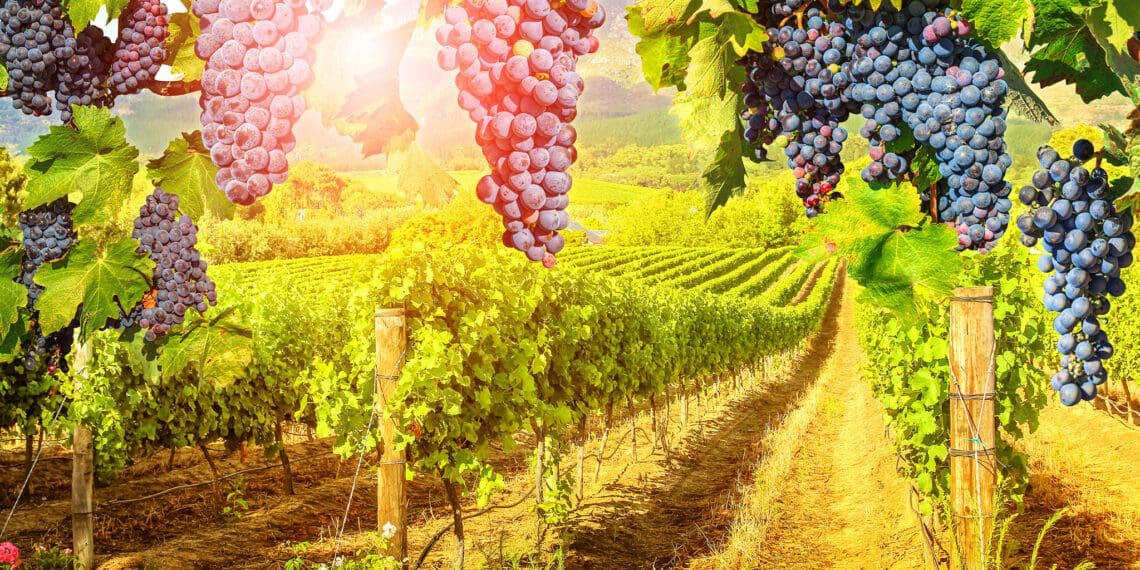
The South African wine industry has stood the test of time, with a history spanning over 300 years. The Cape Winelands, in particular, are known for producing some of the best wines in the world. However, the industry now faces an uncertain future due to the rapid pace of climate change.
As temperatures rise and rainfall patterns become more unpredictable, grape growers and winemakers are left grappling with new challenges that threaten the future of their livelihoods.

Despite these difficulties, the industry is determined to adapt and find innovative solutions to mitigate the effects of climate change.
In a Food For Mzansi documentary that will be aired on DStv this coming Sunday, 19 February, viticulture and climate change experts reveal the existential threat that the Cape Winelands are facing due to extreme weather conditions.
Professor Peter Johnston, a climate scientist at the University of Cape Town, says, “The wine industry has been here for a very long time and is pretty much used to the conditions that we have here, which are very dry summers and wet winters.”
Generally, the growing seasons for grapes are between September to March and April of the following year, depending on irrigation and heat units.
Grapes love summer weather and the biggest risk that climate change poses is the temperature increase, and of course, the number of hot days.
Climate change realities
Waterkloof Wines viticulturist Christiaan Loots says, “The last ten years the rainfall has been significantly less, and I think the last six years we just reached over 400mm per year.”
What they also discovered is that subsoil remains dry in winter, so it takes much longer to get to saturation point. But that’s not all, there has also been a significant shift in cultivar protection. Some of the cultivars that were planted north had to be shifted, and drought-resistant root stalks had to be implemented for a successful harvest.
Grapes are quite a delicate fruit and the sudden shift in temperature and moisture can have a huge impact on an annual harvest.
Vineyards in Mzansi are forced to adapt, especially in the face of climate change.
Remembering 2014’’ drought
Not too long ago, South Africa experienced a drought in 2014 and vineyards were affected on a major scale.
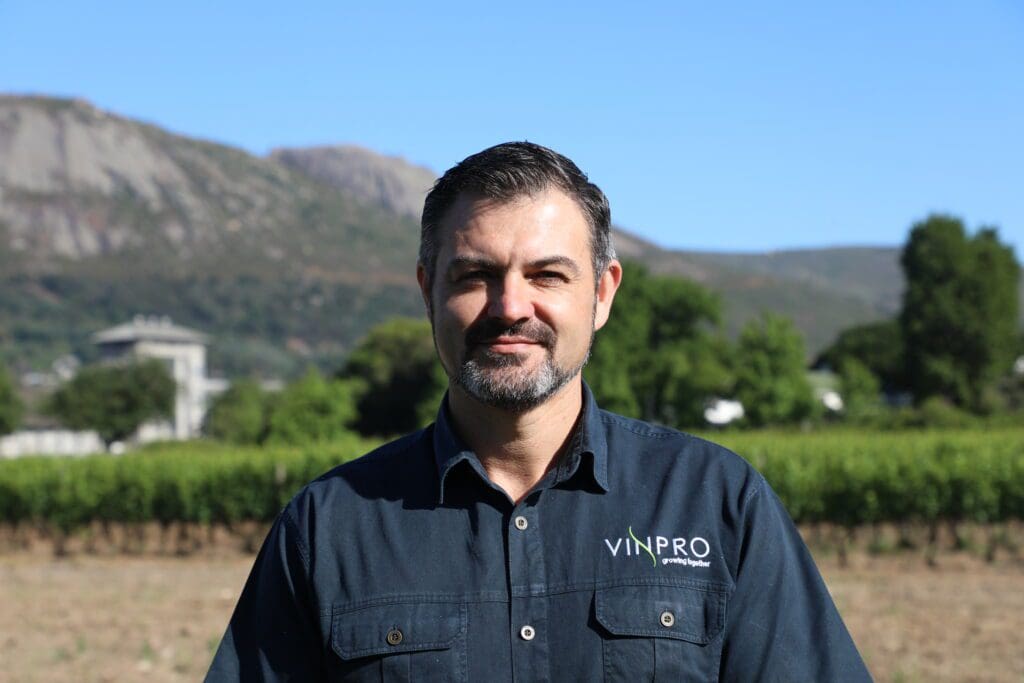
“Areas most affected by the drought were areas in the Northern Cape, Swartland – which is a dry land area so they guys don’t have irrigation venues up there – and also the Olifants River,” says Conrad Schutte, consultation service manager at Vinpro.
It is in those specific areas that people started removing the older vineyards, and in 2022 the industry removed about 100 hectares of vineyards.
- “No room to hide: Climate change in the Cape Winelands” will be broadcast on PWX this Sunday, 19 February. Catch it on DStv channel 180, as well as Openview channel 115 at 12:00, and again at 19:00. The documentary was produced by Food For Mzansi.
ALSO READ: A bridge too far: Farmers share flood losses
Sign up for Mzansi Today: Your daily take on the news and happenings from the agriculture value chain.