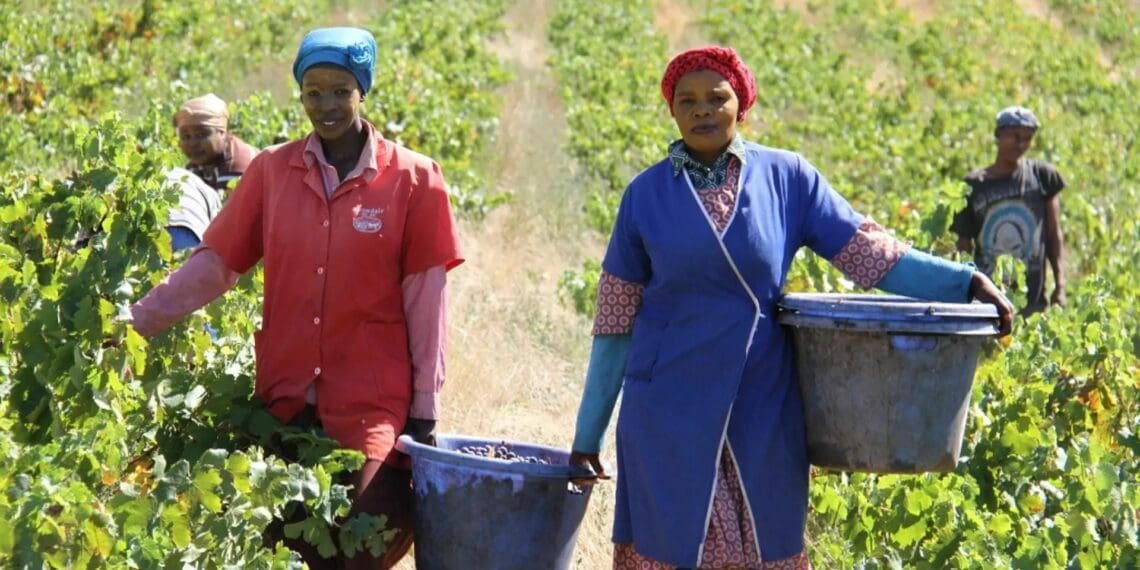
South Africa faces a deepening crisis of hunger and poverty, one felt most acutely by rural women and their families who, despite living and working in areas where food is produced, remain at the frontline of food insecurity.
Recently, the Rural Women’s Assembly (RWA) launched a national campaign calling urgent attention to the structural and lived realities of poverty, hunger, and malnutrition.
The organisation said food security realities are rooted in South Africa’s history of colonialism and apartheid and persist through racialised, gendered patterns of deprivation and exclusion, as well as landlessness that remains in the hands of a few.
Fighting poverty
“As a self-organised rural movement of smallholder farmers and peasant producers, RWA focuses on food sovereignty and advocates for the constitutional right to food, alongside the right to land with water, as well as the right to seeds.
“Statistics show that despite educational gains, women are consistently overrepresented in unemployment, earn up to 35% less than men in the labour force, and continue to bear the triple burden of inequality, poverty, and unemployment. Even among those employed, many women continue to live under the poverty line, with rural women disproportionately impacted,” RWA said in a statement.
Related stories
- Agri-transformation: Nurturing new-era farmers for food security
- SA joins global seed talks as trade threatens food security
- SA’s G20 presidency could reshape Africa’s food security
- Steenhuisen urges unity for Africa’s food security goals
According to RWA, the persistent marginalisation has direct and dire consequences. Food insecurity now affects nearly 15 million South Africans, with the department of health reporting that over 500 children under the age of five died from malnutrition in 2024.
“We cannot allow this to become normalised. It is unconscionable that so many go hungry in a country that produces enough food to feed its entire population, while a third of edible food ends up in landfills. The solution is not charity, but food justice, and this begins with decisive policy action,” the organisation stated.
Action needed for food security
RWA called on the government to implement the following:
- Raise the child support grant to meet the poverty line, ensuring that all children are shielded from hunger, deprivation and malnutrition.
- Resist austerity measures that undermine school and community feeding schemes, which are essential lifelines for millions of families.
- Promote inclusive economic growth and employment, especially for women in rural areas.
- Support land redistribution and agroecological reform, foregrounding RWA’s One Woman-One Hectare campaign that advocates for land distribution of at least one hectare of land or more to women to grow food, generate income and achieve greater independence.
“Hunger is not inevitable. It is a consequence of the persistent injustices woven throughout our social and economic fabric. RWA calls on all sectors of society to join us in a collective mobilisation so that every woman, every child and every family can claim their right to food, dignity and opportunity.”
READ NEXT: Mother-daughter farmers cultivate heritage, not just crops