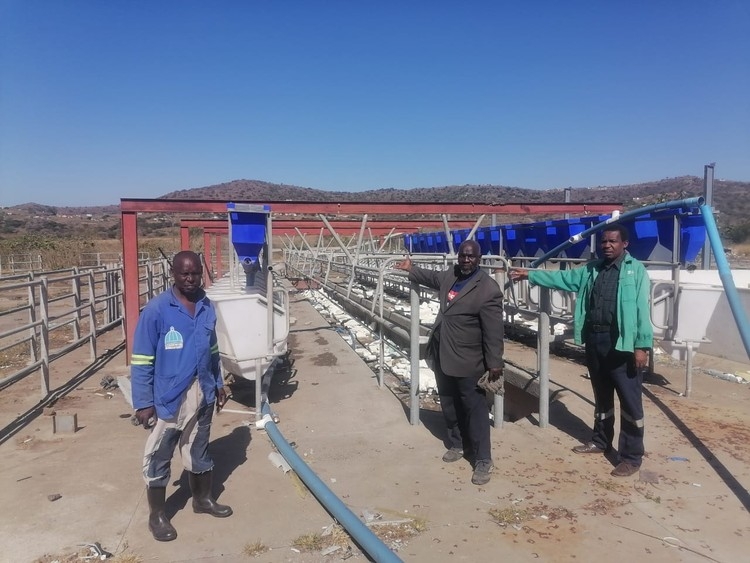
A government-funded dairy farm owned by the community of Mantusini, a rural village near Port St Johns, has been put out to pasture by the government. Calls for an investigation into what went wrong at the farm have fallen on deaf ears.
The dairy farm was set up in 2005 by over 450 Mantusini community members on their communal land. The Mantusini Dairy Trust was formed to govern and manage the farm on behalf of the community.
In 2007 Uvimba Bank invested R2 million to build milking infrastructure, an irrigation system and a standby generator. The Eastern Cape department of rural development and agrarian reform also erected a 13 km fence to the value of R1 million.
Money down the drain
Then, between 2014 and 2017, the national department of agriculture, land reform and rural development (DALRRD) invested R28.3 million in the farm, appointing Amadlelo Agri, a private company that specialises in supporting emerging black dairy farmers, to manage the farm. But the farm still struggled to turn a profit, which Amadlelo Agri alleges was due to insufficient planning by the DALRRD.
Following catastrophic floods in 2019, the farm collapsed. In 2020 Amadlelo Agri left, and a mysterious private investor was introduced to the community by Nomakhosazana Meth, former Eastern Cape MEC for rural development and agrarian reform. Meth is currently the national minister for employment and labour.
At the time, the MEC and her department touted the introduction of the investor, known only as Cream Top, as the solution to the farm’s troubles. The department assisted by providing feed and technical support.
Six months into the new partnership, Cream Top abandoned the farm. Today the farm is millions of rands in debt, with its electricity cut, and its cows either dead or sold off. The government-funded infrastructure has also been badly vandalised.
Linda Page, spokesperson for the national DALRRD, told GroundUp that there are no plans to further support the farm.
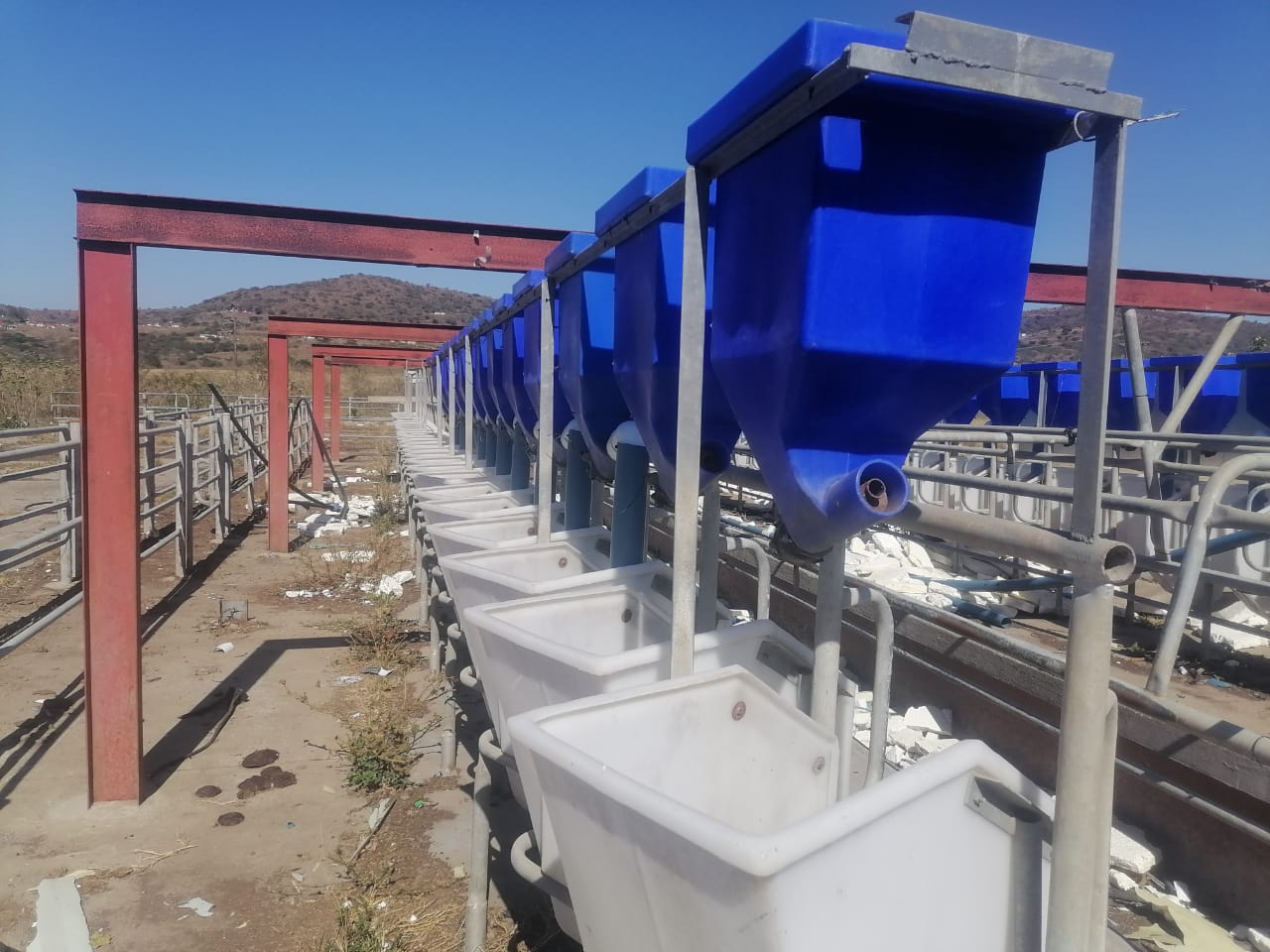
Highly sophisticated milking equipment, sponsored by the government, has never been fully utilised. Photo: Joseph Chirume/GroundUp
Mysterious investor
Little is known about Cream Top, the investor introduced by former MEC Meth in 2020. Attempts by GroundUp to get the company’s registration number or the full names of its owners have been unsuccessful.
The Mantusini Dairy Trust referred us to a man named Sihle Ntuli who they say was the intermediary between Cream Top and the Trust. Ntuli, who describes himself as “a conglomerate businessman”, said he could not divulge details of the company because he had signed a non-disclosure agreement.
Ntuli told GroundUp that when Cream Top Dairies took over the farm, they agreed to a 50/50 profit share with the trust. The company had invested R6 million in the project, all of which was now lost, Ntuli said. GroundUp asked for evidence of financial statements from when the company came on board in 2020 until they left the farm in 2021, but Ntuli declined to provide them.
The village’s chief and chairman of the Trust, Mziwonke Magoswana, couldn’t produce documents with the company’s details. Magoswana told GroundUp that there was no written agreement between them and Cream Top. He said the community’s decision to partner with the company was based on Meth’s recommendation and after a compelling presentation by Ntuli.
Ntuli said, “We left because of sabotage and political injustice against the development,” but provided no further details on what he meant by this.
One of Ntuli’s interventions was to introduce a farmer from Kokstad in KZN, Bernard Keel, to help the community.
Related stories
- Broken promises? Limpopo farmers evicted from communal land
- Failing farms: Billions spent as reformed land lies fallow
- Land reform fallout: CPAs plagued by strife, inexperience, infighting
Wasted resources
Keel told GroundUp that he first visited in October 2020 and found that the farm was in a bad state. The farm had just over 100 animals, which were severely underweight and malnourished. There was no treatment for ticks, fleas or diseases.
In addition to providing bales of feed free of charge, Keel said he offered to take 74 ill and malnourished calves, between one day and six weeks old, to his own farm. According to Keel, the community agreed, with the understanding that he would raise them for two years, after which they could take them back but would be expected to cover his costs, which were about R1.6 million in total. Keel said he paid veterinarians to treat the animals, and that most of them are now healthy adult cows.
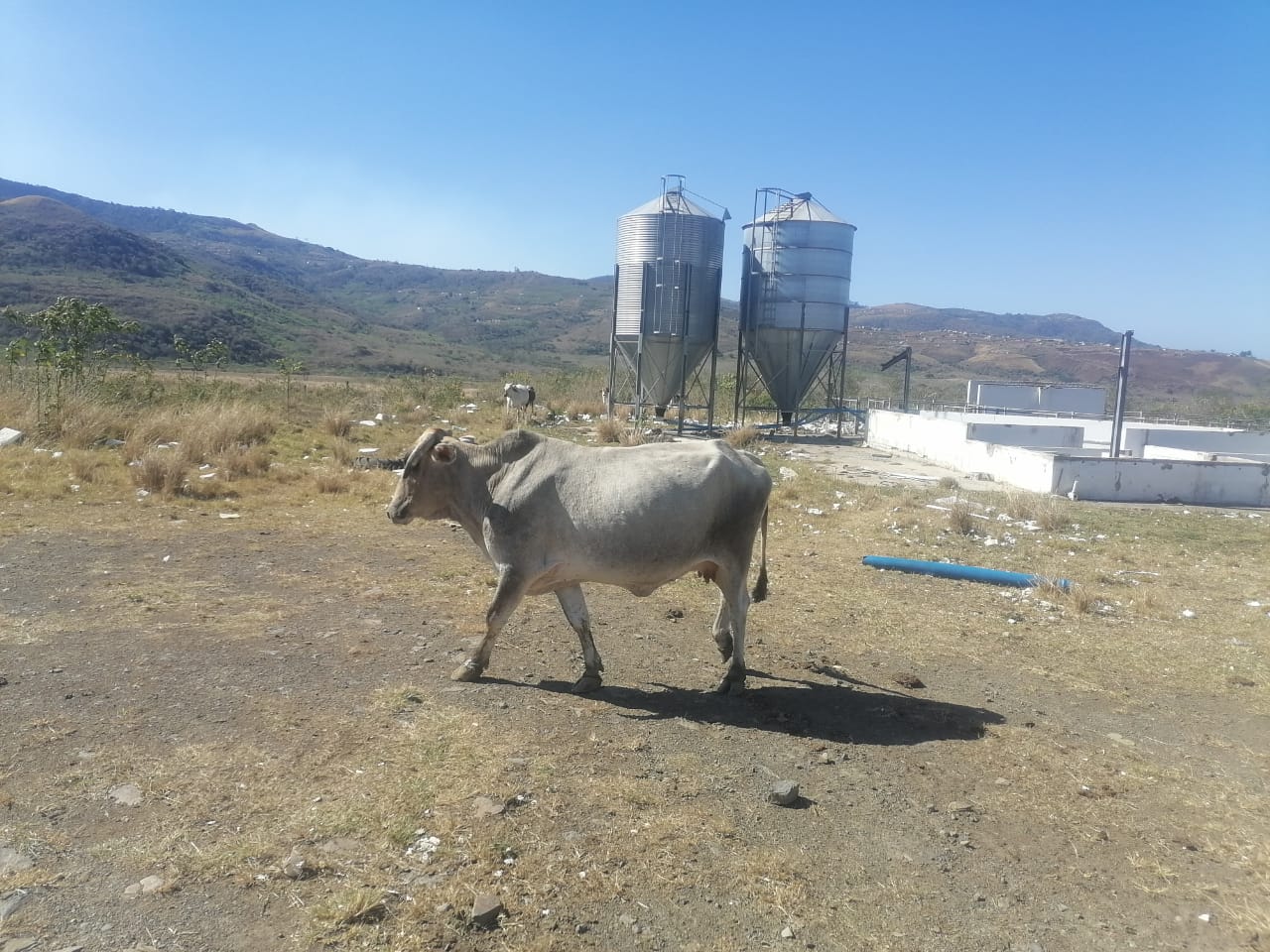
The Mantusini Dairy Farm is vandalised and dilapidated, with no milking taking place. The only cattle left are those owned by community members. Photo: Joseph Chirume/GroundUp
However, this is not how the Mantusini Dairy Trust understood Keel’s role. The Trust believed that Keel had offered his services for free. There was no contract between Keel and the Trust.
The Trust’s chair now blames Amadlelo Agri and Cream Top for ruining the farm. But he acknowledged that the trust and its members were “lost” without the technical support provided by Amadlelo Agri.
We asked MEC Meth whether any due diligence was done before introducing Cream Top to the community, but she has washed her hands of the issue, referring our questions to the Eastern Cape department of rural development and agrarian reform. The department told us that it played no direct role in the arrangement between the Trust and Cream Top.
The DA has repeatedly called for the issue to be investigated but this has not happened.
After Cream Top’s exit from the farm, the new MEC for rural development and agrarian reform announced that an audit would be conducted, but no outcome has yet been made public.
Related stories
- SA dairy industry welcomes new export deal with China
- Biosecurity crisis: New FMD variant threatens EC dairy farms
We asked Magoswana for the farm’s financial statements. He said that in 2021 the Eastern Cape department’s auditors had taken all the documents from the farm, including its books and financial reports. When we asked Bongikhaya Dayimani, acting head of the department, about this, he denied this allegation. He said when auditors went to the farm, there were no documents to be found.
Page, spokesperson for the national DLARRD, told GroundUp that infighting between beneficiaries was a key contributor to the farm’s collapse.
Spokesperson for minister of agriculture John Steenhuisen, Charity McCord, said that “moving forward, there will be much better supervision of projects, and that regular reporting must be done to ensure projects continue independently”.
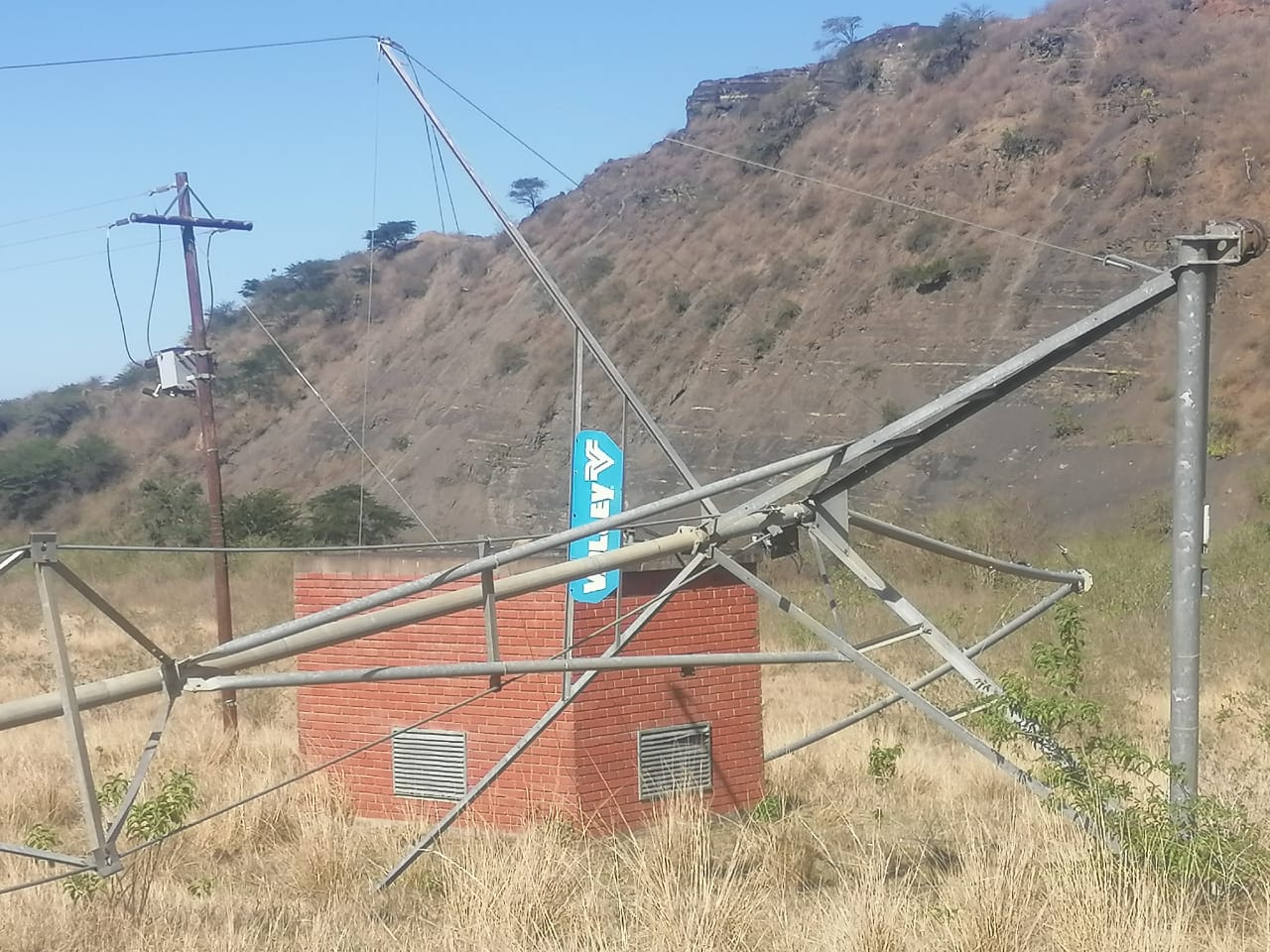
A collapsed pylon cut off electricity to the farm. It was never repaired and now Eskom has cut off the power supply completely due to unpaid bills. Photo: Joseph Chirume/GroundUp
Sour milk
The Mantusini Dairy Farm had its official launch in 2016 as part of the national DALRRD’s “one household-two cows” programme. The department planned for the farm to have a herd of 800 cows (two for each of the 400 households in the community) to produce millions of litres of milk a year.
Amadlelo Agri’s chief financial officer, Vukile Hlobongwana, believes the department failed to deliver on its commitments, which included infrastructure development. This meant that the land was not fully prepared or equipped to manage a full herd.
According to a report by Amadlelo Agri, the company’s original business plan, which laid out how much funding was needed for the farm to be sustainable, was not adhered to by the government.
The industry norm is for cows to produce at least 17 litres per day, but the best production volume achieved by the farm was 9 litres per cow, between July and November 2016, said Amadlelo Agri.
Financial statements provided by Amadlelo Agri show that after the last grant disbursement from government in 2017, the farm was running at a loss every year.
Despite this, the herd continued to grow without adequate resources to maintain them. The catastrophic floods in 2018 were the final straw that led to the farm’s ultimate collapse. The floods swept through the area, wreaking havoc on the feed crops and infrastructure like roads and bridges.
Community member Derrick Madini told GroundUp that the farm’s failure has caused a great deal of despair in the community. “We got nothing from the proceeds of the sale of the milk. This is despite our fields being converted into grazing lands, maize and stock feed pastures. We were promised that we were to share profits from the sale of milk, but it was just hot air.”
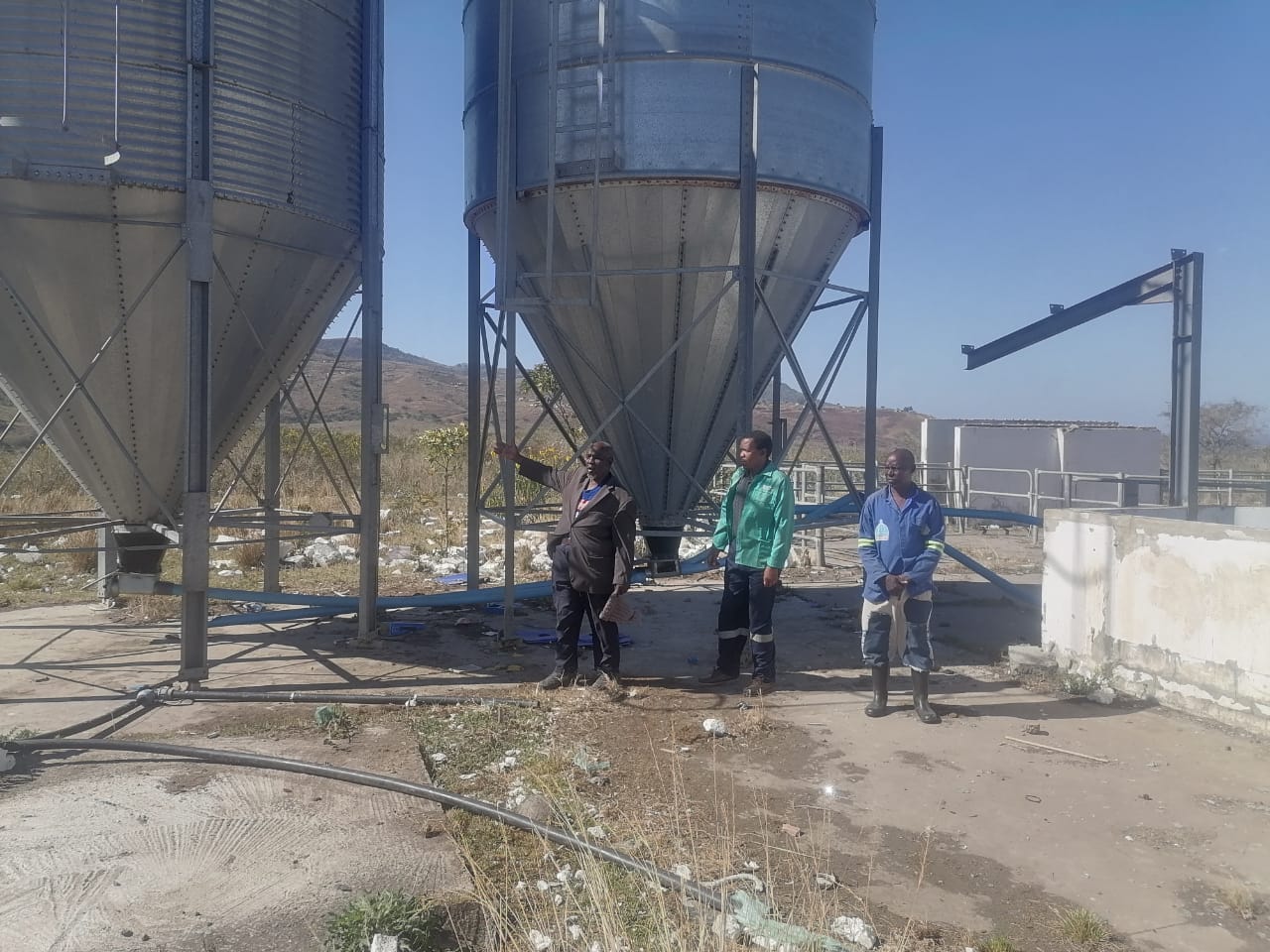
With no electricity, cows, or money to pay salaries, the farm’s state-of-the-art equipment has been left unused for over three years. Photo: Joseph Chirume/GroundUp
This story was first published on GroundUp.
READ NEXT: Steenhuisen calls for urgent action on public-private partnerships
Sign up for Mzansi Today: Your daily take on the news and happenings from the agriculture value chain