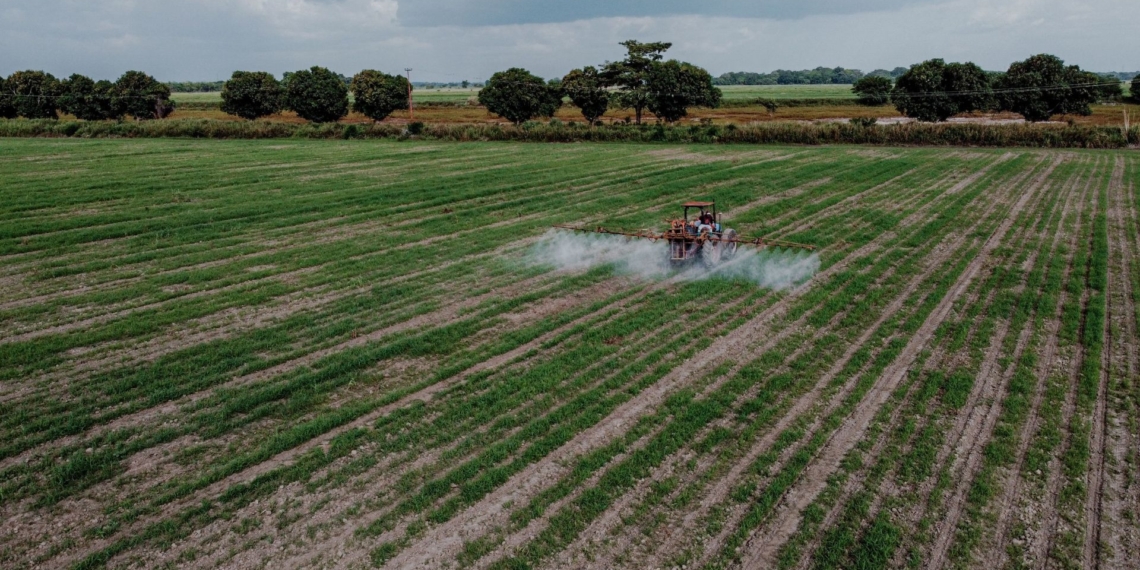
As herbicide resistance continues to increase globally, South African farmers are under growing pressure to identify potential resistance in advance. According to Corteva Agriscience, a serious oversight in weed management is assuming that herbicide resistance only becomes a concern once herbicides completely fail. However, the warning signs often appear years earlier.
Dr Elbé Hugo, category marketing lead of herbicides at Corteva, said herbicide resistance develops gradually and farmers usually see the first indicators long before a serious control failure occurs.
“The challenge is recognising those warning signs early enough to make management adjustments before resistant populations become dominant,” Hugo said.
Warning signs of herbicide resistance
According to Hugo, at field level, resistance often starts subtly. “Farmers may notice small patches of weeds surviving in isolated areas after spraying, while the rest of the field appears well controlled.” According to Corteva, these “weed escapes” should never simply be dismissed as spraying errors without further investigation.
“Herbicide resistance develops when naturally tolerant weeds survive herbicide applications that would normally control them and continue reproducing within the field population,” Hugo said.
Corteva stated that this process is accelerated by repeated use of herbicides with the same mode of action, particularly in minimum tillage or monoculture cropping systems where limited alternative weed control practices are implemented.
Related stories
- Corteva grows future agri leaders through training & support
- Herbicide-resistant weeds threaten soya bean profits
- Empowering farmers to tackle climate threats with agritech
- ‘Severe blow’: Industry hit hard by unchanged wheat tariff
Certain weed species also present a far greater resistance risk than others. Weeds such as wild oats (Avena fatua), plantain (Plantago spp.) and fleabane (Conyza spp.) species are highly adaptable because they produce large quantities of seed and possess high genetic diversity. Some species such as pigweed (Amaranthus spp.) and ryegrass (Lolium spp.) cross-pollinate easily, accelerating the spread of resistant traits within fields.
Corteva advised farmers to regularly assess whether their production practices may lead to herbicide resistance.
“Warning signs can include repeated use of the same herbicide programme in the same fields, a gradual decline in weed control over several seasons, surviving weeds appearing in isolated patches and cases where only certain weed species survive while others remain effectively controlled.
“Farmers should also remain aware of resistance problems reported on neighbouring farms or surrounding areas, as resistant populations can spread over time.”
Maintaining field records and biosecurity
However, Hugo emphasised that poor weed control does not automatically confirm resistance. “Before resistance is assumed, farmers must first evaluate whether application factors may have affected performance.
“Incorrect spray timing, unsuitable weather conditions, poor coverage, incorrect dosage rates and spraying weeds beyond the optimal growth stage can all reduce herbicide effectiveness.”
“This makes accurate field records increasingly important. Maintaining detailed information on herbicide programmes, crop rotations, weed pressure and spray conditions allows farmers and advisers to identify developing trends over time.”
Corteva cautioned that resistance problems do not remain isolated to a single field. Resistant weed seed can spread through harvesting, tillage and planting equipment moved between lands.
“Poor equipment hygiene may therefore accelerate the movement of resistant populations across an entire farming operation. For this reason, biosecurity practices are crucial in weed management programmes.
“Cleaning machinery before moving between fields and managing suspect fields separately can significantly reduce the spread of resistant weeds,” Corteva further advised.
Where resistance is strongly suspected, farmers are encouraged to collect seed or plant samples for formal resistance testing. Early confirmation allows producers to implement corrective strategies before resistant populations become widespread. According to Corteva, prevention remains far more affordable than attempting to regain control after resistance has become firmly established.
“Farmers cannot afford to wait until resistance becomes visible across entire lands. The earlier a potential problem is identified, the more management options remain available.
“Proactive monitoring and diversified weed control strategies are essential to protecting the long-term effectiveness of herbicides,” Hugo said.
READ NEXT: Farmers, researchers must walk regenerative journey together