The Agricultural Research Council’s Plant Health Production campus safeguards South Africa’s farming future through its 26-year-old plant virology collection. The ARC’s Manana Mamabolo, Whitney Matli, Dr Walter Shiba, and Marika van der Merwe explain how it helps farmers detect crop-threatening viruses early and prevent devastating disease outbreaks.


The ARC’s national public good assets are invaluable to South Africa’s agricultural and ecological landscape. They provide critical resources for research, biodiversity conservation, and sustainable agriculture.
The assets not only benefit direct stakeholders, such as farmers and researchers, but also contribute to broader societal goals, including food security, rural development, and environmental preservation.
The Agricultural Research Council-Plant Health Production (ARC-PHP) campus has the mandate to provide extensive and specialist knowledge of organisms that threaten crops and plants in the natural environment, to protect arable land, water resources, natural biodiversity, and food security. Research at the campus is conducted using various national public good assets, and the campus is a custodian of several of these assets, including the plant virology collections of 26 years.
The ARC plant virology collections
This virology collection includes antiserum (antibodies used to neutralise viruses) and viruses. The antiserum and viruses play an essential role in disease diagnostics and management by providing reference materials and diagnostic tools. The collection enhances the accuracy of virus detection in crops through ELISA tests, lateral flow devices and other testing methods. Its focus on virus identification and variant analysis is critical for safeguarding crop health.
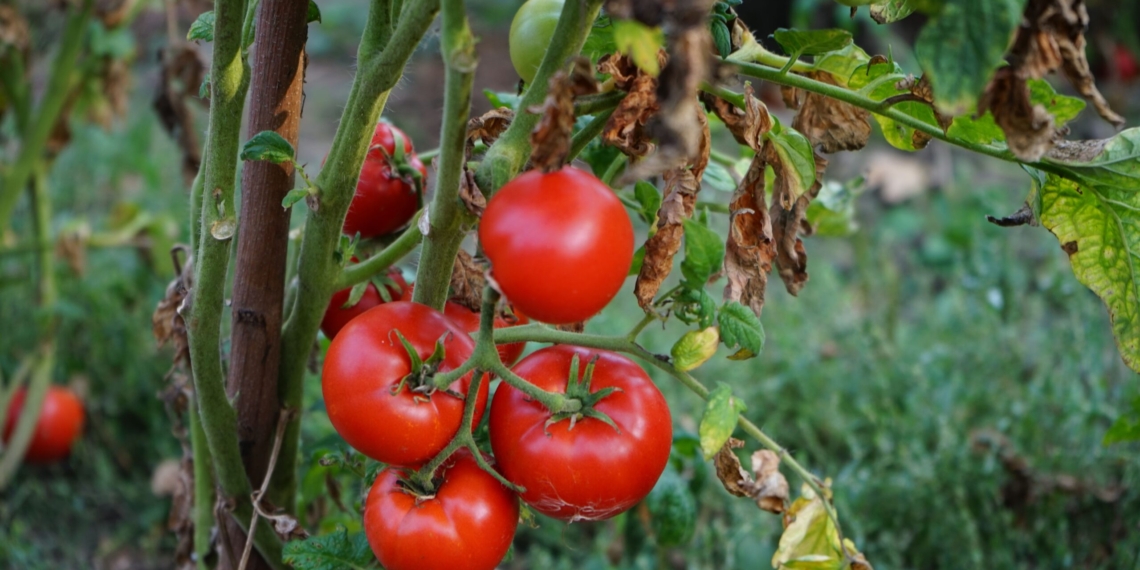
Virology collections support food security, particularly in relation to plant health. Their contributions include crop protection by enabling the development of diagnostic tools for plant diseases caused by viruses. For example, plant viruses like tobacco mosaic virus (TMV) or tomato yellow leaf curl virus (TYLCV) can drastically reduce yields.

Figure 1: Antiserum
Understanding these viruses and having antiserum to detect them helps farmers protect crops and ensure stable food production. Antisera derived from virus collections can help in early detection, preventing outbreaks, and minimising the spread of diseases, ensuring crop health and production and preventing losses for farmers.
Users of ARC plant virology collection
The main users of this collection are ARC researchers, university students, seed companies such as Pannar, Starke Ayres, Agricol and diagnostic labs. Some of the beneficiaries of the collection are the diagnostic and research community, farmers and agribusinesses through avoided disease outbreaks.
Related stories
- New plant health rules to fight pests and diseases
- Plant health: how to treat leaf diseases on maize
- Podcast: Learn how plant diseases can strike in sorghum
- Good crop protection strategies key to higher yields
Maintenance and growth of the collection requires consistent funds to cover costs for cold room maintenance, purchase of a minus 80 degrees freezer, bottles and caps, cryovials, desiccators, chemicals, racks and boxes, as well as other research consumables. Other costs include hired labour to grow and maintain the collection, including a chief technician and administrator.
Some challenges with maintaining the collection include operating challenges relating to capacity and workload.

Figure 2: Freeze-dry collection
Benefits to society from virology collections
The role of pest identification and crop protection recommendations directly influences smallholder farmers and rural communities. By mitigating pest-related crop losses, farmers experience improved yields, thereby enhancing household incomes by safeguarding existing agricultural productivity and reducing vulnerability to economic shocks.
Food security is significantly enhanced through sustainable pest management strategies. The identification of beneficial parasitosis contributes to integrated pest management (IPM), which ensures stable yields, reduces crop losses, and minimises input costs, making food more accessible and affordable.
While the collection does not generate large-scale employment directly, it fosters skill development and capacity building through training, knowledge transfer, and internships. By equipping individuals with specialised expertise in virology, disease control, and biodiversity conservation, it indirectly contributes to employment in agriculture.
The reduction of chemical pesticides used through biological methods directly benefits human health, livestock, and the ecosystem. By minimising exposure to harmful agrochemicals, the collection helps prevent pesticide-related illnesses, preserves soil and water quality, and maintains biodiversity.
Figure 3: Desiccated collection
In addition, the collection enhances research by providing a valuable empirical foundation for biodiversity studies and ecological research. However, broader adoption and integration of research findings and evidence into policy frameworks are necessary for large-scale influence. Postgraduate training and hands-on experience in virology collections contribute to the academic and professional development of students and researchers.
Vital role in food systems
The plant virology collections, including antisera and viruses, play a vital role in the broader effort to secure food systems. Through disease prevention, early detection, and improved biosecurity, they help reduce the impact of viral diseases on crops, ensuring the availability and sustainability of food sources.
The development of antisera and viral collections enables quicker identification of emerging pathogens that may threaten food security. This allows for early interventions, potentially preventing the spread of a virus that could decimate crops. Antisera and virus collections are used in ongoing surveillance of plant populations, providing early warnings of outbreaks.
- Ensuring that viruses are well-monitored and controlled, virology collections help support international trade of agricultural products.
- Use of antisera to detect and control plant viruses ensures higher crop yields and fewer losses, contributing to food security by reducing waste.
*Dr Walter Shiba, Manana Mamabolo, Whitney Matli, and Marika van der Merwe are from the Economic Analysis Unit and Plant Health and Protection, Virology Unit of the Agricultural Research Council (ARC). The views and opinions expressed in this article are those of the author and do not necessarily reflect the views or positions of Food For Mzansi.
READ NEXT: Floods, global conflict force lower SA citrus export estimates