As South Africa braces itself for an intense El Niño with higher-than-normal heat levels, the state of water resources and dams is high on the agenda as farmers and experts call on government to start putting measures in place for drier seasons.
With South Africa’s water systems unstable because of ageing infrastructure and incomplete dam projects, the agricultural sector is likely to feel the pinch with the predicted extreme weather patterns.
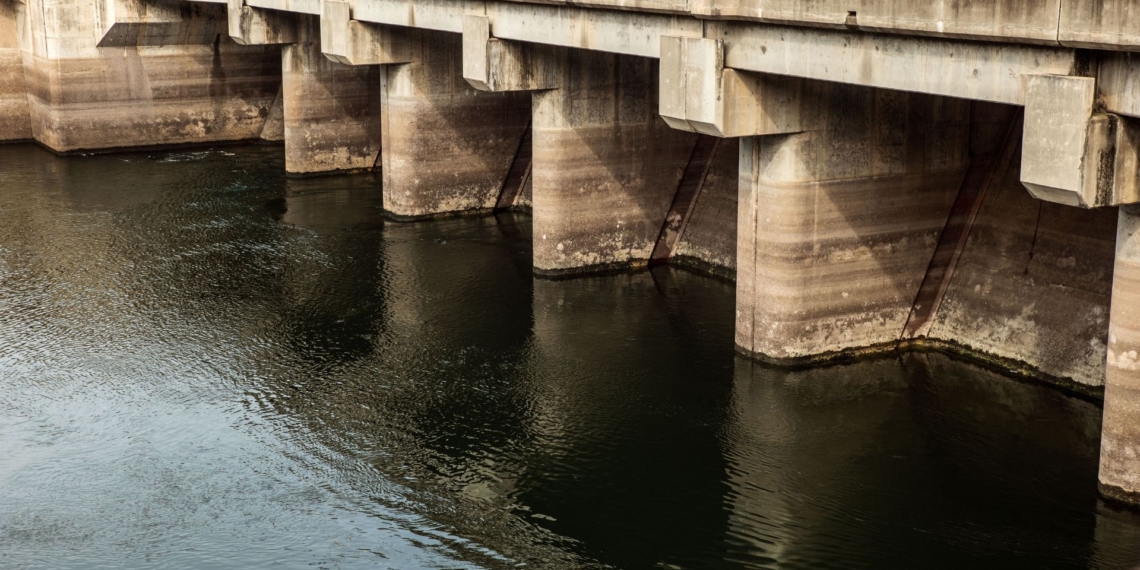
According to the department of water and sanitation, however, the current state of dam levels is very high, sitting at 95.5% nationally on 17 August. North West is leading with an average of 102.9% dam water levels, while the Western Cape, with 80.2%, has the lowest average water levels out of all nine provinces.
National dam levels a temporary buffer
WaterCan executive director Dr Ferial Adam said there is no need to panic because of the impending El Niño; however, that should not mean not putting plans in place in terms of continuous water supply for both agricultural usage and human consumption.
“South Africa is entering the El Niño period from a relatively strong position. As of 10 August 2026, and according to the department of water and sanitation, national dam storage was around 95%.
“Most provinces also currently have relatively healthy storage levels, although there are important differences between individual dams and catchments. That gives agriculture an important buffer, but high dam levels should not create a false sense of security,” she said.
Related stories
- Practical water-saving strategies every SA farmer can use now
- SA’s deepening water crisis threatens national food security
- Majodina calls for collective action to protect SA’s water resources
- SA grain farmers demand fair soybean price discovery at JSE
Adam said in their view, South African agriculture can possibly withstand an El Niño better, but depending on the severity of El Niño, the sector would need to be more cautious in the 2027 summer.
Furthermore, she explained the importance of water strategies, noting, “The first principle should be: do not wait for the dam to be empty before developing a drought plan. El Niño gives farmers an opportunity to prepare while water availability is still relatively good. It is also key that they develop better systems to use less water overall, with agriculture consuming about 62% of the country’s water resources.”
She also discussed practical plans farmers can use to prepare. “There are several practical steps farmers can begin implementing now, such as finding and eliminating water losses, improving irrigation scheduling and protecting groundwater rather than simply drilling deeper.”
Why SA farmers must build drought plans now
Meanwhile, Reggie Nkambule, a farmer from Villiers in the Free State, said, “El Niño is a natural phenomenon which none of us can dispute. However, data does show us that the impact will be manageable in certain parts of the country as it has been in the past.”
He further explained that his main source of water supply is rain-dependent and struggles due to not receiving assistance from the government.
“I am a farmer solely dependent on rainwater and God’s grace, like many of us in that part of the country. If drought hits, there is not much we can do; we just arrange with our ‘debt funders’ to carry the debt to the next season. There is nothing you can do about that,’’ he said.
Meanwhile, senior Agbiz economist Wandile Sihlobo said the 2025-26 summer season brought ample rains that improved soil moisture and the water levels in dams.
“Better water levels in dams will help in these irrigated areas. But the rainfed regions also will have a better start with improved soil moisture following the longer rainy summer seasons.
“Of course, these positive developments won’t necessarily save us from a drought, but they are, nonetheless, minor cushions compared to what we have recently witnessed in the last droughts,” he said.
READ NEXT: SAVC calls for tighter farm biosecurity before disease outbreaks