Wednesday, October 21, 2026
SUBSCRIBE
22 GLOBAL MEDIA AWARDS
Food For Mzansi
  • News
  • Changemakers
  • Lifestyle
  • Farmer’s Inside Track
  • Food for Thought
No Result
View All Result
  • News
  • Changemakers
  • Lifestyle
  • Farmer’s Inside Track
  • Food for Thought
No Result
View All Result
Food For Mzansi
No Result
View All Result
in News

Drowning craft beer industry pleads for support from state

by Duncan Masiwa
9th July 2020
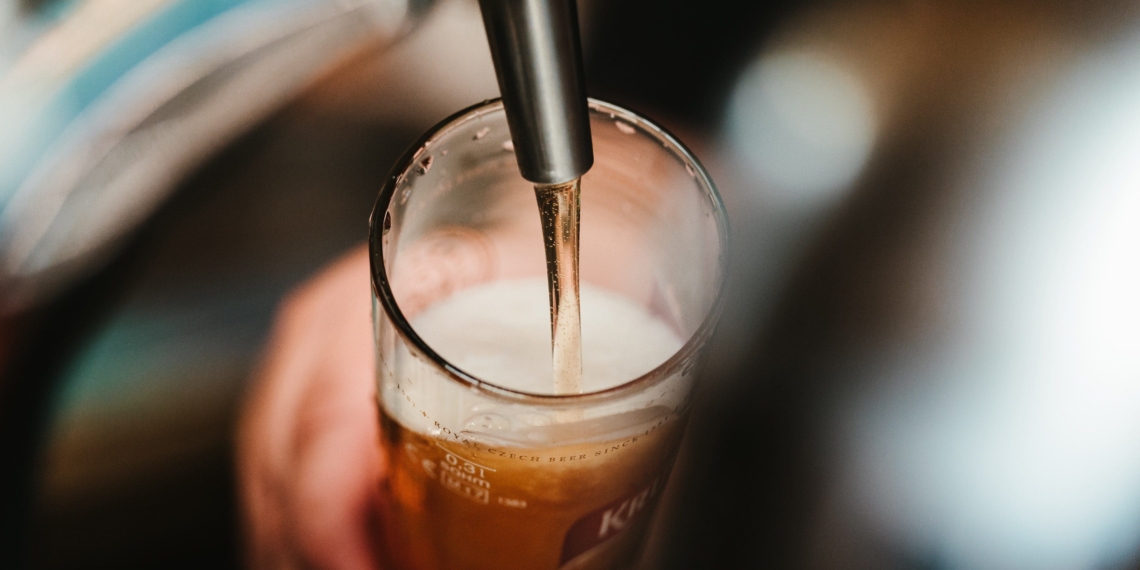
South African craft brewer survey reveals the devastating impact of lockdown on the industry. Photo: unsplash.

South African craft brewer industry survey reveals the devastating impact of lockdown on the industry.

Share on FacebookShare on TwitterShare on WhatsApp

Only 10% of South African craft brewers believe they will be able to continue trading in the near future if the current restrictions on the trade of alcohol and the prohibition of on consumption sales continue. Seven breweries closed down in June, retrenching all their staff.

Responses received from more than 100 breweries in a recent survey conducted by the Craft Brewers Association of South Africa (CBASA), shows that the industry suffered major blows resulting from covid-19 and the resulting economic lockdown.

The future of local craft beer is extremely volatile following a nine-week-long ban on the sale of alcohol and strict trading regulations. The industry has recorded alarming losses and has called on government to help give them a fighting chance of survival.

Read: EXCLUSIVE: Lockdown blow to craft beer industry

According to the survey seven breweries were forced to shut their doors permanently in June. More than half of the respondents indicated that their sales have decreased by between 60-100% since the start of lockdown, while 24% indicated that their sales dropped by between 90-100%. A bulk (87%) of the brewers says they are currently unable to meet monthly expenses.

Early in May, Food For Mzansi also reported on the forced closure of SA’s only malting company to offer a variety of specialty malts to beer brewers.

With rising concerns over how the industry will bounce back, some brewers have no expectation that they will survive the remaining days lockdown.

“We won’t make it. Rent and keeping the staff going with no sales means we won’t have the cash flow to buy ingredients to start up production again, unless we can get an investor to help us through,” one respondent states in the survey.

Wendy Pienaar of CBASA
Wendy Pienaar of CBASA.

Chairperson of the CBASA, Wendy Pienaar, is worried about craft beer and its uncertain future. She says government’s opening the industry more – specifically lifting the restrictions on on-consumption – will be the first step on the road to recovery for brewers. However, for some the damage is irreparable.

“Our sector already lost 15% of South African craft breweries and 68% of those still trading have a negative outlook for the sustainability of their businesses going forward,” she says.

Pienaar says the future of craft breweries in South Africa is extremely unpredictable and they are calling on the government to work with them give their sector a fighting chance of survival. She tells Food For Mzansi they just want to work with government to revive the industry.

“It needs to be a team effort, but at the moment our biggest problem is that government does not want to work with the industry,” she exclaims.

Pienaar’s says that 63% of craft breweries and brewpubs retrenched staff during May and June. Close to 70% of these businesses indicated that they retrenched more than 50% of their workforce. Eight breweries retrenched all their staff members.

Little covid-19 relief received

According to the survey the owners of 84 out of 109 breweries applied for government’s covid-19 temporary relief scheme. 16 of these applicants have been receiving pay-outs each month, while 33 only received a payment for May. 35 employers have not received any pay-outs to date for their employees.

A large number of brewers have reported difficulties and delays experienced when it comes to purchasing raw materials. Many suppliers have been struggling with the coronavirus shutdown that resulted in no production occurring during levels four and five. Backlogs at the ports and poor exchange rates have also impacted negatively.

The tough times have forced brewers to implement penny-pinching strategies in pursuit of saving their battling businesses. Some have moved to manufacturing of other products such as cleaning products, fruit juice and other non-alcoholic beverages. Others have changed to cheaper recipes for their products.

Another respondent voiced their frustration and said that the lockdown is a threat to their business. “Online only is not enough to sustain the business. We need some on-consumption sales channels that the whole market has evolved for.”

Desperate measures to stay afloat

The report further reveals that several brewers partnered up with other owners and some owners were forced to find second jobs to supplement their income.

Despite the industry spiralling down to a seemingly bleak future, 77% of breweries have been able to fairly easily implement covid-19 health protocols at their businesses, the report finds.

A major concern is that only 10% of brewers believed that they would be able to continue trading in the near future if the current restrictions on the trade of alcohol and the prohibition of on consumption sales continue.

Patricia Pillay, CEO of the Beer Association of South Africa. Photo: twitter
Patricia Pillay, CEO of the Beer Association of South Africa.

The CEO of the Beer Association of South Africa, Patricia Pillay, says the craft brewing sector is vital to the long-term sustainability of the South African beer industry. The craft brewing sector supports thousands of livelihoods and contributes to an increasingly transformed industry, she says.

“We have seen remarkable growth in the craft brewer sector over the past few years, so it is extremely concerning to see the devastating impact covid-19 and the lockdown has had on this vibrant industry.

“The BASA remains committed to working with government to come up with joint solutions to ensure the safety of communities, while protecting the thousands of livelihoods and small businesses the beer industry supports,” Pillay commented in the survey.

READ: Craft beer industry anxiously awaits AB InBev decision on malt supply
Duncan Masiwa

DUNCAN MASIWA is the assistant editor at Food For Mzansi, South Africa’s leading digital agriculture news publication. He cut his teeth in community newspapers, writing columns for Helderberg Gazette, a Media24 publication. Today, he leads a team of journalists who strive to set the agricultural news agenda. Besides being a journalist, he is also a television presenter, podcaster and performance poet who has shared stages with leading gospel artists.

Tags: Alcohol banalcohol salesban on alcoholbeerBeer Association of South AfricaCBASACraft BeerCraft Brewers Association of South AfricaLockdownPatricia PillayWendy Pienaar
This week’s agri events: 19 – 23 October
News

This week’s agri events: 19 – 23 October

by Tiisetso Manoko
19th October 2026

There is a lot happening in the final months of 2026! Get all the information on the Villiersdorp Show, livestock...

Read moreDetails

Stop the rot: Four steps to slash post-harvest losses

18th October 2026
A standing ovation for agriculture’s incredible talent! The Agri’s Got Talent 2026 top three celebrate their achievements: winner Honey Katoo of Endulini Fruit in Patensie, alongside runner-up Clareece Vlotman of Wolfpack in Wolseley and finalist Lwandile Nantsi of Laastedrift in Ceres. Photo: Supplied/Food For Mzansi

Patensie claims Agri’s Got Talent crown for second year running

17th October 2026
The panellists at FNB Business’s “Farming together” discussion at the Royal Show explored how market access, mentorship, financial discipline and strong commercial relationships can help farmers build sustainable businesses. Featured from the left are Bertram July (FNB’s distribution sales lead), commercial farmer Shakes Shabalala; Sandy Gumede (co-founder of Zulu Girl Wines), and Janis Robson (FNB’s head of development and SME business development). Photo: Food For Mzansi

FNB puts relationships at the heart of commercial farming

17th October 2026
Agri Skills Transfer students gain hands-on experience at the institution’s Cullinan Farm Training Centre, where agricultural theory meets the realities of commercial production. Photo: Supplied/Food For Mzansi

Build your future in agriculture with Agri Skills Transfer

17th October 2026

Becoming bankable: How to get your farm ready for finance

Stronger rural policing needed to protect lives and livelihoods

CPAs urged to register for free governance support toolkits

Land Bank must step up support for farmers, says Aucamp

Cutting-edge crop solutions take centre stage at the SADC Plant Nutrition Symposium

Join Food For Mzansi's WhatsApp channel for the latest updates!

JOIN NOW!
Next Post

Liewe Lulu: Is there a proposal on the horizon?

THE NEW FACE OF SOUTH AFRICAN AGRICULTURE

With 21 global awards in the first six years of its existence, Food For Mzansi is much more than an agriculture publication. It is a movement, unashamedly saluting the unsung heroes of South African agriculture. We believe in the power of agriculture to promote nation building and social cohesion by telling stories that are often overlooked by broader society.

CPAs urged to register for free governance support toolkits

Potatoes and tomatoes plunge while avocado prices soar

Becoming bankable: How to get your farm ready for finance

Fixing SA’s agricultural visa system to protect seasonal harvests

SA and Namibia reevaluate livestock trade after FMD outbreak

Agda conference to tackle finance, market access and agri growth

  • Awards & Global Impact
  • Our Story
  • Contact Us
  • Cookie Policy
  • Privacy Policy
  • Copyright

Contact us
Office: +27 21 879 1824
News: info@foodformzansi.co.za
Advertising: sales@foodformzansi.co.za

Contact us
Office: +27 21 879 1824
News: info@foodformzansi.co.za
Advertising: sales@foodformzansi.co.za

  • Awards & Global Impact
  • Our Story
  • Contact Us
  • Cookie Policy
  • Privacy Policy
  • Copyright

Chat Options

About this assistant

This feature generates automated answers summarised from Food For Mzansi articles. By using it, you are interacting with an AI system (provided by Google), not a human. AI can make mistakes. Please refer to the source articles for verification and citation purposes.

Our staff do not check or moderate Lerato’s answers in advance, but may review some later. Our journalists continue to write and edit all the articles Lerato uses as sources.

To estimate unique and returning web users, we store a random browser ID in this browser. WhatsApp users are counted by phone number. The same person using both channels may be counted twice.

I'm Lerato, your AI assistant!
No Result
View All Result
  • News
  • Changemakers
  • Lifestyle
  • Farmer’s Inside Track
  • Food for Thought

Copyright © 2026 Food for Mzansi