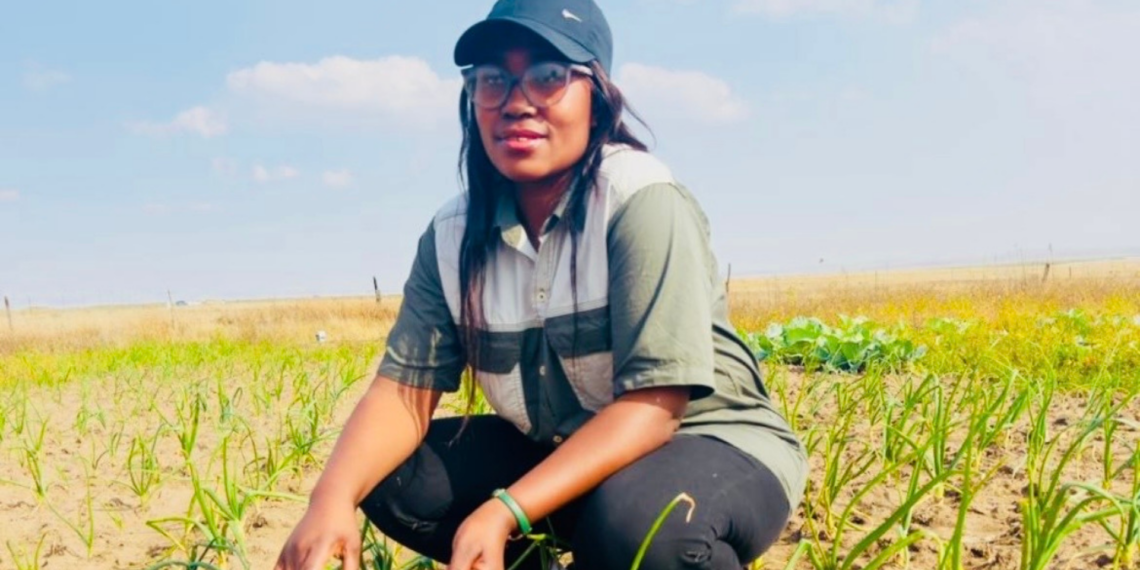
Driven by an inherited connection to the land and a determination to solve operational challenges, Unicha Busisiwe Dladla, the founder and managing director of Magalela Enterprises, is carving out her path in modern South African farming.
Dladla grew up in the small town of Amersfoort, Mpumalanga. Although her family was involved in commercial farming, primarily growing maize and soya beans, her personal introduction to crop care began at home.
Her mother, Lizzy Dladla, maintained a backyard vegetable garden where Dladla assisted regularly. “That experience gave me an early connection with agriculture,” Dladla recalls.
She completed her primary education at De Emigratie Primary School before attending Hlelimfundo Combined School. After high school, Dladla expanded her knowledge base beyond the farm, studying business management through Oxbridge Academy before acquiring technical qualifications in rigging from ABS Academy.
In 2013, she entered the construction industry as a rigger, stepping away from full-time farming while maintaining her business ambitions.
“Although I came from a family with a commercial farming background, where maize and soya beans were planted, my own farming journey only started later in life,” she explains.
Related stories
- Sinalo ditched his engineering degree to farm, and it paid off
- BenicaTheFarmer: The nurse who built an agricultural empire
- Unstoppable: Double-amputee farmer sets sights on commercial success
- 5 000 to 100 000 cabbages: EC co-op gamble pays off
Taking chances pays off
The definitive pivot towards agriculture came when Dladla registered Magalela Enterprises, a name derived from her family surname, paired with the slogan “Cultivating a lasting legacy”.
While the enterprise was registered in 2022, her operational journey accelerated in 2024 after she spotted a notice for the Seriti Green agricultural bootcamp. She applied, was accepted, and used the platform to refine and present her farming concept.
“During the bootcamp, I developed and pitched my farming idea, and that opportunity gave me the confidence to take farming seriously,” Dladla notes.
Following a successful pitch, Dladla secured initial funding to establish essential infrastructure, including shade netting, fencing, and core farming implements. She began cultivation on a small piece of leased land, planting potatoes and onions.
Despite immediate water access challenges, she harvested her first yield and sold the produce directly to local street vendors and kota shops.
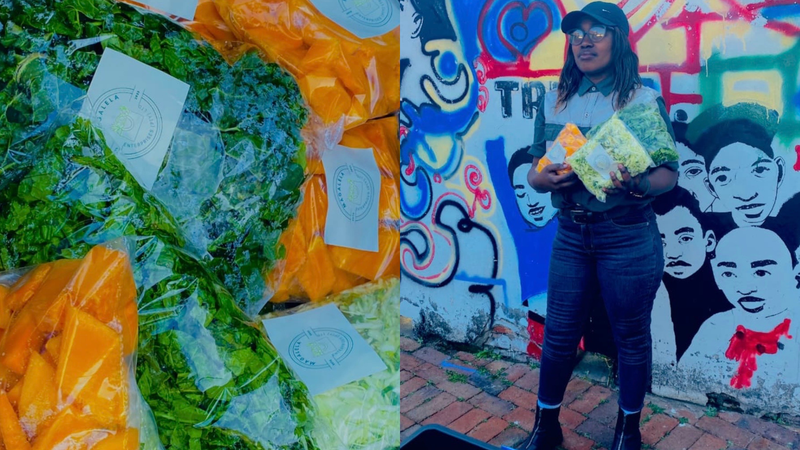
Seeking long-term stability, Dladla subsequently secured two hectares of municipal land in Bethal, where Magalela Enterprises operates today.
“I have also received ongoing support from the Seriti Institute, including onion seedlings, assistance with land preparation, and agricultural education. This support has helped me develop both practically and academically as a farmer.”
Strategic crop selection and operational growth
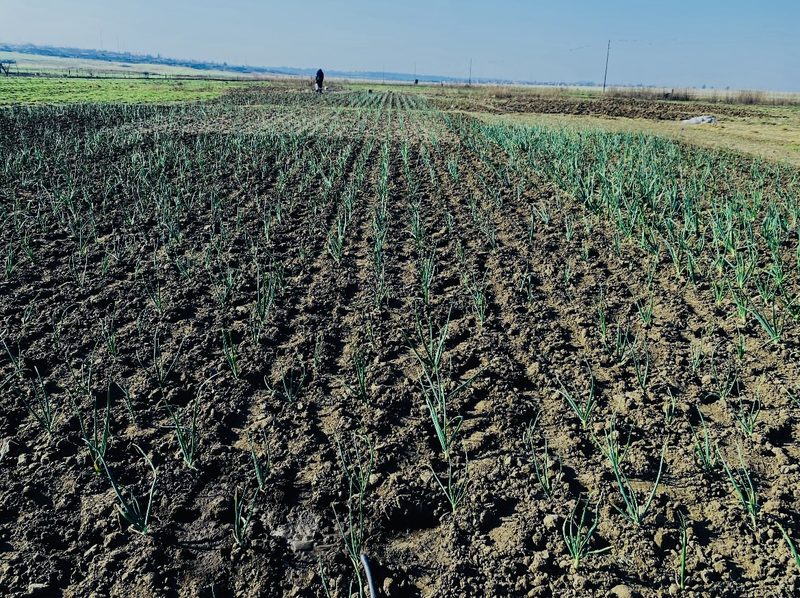
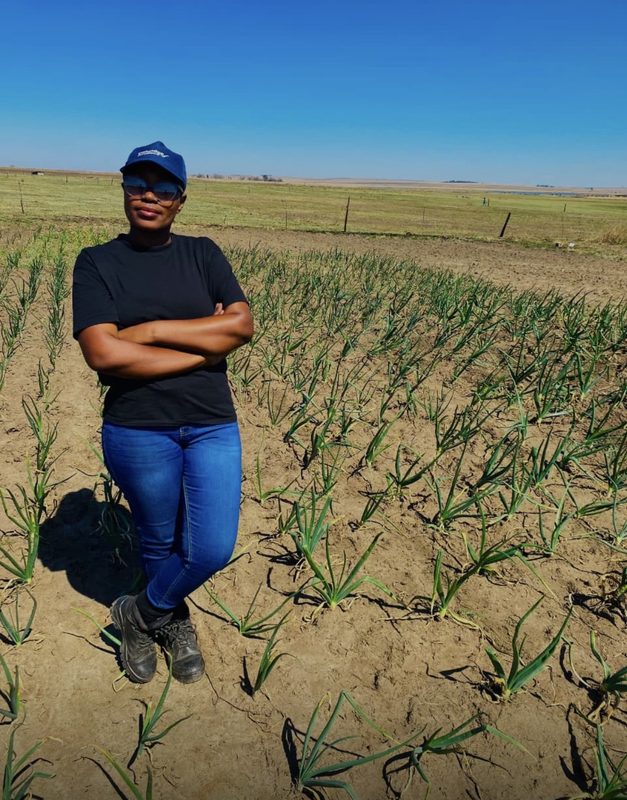
Currently, Magalela Enterprises focuses on producing onions, beetroot, green peppers, and chillies on its two-hectare footprint, with two part-time employees assisting with daily field operations.
Dladla has been deliberate in selecting her primary crop based on market demand rather than quick turnarounds.
“Onions are one of the crops I am focusing on because there is an opportunity in the market. Many people may overlook onions because they take longer to mature, but I see that as an opportunity because there is a demand for them,” she explains.
Her progress has attracted high-level recognition, including farm visits from the Seriti CEO and the minister of electricity, milestones that validated the business’s growing footprint.
Simultaneously, Dladla continues her technical training. She is pursuing her NQF Level 4 qualification in plant production and is participating in a three-year programme with the Agriculture Academy aimed at transitioning her enterprise into a commercially viable operation.
Overcoming hurdles through resourcefulness
However, operating an emerging farm comes with distinct operational pressures, particularly around mechanisation and logistics.
“One of my main challenges is land preparation. Hiring a tractor can be very expensive, so at times I have to hire people to assist with preparing the land,” Dladla shares. Transport presents another hurdle, requiring her to hire delivery vehicles to reach buyers.
“These challenges can be difficult, but they have also taught me to find alternative solutions and to keep moving forward with the resources I have.”
Scaling for future impact
Looking ahead, Dladla’s roadmap for Magalela Enterprises involves expanding vegetable output, establishing formal off-take agreements, and entering larger commercial supply chains.
Her long-term expansion plans include seed production, hydroponic systems, and value-addition through agro-processing, specifically onion processing.
“Most importantly, I want to create employment, contribute towards food security, and build a business that can create a lasting legacy for future generations,” she says.
For aspiring agriculturalists, Dladla stresses action over waiting for ideal conditions.
“Start where you are and use what you have. You do not need to have everything from the beginning. Start small, learn as much as you can, take advantage of opportunities, and do not be afraid to ask for help. Agriculture is a business, so you must treat it seriously, understand your market, and continue learning.”
READ NEXT: Meyer: Agriculture needs a government that moves faster