Hemp farmer, Thabo Madliwa from Komga in the Eastern Cape, believes it is important to realise that it is okay to have failed or not completed anything in life. He also believes that it is important to pass on your expertise to your loved ones, so that someone else can continue building your farming legacy.
He says family farming businesses are established on sacrifice, sweat, and tears, and that their success requires a great deal of effort and dedication.
Madliwa developed into the man he is now as a result of his upbringing in East London, he says. He was born in Mdantsane, moved to Summerpride, and then to Cove Ridge, where he met people from diverse backgrounds who let him comprehend life as it should be lived.

His late grandmother, Nokhaya Madliwa, and his mother, Thami Madliwa, were crop farmers when they ultimately moved to Cove Ridge. They grew carrots, beetroot, tomatoes, spinach, and peppers, among other crops.
“We were also instructed to contribute to the fields. We would contribute by ensuring that the drums contain water. Even when it was time to pull weeds, we were there getting our hands dirty.”
Initially, they were cultivating for sustainability, says Madliwa. Later on, though, their parents instructed him and his siblings to sell veggies to drivers on the streets and highways.
Their lives became more interesting after realising they could profit from it, he adds.
Shake it off and keep moving!
Madliwa pursued a bachelor’s degree in psychology at Nelson Mandela Metropolitan University after completing high school. However, owing to financial difficulties, he dropped out in his third year.
“My family farm, Endalweni Trading, remained profitable. My mother and brother, Sivuyile, have always been there, ensuring that everything runs well. I returned home, engaged in family farming, and continued living.”

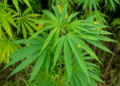
Gogo Nokhaya became ill and was diagnosed with hypertension, arthritis, and diabetes. Madliwa says that in his research he found that, since they are chronic illnesses, hemp would help her a lot to control them. In 2019, Madliwa began cultivating hemp on 2 000 square metres of land.
“I cultivate hemp, which is cannabis with no psychotropic properties. As much as I expand it via my family enterprise, I am responsible for its maintenance.”
Madliwa says that cannabis did wonders for his grandmother’s illnesses. So, other people in his community also benefitted from it.
He emphasises that growing hemp is quite challenging, and he uses greenhouses to grow his crops. It is costly to maintain them, and electricity is the biggest nightmare.
Building a family business
Endalweni Trading also produces tomatoes and green beans, and their produce is distributed to agro-processing companies, including Proveg, Living Harvest, and Vegworx.
“Farming has become a way of life for me. I like the fact that I make and consume fresh food, as well as grow medicinal herbs.”
With hemp, Madliwa has made hemp body lotion, which is beneficial for sore muscles and joints, as well as hemp tea and capsules.
Getting a permit to grow hemp is very hard to come by, but his business was granted a permit in 2019. Whoever wants to establish a hemp company must be aware that it will be difficult and requires patience, he advises.
A positive aspect of farming, according to Madliwa, is that there is always a plan B if your product does not make it to market.
“One must always examine agricultural processing methods. It takes time to understand these concepts, but the effort is worthwhile,” he says.
He is also studying in order to expand his hemp enterprise and would like to distribute his products globally someday. Especially for the majority of chronically ailing elderly patients, Madliwa says.
ALSO READ: Poultry farming is just one of Poppy’s passions
Get Stories of Change: Inspirational stories from the people that feed Mzansi.