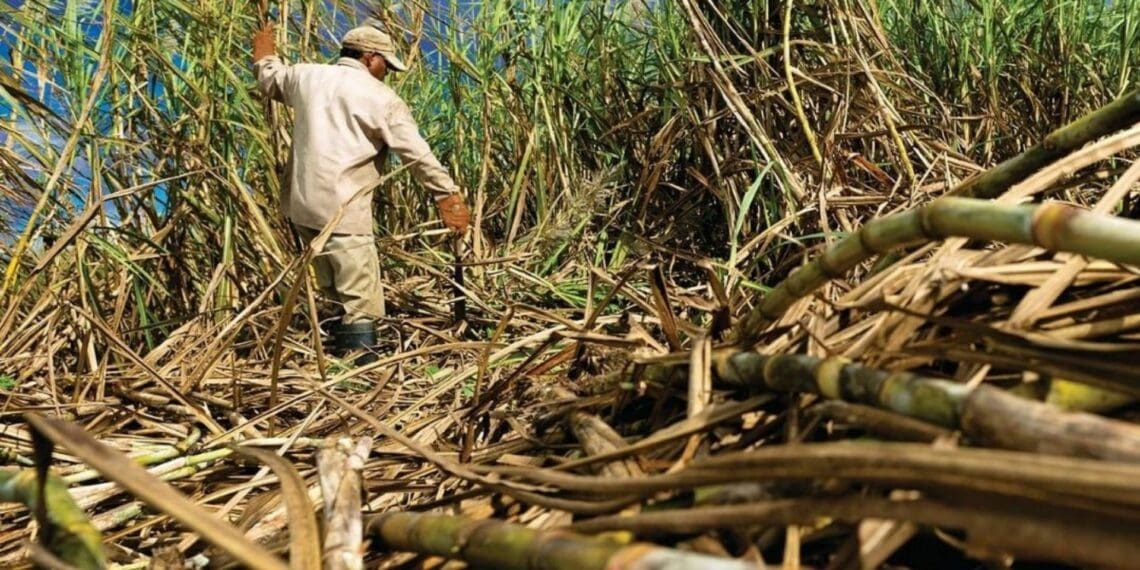
Communities in which sugarcane is grown and sugar mills operate will suffer the most if the government proceeds with its plans to increase the health promotion levy (HPL).
South Africa’s sugar industry is in deep trouble with the threat of further increases to the government’s sugar tax looming.
The industry has reported substantial job and production losses since the introduction of HPL in April 2018, and experts predict the worst is likely yet to come.
Demand for sugar likely to decline
According to Sandy Jackson, the Bureau for Food and Agricultural Policy’s (BFAP) agri-socio economics specialist, the sugar industry is at risk for a rapid decline in the demand for sugar in the event of any increases to the HPL.
“Two mills have already closed due to the decline in the demand for sugar that has been experienced with the introduction of the health promotion levy. There’s no doubt that any changes to the levy will have significant adverse effects on the milling sector,” Jackson said during a recent media briefing hosted by the South African Sugar Association (Sasa).
BFAP compiled a report on the potential impact of an increase in the current level of the HPL.
According to BFAP any increase will put significant pressures on sugar mills and refineries. But the impact will be far worse for communities in which the mills operate, and sugarcane farmers.
“It is likely that this kind of reduction in demand will put increased pressure on the operation of mills.
“We certainly run a risk of additional mills coming under pressure from an operational perspective, and the closure of mills and refining capacity could put up to 1000 factory jobs at risk,” Jackson said.
Jobs and livelihoods on the line
BFAP’s report also revealed that up to 6 000 jobs, a mixture of seasonal and permanent workers at a large-scale operation, are at risk.
Close to 3 000 small-scale growers could potentially go out of business due to reduced profitability of cane production in a market under such pressure.
“In the current reality, there’s not a lot of alternatives in a lot of the rural areas where cane is grown,
“A lot of households in these rural areas, dependent on sugarcane, are already sitting below the upper poverty line, which means they don’t have adequate income to be both food secure and non-food item secure,” Jackson said.
Devastating losses
Trix Trikam, executive director of Sasa, said since the introduction of the HPL, the sugar industry has lost approximately R4.8 billion in revenue.
According to National Treasury, when the tax increased in April 2019, within nine months it raised R2.3 billion, which was from import duties, and the rest was raised domestically.
“The damages to the sugar industry have been catastrophic. An estimated 16 000 direct jobs were jeopardised, impacting some 90 000 people’s livelihoods,” Trikam said.
Households that are solely dependent on sugar for income, are in trouble, Trikam predicted.

Jackson pointed out that any loss of additional income is a crisis. If this is not addressed proactively and managed effectively, the industry will experience an accelerated decline.
“[This means the] long-lasting impact on the livelihoods of communities that are dependent on the sugarcane.
“It’s not just a loss of jobs, but the impact of the loss of income at a household level and how it affects the food affordability, food security and the poverty incidences in the region,” Jackson said.
Trikam added that Sasa’s request to the government is simple: show commitment to the industry and the network of people and communities it supports.
ALSO READ: Climate change: Cape Winelands under the gun
Sign up for Mzansi Today: Your daily take on the news and happenings from the agriculture value chain.