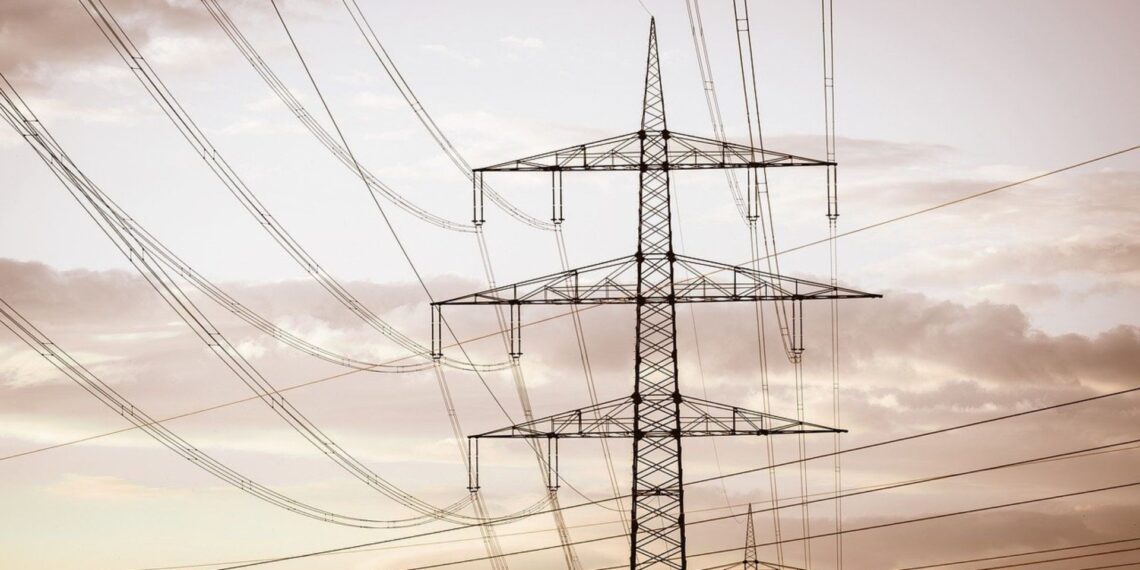
South African businesses are bracing for yet another electricity tariff increase as Eskom prepares to implement a 12.74% hike, approved by the National Energy Regulator of South Africa (Nersa), from 1 April 2025.
Over the past three years, farmers have seen electricity costs go up by 26.09%. This increase is expected to place a heavy financial burden on businesses, particularly those in energy-intensive sectors such as agriculture.
According to Naeem Sheikh, a representative from NeoSun Energy, the tariff hike will significantly strain businesses, impacting profitability and operational stability.
“For businesses, this means that higher operating costs can affect profitability. In addition, it also means that instability of power supply may affect operations, leading to deficiencies and higher costs to manage power disruptions, especially if a business invests in unsustainable backup solutions such as diesel generators and the like.
“To give an example of this increase, if a business is paying on average R100 000 a month for electricity, as of the 1st of April 2025, a business will now pay R112 740. Annually, this increase translates to R152 000 a year,” he said.

Photo: Food for Mzansi
With Eskom approved for further tariff increases over the next three years, businesses must prepare for continued cost escalations. The unpredictability of electricity pricing complicates budgeting and long-term planning, making cash flow management increasingly difficult.
Agriculture among the hardest hit
Agribusinesses, particularly those reliant on consistent power for irrigation and temperature control, are expected to feel the brunt of the increase. Kamogelo Thobejane, a Limpopo-based poultry farmer, expressed deep concern over the rising costs, particularly regarding his ability to maintain adequate heating for his poultry during winter.
“There are other alternatives, but the thing with those alternatives is some of them are expensive. You can use gas heat, but it is expensive. You can use coal. The only thing that is not expensive is wood. I often use wood. You can use wood during the day, then during the evenings, you turn your infrared lights on in order to save money,” Thobejane said.
Related stories
- Farmers feel the heat of Eskom tariff increase
- Ports, energy, and trade: Agri leaders react to Sona 2025
The search for alternative energy sources has already led to a decline in Eskom’s agricultural client base. Dr Jack Armour, commercial manager of Free State Agriculture, noted that between 2011 and 2023, the number of agricultural clients dropped from 85 000 to 75 000.
“All this is just enough frustration to drive a farmer to use alternative energy and not be reliant on Eskom. But the reality is, for an irrigation farmer that’s a high-power user, the cost of a system is just exorbitant and is forced to rely on Eskom,” Armour said.
Regulatory barriers to alternative energy
While the transition to renewable energy may seem like the logical solution, regulatory hurdles add another layer of complexity. Anton Coetzee, a former Eskom employee with 26 years of experience in customer service, highlighted the challenges farmers face when attempting to integrate solar energy into their operations.
He explained that many farmers install solar without first obtaining Eskom approval, which can lead to costly modifications if their grid-tie application is denied.
“It’s very important that people first try and obtain approval from Eskom. There is a cost towards that from Eskom which people also need to be aware of,” Coetzee warned.
READ NEXT: Compliance costs hinder growth of SA’s essential oil industry
Sign up for Mzansi Today: Your daily take on the news and happenings from the agriculture value chain.