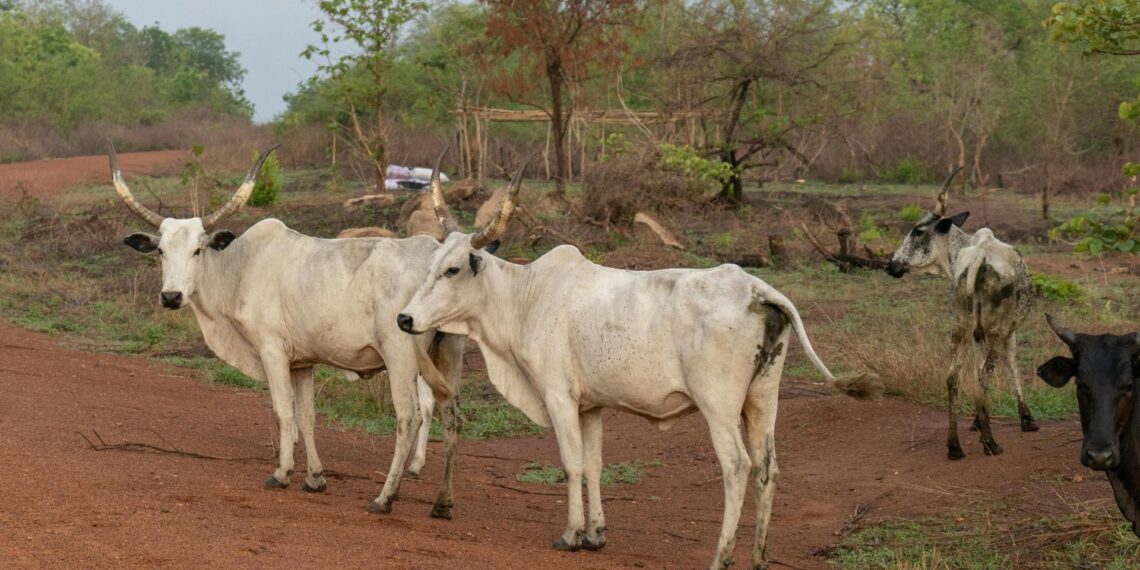
Farmers have been encouraged to use circular nutrient systems as they promote biodiversity and help maintain healthy ecosystems. Integrating livestock with crop production can support natural pest control and pollination.
This was discussed during the recent Red Meat Industry Services (RMIS) webinar with the key intention of helping farmers navigate cattle farming operations.
Livestock technical advisor from RMIS, Ernest Makua, emphasised the importance of sustainability and profitability in cattle farming through nutrient cycling practices.
A sustainable solution
Makua’s presentation aimed to provide a deeper understanding of secularity in agriculture and how it can be scaled in South Africa. This promotes both environmental and economic benefits.
“Our focus is also to ensure that we explore the practical potential methods for implementing nutrient circulation to attain environmental and economic benefits that come with the implementation of the secularity of nutrients in cattle enterprises,” he explained.
Farmers were introduced to the concept of circularity in agriculture, which, in simple terms, refers to nutrient recycling within a farming system.
“The manure plays a key role in crop production by providing the essential nutrients such as nitrogen, phosphorus, and potassium.
“These nutrients are crucial for maintaining productive pastures, helping to save farmers from spending on chemical fertilisers,” Makua said.
Related stories
- Advancing herd quality: Bonsmara SA and RMIS forge path amid livestock challenges
- Balancing act: RMIS CEO explores red meat export dynamics
- Serapelwane’s steps for success for upcoming cattle farmers
Using manure for fertilising
Makua stressed the importance of utilising the resources already available on the farm.
“Farmers can implement this cycling of nutrients in manure for production, just also to improve in terms of buying chemical fertilisers from the cooperatives,
“The cattle will produce the manure, which is the faeces or the dung, and also produce the urine. The manure normally has nutrients that are very important for the growth of pasture, which is the nitrogen, phosphorus, and potassium,” he said.
He encouraged farmers to use alternative feed ingredients like crop residues, cover crops, and by-products from their farming systems. This is a form of mixed crop-livestock farming, where cattle graze on the remains of harvested crops, contributing to nutrient cycling.
ALSO READ: Effective crop protection strategies to take your farm forward
Sign up for Mzansi Today: Your daily take on the news and happenings from the agriculture value chain